News
GTA 6 has not massacred video game sales this year as everything sells well
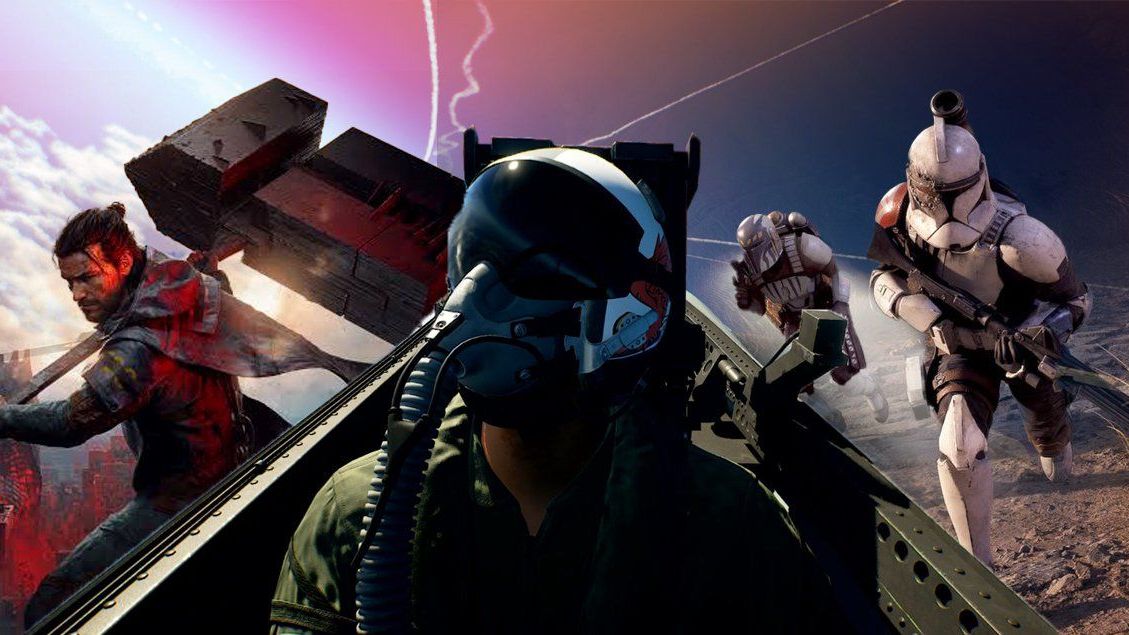
The latest release calendar has turned into a crowded marketplace, yet the headline that “GTA 6 has not massacred video‑game sales this year as everything sells well” is a reminder that a blockbuster title can coexist with a thriving ecosystem of smaller hits. For the developers who pushed their games past the pandemic‑era slumpRemedy, Bandai Namco, EA, and even indie studiosthis means that the industry is still resilient, and that a single mega‑release does not automatically drown out the rest of the market.
When Rockstar announced the final delay of GTA 6 to 19 November, speculation ran rampant that the title would eclipse every other release and crush sales charts. Instead, the months of September and October have proven to be the most densely packed in recent memory, yet no single competitor has suffered a measurable downturn. Remedy’s Control Resonant surpassed one million sales, beating Alan Wake 2 as the fastest‑selling game in the studio’s history. This milestone is not a fluke; it is the new minimum benchmark for a title to be considered a hit. Other titlesOnimusha: Way Of The Sword, Ace Combat 8: Wings Of Theve, Star Wars Zero Company, and The Blood Of Dawnwalkerall reached the same milestone in record time. The sheer volume of successful launches signals that gamers are still hungry for variety, not just the biggest franchise.
The data from Alinea Analytics paints a picture of a balanced marketplace. Marvel’s Wolverine sold over two million copies, a solid figure for a title that was not marketed as a blockbuster. Sony’s first‑party expectation was higher, yet the launch still delivered a respectable figure, suggesting that even established brands cannot rely on brand alone to guarantee outsized sales. Meanwhile, Star Wars: Galactic Racer consistently outperformed EA Sports FC 27 on Steam’s weekly top‑seller list, proving that niche genres can outperform mainstream sports titles when they hit the right cultural moment. In Japan, Fire Emblem: Fortune’s Weave has been a runaway success, while Halloween: The Game is estimated to have sold over one million copies across all platforms, further evidence that seasonal and genre‑specific titles can thrive even in a crowded market.
Not all titles have benefited from the packed calendar. Silent Hill: Townfall remains a mystery; Konami has yet to publish sales data, and the game did not appear to make much impact on Steam or console stores. Gears Of War: E-Day’s success is difficult to gauge within the context of Xbox G, leaving fans and analysts alike in limbo. These outliers remind us that a saturated release window can also create a “blizzard” effect, where certain games fail to find their audience despite a strong franchise pedigree.
If this pattern continues, I predict that the next wave of releases in early 2027 will see a shift toward “micro‑blockbusters”games that combine a strong brand with a lean, focused development team. These titles will dominate niche markets while still achieving the one‑million‑sales benchmark, redefining what it means to be a hit in the modern gaming economy.
The industry’s resilience is clear: despite the looming presence of GTA 6, the market is still vibrant. Developers who understand that a blockbuster is not a zero‑sum game will continue to thrive, and gamers will keep their wallets open for the next wave of compelling experiences.


