News
Here Are All of Max Martin's Record-Setting Hot 100 No. 1s as a Producer
The first note of Taylor Swift’s “Patient Zero” rang out across the airwaves on the October 10, 2026‑dated Hot 100, a moment that felt like a quiet thunderclap in a crowded stadium.
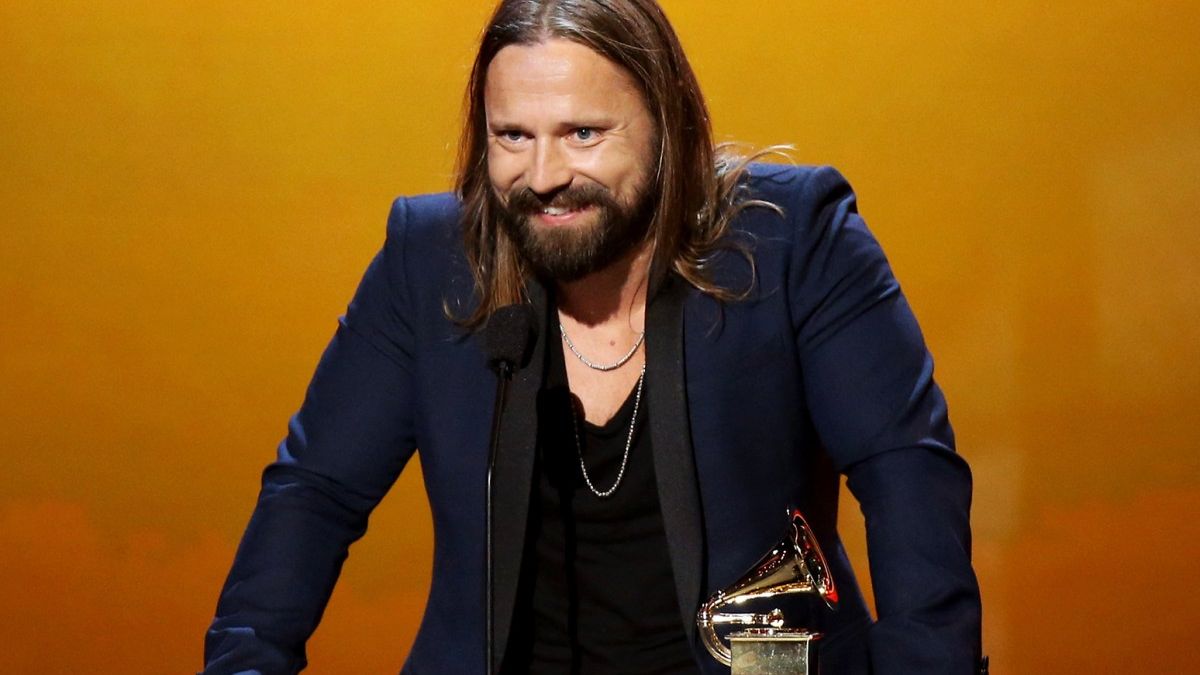
The first note of Taylor Swift’s “Patient Zero” rang out across the airwaves on the October 10, 2026‑dated Hot 100, a moment that felt like a quiet thunderclap in a crowded stadium. The song slid into the top spot without a single day of climb, and with it, Max Martin added a 29th producer‑led No. 1 to his résumé. The Swedish maestro, whose real name is Karl Martin Sandberg, had already been a quiet force behind the charts for decades, but that night the numbers confirmed what many had suspected: he is the most successful producer in Hot 100 history.
Martin’s first taste of chart domination came in 1995, when the Backstreet Boys’ “We’ve Got It Goin’ On” debuted at No. 97. Two years later, the same duo’s “Quit Playing Games (With My Heart)” and Robyn’s “Do You Know (What It Takes)” both cracked the top 10 on the July 12, 1997 chart. These early successes hinted at a prodigy who could write and produce hits that resonated across pop’s shifting landscape. The breakthrough that cemented his dual role came with Britney Spears’ “…Baby One More Time,” which topped the Hot 100 on January 30, 1999. From that point, Martin’s fingerprints appeared on every major pop track that followed.
When Ariana Grande’s “Yes, And?” climbed to No. 1 in January 2024, Martin’s tally reached 24 as a producer, eclipsing the late George Martinthe Beatles’ legendary producer who had 19 of their 20 No. 1s. That moment was not just a numerical win; it was a cultural pivot, showing that a Swedish producer could outpace the man who once called the Beatles “the most popular band in the world.” The comparison underscores how Martin’s style, rooted in melody and adaptability, has become a global standard.
Martin’s influence extends beyond production. With 31 Hot 100 No. 1s as a writer, he sits just behind Paul McCartney’s 32. “Patient Zero” marked his latest writing triumph, and the song’s success highlighted how Martin’s lyrical craft remains as sharp as his production skills. His catalog includes everything from the early 2000s pop anthems to the 2020s trap‑infused hits, demonstrating a remarkable ability to evolve with musical trends without losing his signature melodic core.
Among Martin’s most celebrated collaborations is the Weeknd’s “Blinding Lights,” which earned a spot on the Hot 100’s Greatest of All Time Songs retrospective. The track’s blend of 80s synth‑pop nostalgia and contemporary production showcases Martin’s knack for bridging eras. It also illustrates his willingness to experimentadding trap elements in the late 2010s while keeping the song’s hook irresistibly catchy.
Dave Penn, cofounder of Hit Songs Deconstructed, once remarked that Martin’s longevity stems from his attunement to cultural shifts. A decade ago, he favored club‑by‑club dance beats and EDM‑styled synths. By the end of the 2010s, he had embraced hip‑hop and trap beats, yet the core of his workmelodyremained unchanged. Penn’s observation resonates with the fact that Martin’s catalog is a living archive of pop’s evolution, each track a snapshot of its era while still sounding fresh.
As a writer, I see Martin’s career as a masterclass in adaptability. He has not merely kept pace with changing tastes; he has helped shape them. His ability to stay relevant for over two decades speaks to a deep understanding of what makes a song stick in listeners’ minds.
Looking ahead, the next chapter of Martin’s legacy will likely involve mentoring the next generation of pop architects. Whether he continues to write for the biggest names or steps back to let fresh voices rise, his influence will linger in every hook that follows. The October 10, 2026 chart may have closed with “Patient Zero” at the top, but the story of Max Martin is far from finished.


