News
If this is the best year for Star Wars games it's not for the reason you think: Reader's Feature
Star Wars fans have been busy this year, but the real win isn’t the flashy titles dropping on consoles.
Star Wars fans have been busy this year, but the real win isn’t the flashy titles dropping on consoles. It’s the low‑budget, community‑driven projects that are keeping the franchise alive and breathing. When a droid spends 2026 pressure‑washing the Millennium Falcon, or a squad of soldiers scrambles to survive the Clone Wars, it’s the small, nimble games that are turning the galaxy into a living, breathing playground.
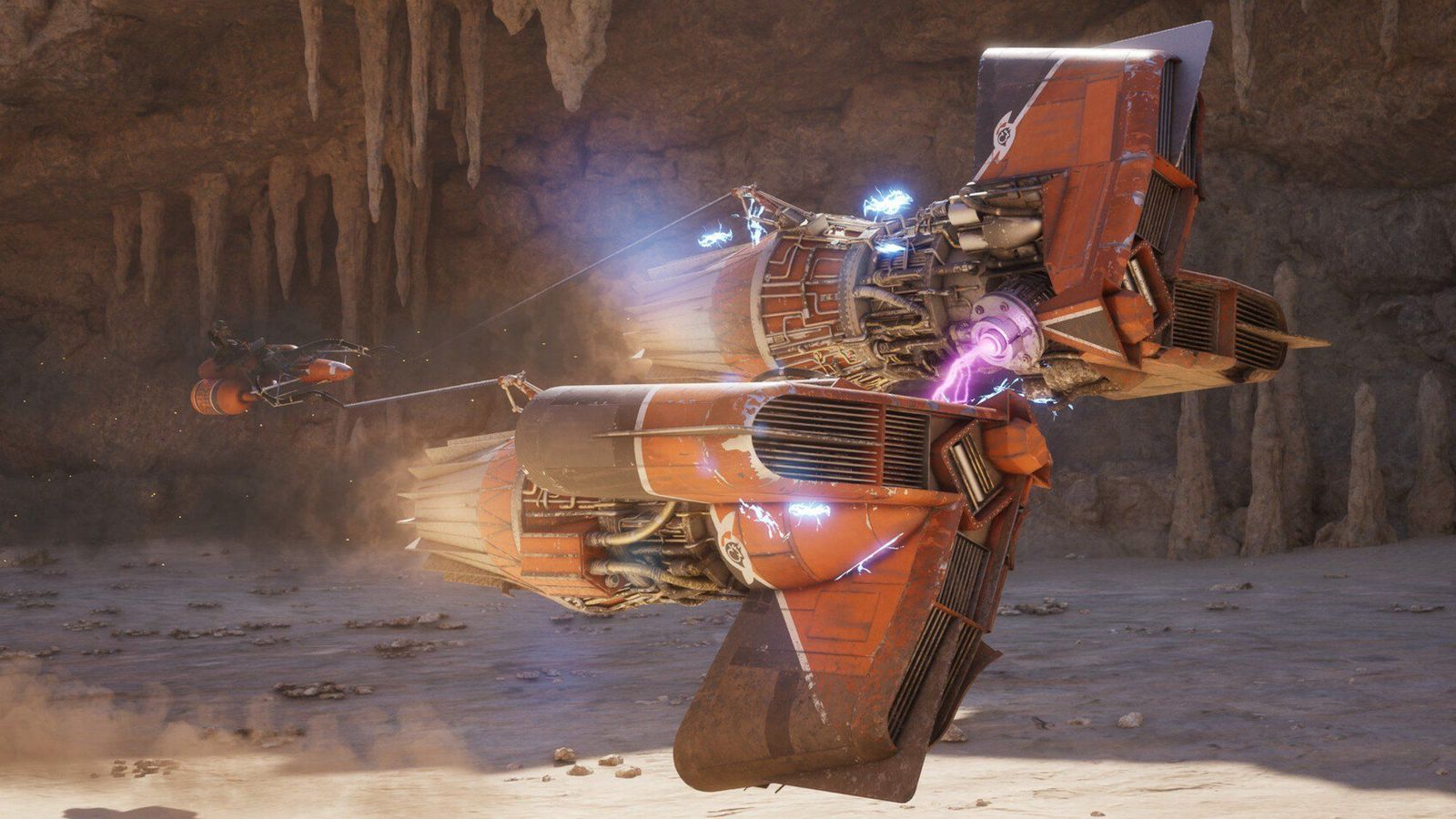
The 2026 catalogue shows a surprising shift. Classic big‑budget releases like Knights of the Old Republic or Lego Star Wars are still remembered, but this year’s hits come from titles such as Zero Company and Galactic Racer. Zero Company reframes the Clone Wars as a tactical squad game, making each squadmate a distinct character rather than a generic health bar. That level of detail was once the preserve of major studios, yet indie developers have managed it with precision. Galactic Racer reminds players that speed can be a double‑edged sword, delivering a chaotic but rewarding experience that feels fresh even to veterans.
If you think the franchise is all about lightsabers and blasters, think again. The PowerWash Simulator 2 expansion that hit in July let players scrub the Mos Eisley Cantina and an AT‑AT. It’s a bizarre, yet oddly satisfying way to engage with the Star Wars universe. By turning a beloved setting into a cleaning challenge, the game taps into a niche that many fans never considered. It proves that even the most mundane tasks can become cultural touchstones if approached with the right mix of humor and nostalgia.
The longevity of Star Wars Galaxy of Heroes is evidence of the power of continuous updates. With new eras, characters, and a Mandalorian‑Grogu mini‑era on the way, the game keeps the fanbase invested. The upcoming The Old Republic 8.0 Masters of the Force update, featuring Ryloth and fresh difficulty options, shows that even long‑shuttered titles can find new life through community demand. When Electronic Arts stopped building Battlefront 2 but later added better servers and a proper parry system, the community’s voice was loud enough to bring the game back to relevance. Mods inspired by the Mandalorian and Grogu further prove that fan creativity can extend a franchise’s lifespan.
Everyone’s hyped the big titles, yet they often fail to deliver the depth that hardcore fans crave. The focus on blockbuster releases leaves little room for the nuanced storytelling and gameplay experimentation that indie developers excel at. In 2026, the market’s appetite for fresh, genre‑blending experienceslike a racing game that ends in a canyon wall crashshows that the audience is looking for more than polished graphics. They want games that feel like a living, breathing universe, not a polished movie set.
By the end of 2027, I predict that the Star Wars gaming ecosystem will shift toward a hybrid model where indie titles set the narrative tone and large studios provide the polish. The community will dictate which stories get expanded, and the biggest studios will adapt rather than dictate. If PowerWash Simulator keeps its momentum, we might even see a line of official Star Wars cleaning tools released by Lucasfilm to capitalize on the trend.
The year 2026 may not have delivered the blockbuster hits fans expected, but it has proven that the real strength of the Star Wars gaming universe lies in its grassroots. The droid cleaning the Falcon, the soldiers dodging death, and the reckless racer all remind us that the galaxy is vast, and every corner deserves a chance to shine.


