News
Jeopardy! hid a deep-cut Bluesky joke about "the slut gnomes of false Berlin" in today's episode
The first time I saw the line “False Berlin” pop up on a Jeopardy! Board, I almost laughed out loud. The screen flashed that cryptic category, followed immediately by “Bizarre Little Men.
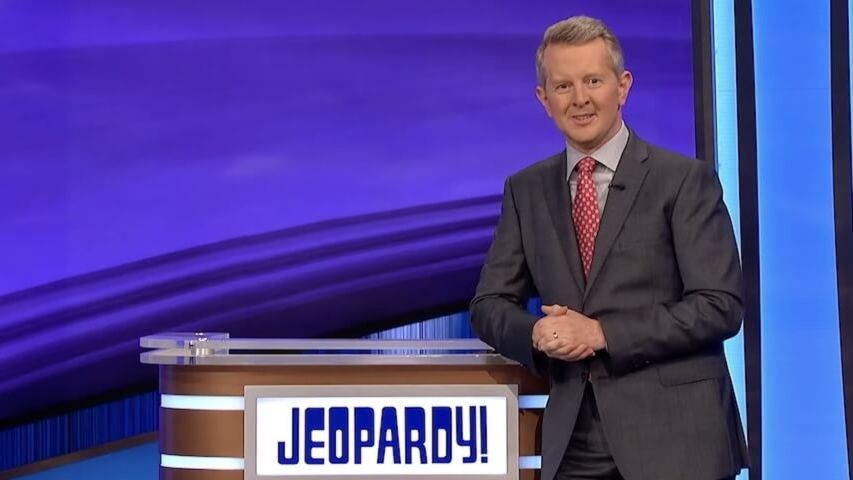
The first time I saw the line “False Berlin” pop up on a Jeopardy! Board, I almost laughed out loud. The screen flashed that cryptic category, followed immediately by “Bizarre Little Men.” In the same breath, the host, Ken Jennings, lifted his hand and smiled, as if he’d just finished a private joke that only a handful of people would understand.
It was a moment that felt like a secret handshake between a television audience and an online community that lives in the margins of the internet. The joke itself had its roots on a niche social‑media platform called Bluesky, where a user named lowbeetle posted a satirical answer‑question pair that went viral in 2023. The absurdity of the line “Feel free to ask these diminutive spirits for sexual favors, but don’t say guten Tag, they’re not actually German!” and the punchline “Who are the slut gnomes of false Berlin?” struck a chord with a small but fervent crowd of meme‑makers. When the account was later deleted, the meme survived only in screenshots and the memories of those who shared it.
Jeopardy! Has always been a show that reflects its times. Over the decades, the format has adjusted to the rise of the internet, with contestants turning into social media personalities and former champions congregating on Reddit to share strategies. The show’s writers, too, have begun to sprinkle in subtle nods to online culture. But the reference to “slut gnomes of false Berlin” was a leapa direct line from a niche meme to the mainstream television screen.
In a post on Bluesky that day, Ken Jennings admitted that he had “called in a favor for our Bluesky viewers.” He explained that he had no usual involvement in the writing process, yet he slipped the joke into the episode. It was a deliberate act of bridging two worlds that rarely intersect: the polished studio of a long‑running game show and the chaotic, hyper‑specific language of internet subcultures.
The original meme began as a playful, hyper‑specific joke. It played on the absurdity of a German phrase (“guten Tag”) and the idea of small, sexually available beings“slut gnomes”in a place called “false Berlin.” The joke’s humor lay in its sheer nonsensicalness, a hallmark of many internet memes that thrive on the unexpected. When the account was deleted, the joke vanished from the platform, yet the screenshots preserved its existence.
The fact that it appeared on Jeopardy! Is significant because it shows how internet culture can permeate even the most traditional institutions. The joke survived a transition from a private online forum to a televised program watched by millions, proving that the digital age has reshaped what it means for a meme to be “alive.”
For those who had seen the meme, the moment felt like a shared secret. The audience on the show, unaware of the origin, still got a chuckle from the familiar phrasing. For the internet community, it was a validation that their joke had reached a wider audience. The scene was a reminder that television can no longer be insulated from the rapid exchange of ideas that happen online. The joke’s presence on a mainstream show is a small but telling sign of how the boundaries between media have blurred.
I observe that this episode of Jeopardy! Illustrates a broader trend: the blending of high‑culture formats with low‑culture humor. It signals that the internet’s influence is not a passing fad but a structural shift. The show’s producers and writers have become more receptive to incorporating viral content, recognizing that audiences now consume media across multiple platforms simultaneously.
The “False Berlin” and “Bizarre Little Men” categories serve as a snapshot of how a niche meme can influence mainstream media. It shows that the internet, even when it seems fringe, can shape the content of long‑running television shows. The joke’s journey from a deleted account to a live studio floor demonstrates the fluidity of cultural exchange in the digital age.
Looking ahead, we can expect more instances where internet humor will find its way onto traditional screens. The line “slut gnomes of false Berlin” may become a footnote in television history, but its impact will linger in the way creators think about audience engagement. The next time a Jeopardy! Contestant sees a strange category, they might wonder whether it’s a new puzzle or a nod to a meme that once lived only in the shadows of a social‑media feed.


