News
Jeremy Strong Texted Jessica Chastain After 'Other Mommy' Obliterated 'Social Reckoning' at the Box Office
Jeremy Strong, who portrays Mark Zuckerberg in Aaron Sorkin’s The Social Reckoning, and Jessica Chastain, star of Other Mommy, found themselves in a playful duel over their films’ box‑office fortunes.
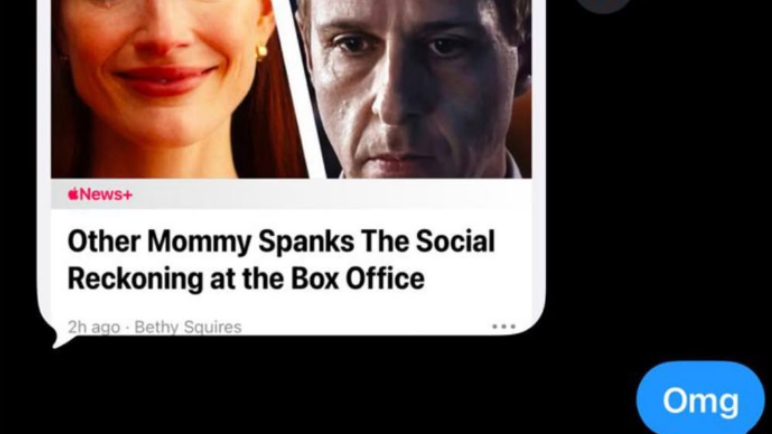
Jeremy Strong, who portrays Mark Zuckerberg in Aaron Sorkin’s The Social Reckoning, and Jessica Chastain, star of Other Mommy, found themselves in a playful duel over their films’ box‑office fortunes. While Other Mommy opened to $27.5 million, The Social Reckoning managed only $5.5 million in its debut week, a disparity that prompted Strong to send Chastain a text with a Vulture article headline declaring that Other Mommy had “Spanked The Social Reckoning At The Box Office.” Chastain replied with a mix of humor and sass, later sharing the exchange on her Instagram story. The banter continued with emojis, a middle finger and a face blowing a kiss, and a light‑hearted jab at Chastain’s own “demonic mommy” look.
The stark contrast in opening receipts is more than a headline; it reflects divergent audience appetites. Other Mommy, produced on a $19 million budget, has already pulled $17.6 million from 50 overseas markets, positioning it to clear its break‑even point theatrically. In contrast, The Social Reckoning landed at number five on the U.S. Box‑office chart, trailing behind Universal/DreamWorks’ Forgotten Island with $4.5 million. Sorkin’s earlier The Social Network opened to $22.6 million in 2010, illustrating how a fresh take on the same subject can yield vastly different results.
The film’s underperformance signals a shifting cultural appetite for tech‑centric narratives. Audiences have grown weary of the “tech‑hub” genre that once celebrated Silicon Valley’s rise. The Social Reckoning attempts to dissect Facebook’s rise, but perhaps its angle feels stale compared to fresh, genre‑blending projects like Other Mommy, which mixes horror and family drama. This shift mirrors a broader trend where viewers gravitate toward stories that subvert expectations rather than rehash familiar tropes.
The exchange between Strong and Chastain demonstrates how social media can amplify a film’s visibility. By sharing the playful texts, Chastain tapped into her vast following, turning a box‑office comparison into a viral moment. This strategy is increasingly vital; studios now rely on celebrity engagement to generate buzz, especially when a film’s theatrical prospects are uncertain. The fact that both actors used emojis and candid photos shows that authenticity can outperform polished marketing campaigns.
Given the current trajectory, Other Mommy is likely to continue its modest but steady climb, potentially reaching a global total that justifies its modest budget. The Social Reckoning, meanwhile, will need a strategic shiftperhaps a strong home‑video release or a streaming partnershipto recoup its investment. I predict that Universal will pivot to a digital rollout within the next few months, a move that could salvage the film’s financials and offer a second chance at audience engagement.
The playful back‑and‑forth between Strong and Chastain underscores a new era where box‑office success is no longer measured solely by numbers. It now intertwines with social media presence, audience sentiment, and the cultural relevance of the story itself. As the industry adapts, we may see more films leveraging celebrity banter as a marketing tool, blurring the line between on‑screen drama and off‑screen interaction.


