News
Kai Havertz suffers iniury on international duty
Arsenal’s star forward Kai Havertz limped off the pitch during a Germany‑Netherlands friendly, and the club’s bench is suddenly thinner.
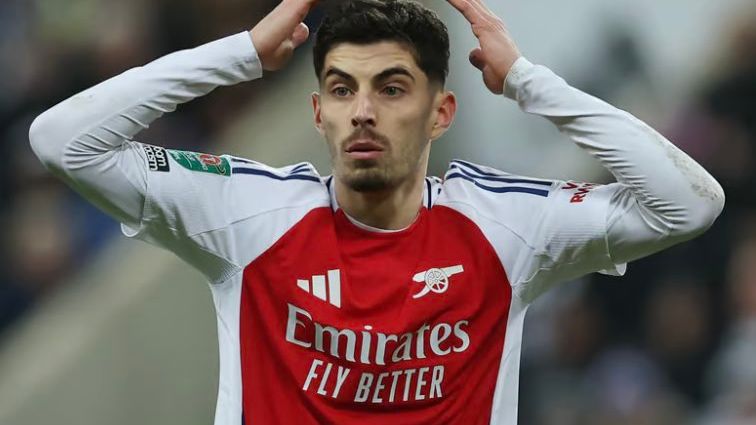
Arsenal’s star forward Kai Havertz limped off the pitch during a Germany‑Netherlands friendly, and the club’s bench is suddenly thinner. The 26‑year‑old, who has become a tactical fulcrum for Mikel Arteta, will now face a medical review that could sideline him for weeks. For Arsenal fans, the injury is more than a footnote; it threatens the team’s attacking balance at a time when the Premier League schedule is tightening and the squad’s depth is already stretched.
Arteta’s system relies on forwards who can drift, cut inside, and press from the front. Havertz, with his eye for a pass and ability to occupy multiple positions, has filled that niche since joining. When he was sidelined during the 2022‑23 campaign, Arsenal had to shuffle Gabriel Jesus and Bukayo Saka into unfamiliar spots, a move that left the attack feeling uneven. His absence now forces Arteta to rethink his line‑up for the upcoming fixtures, potentially pushing a less experienced player into a central role.
Germany’s squad, already thin after the World Cup, loses a player who can link midfield and attack. The muscle strain, though initially reported as minor, could develop into a longer recovery if not treated promptly. For the national team, this means a gap that might be filled by a younger, less proven talentan outcome that could shift the balance in future international fixtures. The injury also underscores the risks players face when juggling club and country duties, a debate that has intensified since the 2022 FIFA World Cup.
While headlines often label such setbacks as “minor,” the reality is that a muscle strain can range from a superficial pull to a severe tear. The fact that Havertz was withdrawn from the squad suggests the coaching staff is treating the situation with caution. If the injury is more serious, Arsenal could find themselves without a versatile forward just as they approach the Champions League group stage and the final stretch of the Premier League. This scenario is not hypothetical; it has happened before when key players were ruled out for extended periods, leaving managers scrambling for replacements.
Given the typical recovery window for muscle strainsfour to six weeks for moderate casesArsenal can expect Havertz to return in early October if the injury is uncomplicated. However, if scans reveal a deeper tear, the timeline could stretch to three months, jeopardizing his participation in the upcoming FA Cup final. Arteta’s squad will need to adapt quickly, and the club’s medical team will be under scrutiny for how they manage his rehabilitation.
Havertz’s situation is a micro‑cosm of the modern football calendar, where international duties and club commitments collide. Clubs now must balance player welfare with competitive ambitions, a challenge that will only grow as fixture congestion intensifies. For fans, it’s a reminder that the beautiful game is as much about strategy off the pitch as it is on it.
Arsenal’s next match will be played without one of its most adaptable forwards, and the club’s response will reveal how well it can weather the storm of injuries in a packed season. The next update from the club’s medical staff will be the real headline.


