News
Katie Price's ex Lee Andrews shares crowdfunder for eye-watering sum to 'clear his name'
Lee Andrews sat on a cracked sofa in a Dubai apartment, the glow of a laptop screen cutting through the dimness as he scrolled through his LinkedIn feed.
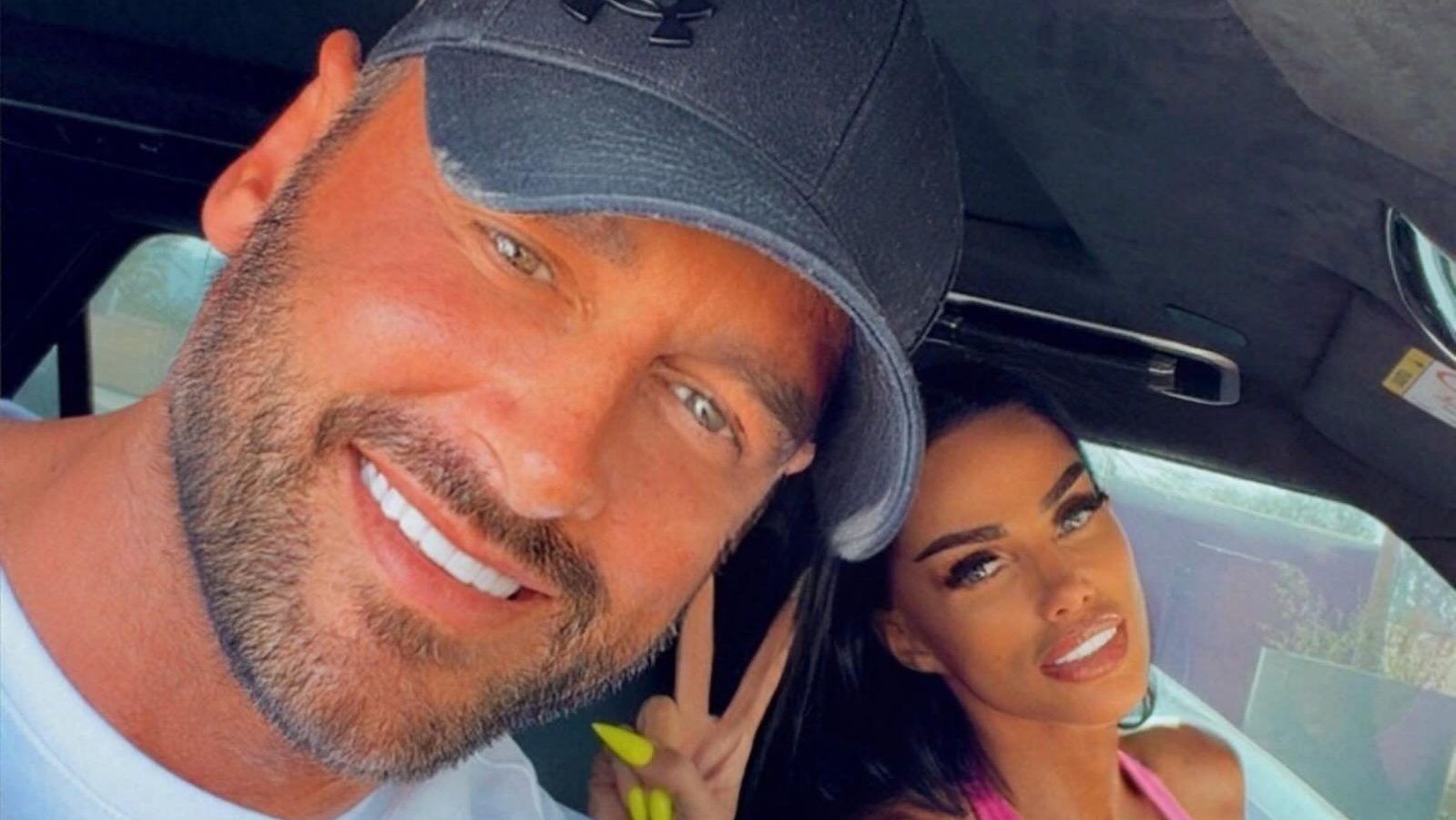
Lee Andrews sat on a cracked sofa in a Dubai apartment, the glow of a laptop screen cutting through the dimness as he scrolled through his LinkedIn feed. The headline that caught his eye read, “Bring Lee Andrews home,” a call to action that felt both urgent and absurd. He had just walked out of Al-Awir prison, a place that had become synonymous with his name in the tabloids, and now he was asking strangers to bankroll his return to England.
In the days after his release, Andrews turned to social media with a mix of defiance and desperation. He promoted his Cameo and OnlyFans accounts, hoping to generate income while he navigated the legal maze that still surrounded him. Simultaneously, he launched a Go Get Funding campaign titled “Bring Lee Andrews home,” setting a target of £95,000. The fundraiser claimed that this sum was needed to post a bond to the court and travel freely back to the UK. It also hinted at a larger £250,000 requirement to lift all travel ban cases against him.
The campaign’s description was stark: Andrews was “falsely accused,” “detained illegally,” and had his “assets seized and bank accounts frozen.” He insisted he was innocent and that the smear campaigns were baseless. Yet, at the time of publication, the page had not attracted a single donation.
Andrews’ story is not just about money; it is a narrative of alleged injustice. He described how, after his release, people believed he had faked his own deatha claim that surfaced in an accusation from Alana Percival, an ex‑partner. In an Instagram Story, he laughed at the absurdity, saying he had “forgotten the taste of sweets” while behind bars and that “people actually thought… People? Horrible people put that I claimed that I killed myself, or died or something.” The tone was one of disbelief, but also of frustration at a media circus that had turned his life into a spectacle.
The decision to crowdfund a legal battle is not new in the public eye, but it is rare for a figure like Andrews, whose name has already been thrust into the limelight by his former spouse, Katie Price. Price has publicly stated that she and Andrews have gone their separate ways, adding a layer of personal drama to the legal one. Andrews’ plea for funds is therefore not just a financial request; it is an attempt to regain control over a narrative that has been shaped by accusations and media speculation.
From a cultural standpoint, the use of crowdfunding in legal disputes reflects a broader trend in the creator economy, where individuals leverage their online followings to support personal causes. Yet, the success of such campaigns often hinges on the perceived legitimacy of the cause. In Andrews’ case, the lack of donations suggests skepticism or fatigue among potential donors, perhaps because the story has already been saturated in tabloids and social media.
Andrews’ use of LinkedIn, Instagram, and other platforms illustrates how public figures now manage their own PR. By posting directly to his network, he bypasses traditional media gatekeepers, presenting his version of events unfiltered. However, the platform’s professional audience may not respond to a personal legal crisis in the same way as a broader social media audience would. The absence of donations could be a reflection of this mismatch.
Moreover, the campaign’s language“falsely accused,” “detained illegally”mirrors the rhetoric often found in viral posts that aim to generate outrage. While such framing can mobilize supporters, it can also alienate those who see the narrative as one‑sided or lacking evidence.
Looking ahead, Andrews has promised to “whistleblow” about his ordeal once he leaves the country. This suggests that he believes there is more to his story than the current public narrative. If he succeeds in lifting the travel ban and clearing his name, the £95,000 may become a symbolic gesture rather than a practical necessity. Conversely, if the legal battles continue, the fundraiser could evolve into a more sustained campaign, potentially attracting donors who believe in his cause.
In the meantime, the campaign remains dormant, a silent testament to the challenges of turning public sympathy into tangible support. The story of Lee Andrews reminds us that in the age of instant communication, the line between personal crisis and public spectacle is increasingly blurred, and that the path to redemption often requires more than a headline it demands a narrative that resonates with people’s sense of justice and empathy.


