News
Kikifoodies' Guide to Making the Best Crispy & Delicious Nigerian Plantain Chips
Crispy Delights from the Kitchen As I sit in my small Lagos apartment, surrounded by the warm glow of afternoon sunlight, I am reminded of the simple joys that bring people together.
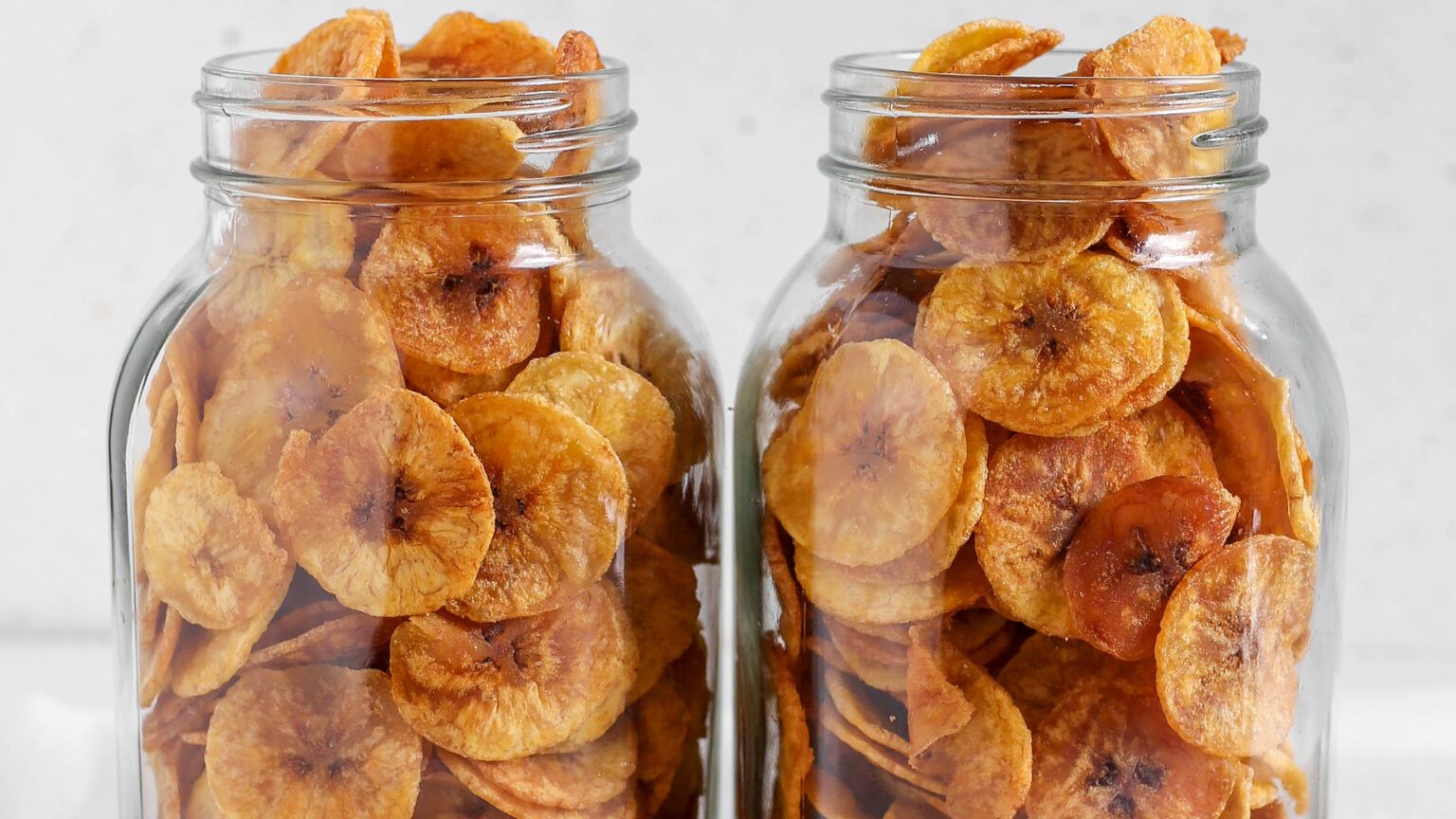
As I sit in my small Lagos apartment, surrounded by the warm glow of afternoon sunlight, I am reminded of the simple joys that bring people together. For many Nigerians, homemade plantain chips are a staple snack that evokes memories of childhood afternoons spent with family and friends. But what sets these crispy treats apart from their store-bought counterparts? According to Kikifoodies, a rising star Nigerian food bloggers, the secret lies in the ingredients and a crucial technique that makes all the difference.
For Kikifoodies, the key to making the best Nigerian plantain chips is using the right type of plantain. While ripe plantains can be used, they contain more sugar and tend to brown faster, resulting in a slightly firmer texture. Instead, Kikifoodies recommends using either green or semi-ripe plantains. Green plantains are perfect for those who want a completely savory snack with an extra-crispy texture, while semi-ripe plantains offer a beautiful golden color and a hint of natural sweetness without sacrificing crunch.
The method of making Kikifoodies' Nigerian plantain chips is deceptively simple. Peel the plantains and heat oil until it is hot but not smoking. Then, slice the plantains very thinly directly into the oil. A mandoline slicer is particularly useful here, as it helps to keep the slices even, which is crucial for achieving the perfect crunch. Fry the plantain slices in small batches, turning them every few minutes until they become golden and the sizzling begins to quieten.
Once the chips are crisp, the final step is to remove them from the oil and allow them to cool completely. This is the moment that gives homemade plantain chips their signature crunch. As Kikifoodies notes, green plantains can be seasoned with salt immediately after frying, while semi-ripe plantains often require very little seasoning due to their natural sweetness.
The result of this simple yet labor-intensive process is a batch of crispy Nigerian plantain chips that are fresher, crunchier, and far more satisfying than their packaged counterparts. What you need is wonderfully uncomplicated: plantains, frying oil, and a little salt if you like a savory finish. The beauty of this recipe lies in its accessibility, making it a great starting point for those looking to experiment with Nigerian cuisine.
As I reflect on Kikifoodies' recipe, I am struck by the importance of using high-quality ingredients and paying attention to the details. The use of the right type of plantain and the careful slicing of the plantains are critical steps that set these homemade plantain chips apart from their store-bought counterparts. With a little patience and practice, anyone can create these delicious treats that are sure to become a staple in any Nigerian kitchen.
In conclusion, Kikifoodies' guide to making the best crispy and delicious Nigerian plantain chips is evidence of the power of simplicity and attention to detail. As the popularity of Nigerian cuisine continues to grow, it is recipes like these that will help to introduce new flavors and textures to a wider audience.