Music
Kizz Daniel Leads With Gratitude on New Single "Owo Oluwa"
Kizz Daniel, a name that has long resonated on Lagos nightclubs and Nigerian radio waves, now finds himself in a different spotlight.
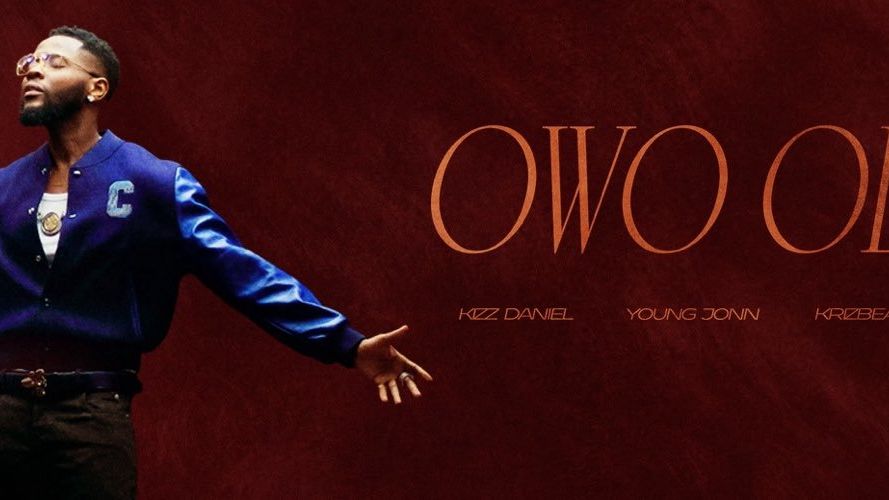
Kizz Daniel, a name that has long resonated on Lagos nightclubs and Nigerian radio waves, now finds himself in a different spotlight. With the drop of Owo Oluwaa track that translates to “The Hand of God”he invites listeners to pause, reflect, and thank. For the artist, the stakes are twofold: redefining his sonic identity and cementing his place in a market that rewards versatility. The single is the first step in the rollout of his forthcoming album, Radio Gidi, signalling a deliberate pivot from dance‑floor anthems to a more contemplative, gospel‑infused sound.
Kizz Daniel’s catalog has been dominated by high‑energy, club‑ready tracks that have dominated streaming charts. Owo Oluwa departs from that formula. The opening beats are unmistakably house, a nod to his earlier work, but they quickly give way to a heavy Afrobeat groove courtesy of Krizbeatz. This sonic transition mirrors the lyrical journey: from the secular to the spiritual. By weaving in Young Jonn’s vocal support and the harmonic layers of the Wave Choir, the track transforms into a reflective praise song. The move is not merely an artistic experiment; it is a calculated risk to broaden his audience base. In an industry where genre fluidity is increasingly prized, Kizz Daniel’s willingness to blend Afro‑gospel with mainstream Afrobeat positions him as a bridge between secular pop and faith‑based communities.
Collaboration is a hallmark of contemporary African music, and Owo Oluwa exemplifies this trend. Krizbeatz, known for his polished Afro‑beat productions, anchors the track’s rhythmic backbone. Young Jonn, whose own style leans toward melodic rap, adds a layer of lyrical depth, while the Wave Choir supplies a choir‑like texture that elevates the song’s gospel undertones. Together, they create a soundscape that feels both expansive and intimate. This collective effort underscores a broader industry movement: the rise of “super‑collaborations” where artists from different sub‑genres unite to create hybrid sounds that appeal to multiple market segments. By aligning himself with these collaborators, Kizz Daniel taps into their fanbases, thereby expanding his reach beyond his traditional audience.
Nigeria’s music scene has long been a reflection of its socio‑economic realities. Songs that celebrate wealth, love, or resilience dominate the airwaves. Owo Oluwa flips this narrative by centering gratitude, faith, and protection. The track’s title, “The Hand of God,” and its lyrical focus on navigating life with care (the Yoruba phrase ṣe jẹjẹ) resonate with a populace that often grapples with instability and uncertainty. In a country where religious faith permeates daily life, a pop artist openly embracing gospel elements signals a cultural shift toward more spiritually grounded content. This aligns with a growing trend where Nigerian musicians are increasingly integrating faith‑based themes into mainstream releases, reflecting a society that values both material success and moral integrity.
The release of Owo Oluwa is more than a single; it is a strategic launchpad for Radio Gidi. Given the track’s cross‑genre appeal, I anticipate that the album will perform strongly on both African and international streaming platforms. The gospel‑infused hook is likely to attract listeners from the diaspora who seek music that balances contemporary rhythms with spiritual depth. Moreover, the collaborative nature of the single positions Kizz Daniel for future partnerships with artists outside Nigeria, potentially opening doors to the UK and US markets where Afro‑beat and gospel fusion is gaining traction. I predict that within the next six months, Radio Gidi will secure placements on curated playlists such as Spotify’s “African Classics” and Apple Music’s “New Music Friday” in the UK, driving both streams and cross‑cultural conversations.
Looking ahead, Kizz Daniel’s bold move to intertwine gratitude with high‑tempo beats could inspire a new wave of Nigerian artists to experiment with faith‑based themes. As the industry continues to evolve, the blend of gospel and Afrobeat may become a staple, reshaping the sonic landscape of African pop. For Kizz Daniel, Owo Oluwa is not merely a single; it is a statement that faith and music can coexist, and that the hand of God can guide a career toward unforeseen horizons.