News
Lets talk You Can See Everything spoilers: An explainer for Nathan Fielders Elizabeth Holmes documentary
The last 34 days of Elizabeth Holmes’ life before she was locked behind prison bars are now on the big screen, and the world is watching.
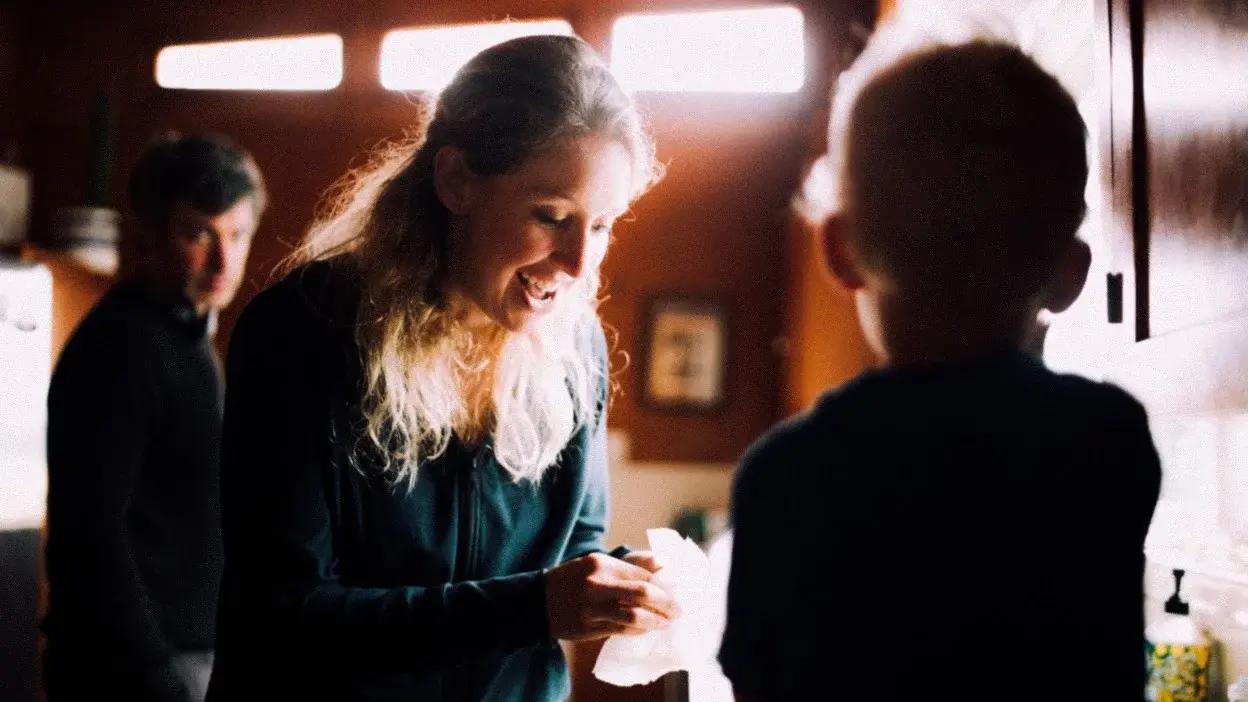
The last 34 days of Elizabeth Holmes’ life before she was locked behind prison bars are now on the big screen, and the world is watching. For the people who lived with herher partner Billy Evans, their children, and the family that watched her unravelthis film is a raw, unfiltered confession. For the rest of us, it’s a chance to see how a tech myth collapses when the curtain finally lifts.
The documentary, co‑directed by Nathan Fielder and Lance Oppenheim, follows Holmes in a near‑real‑time, fly‑on‑the‑wall style. The camera captures her in the cramped rental home she shares with Evans and their children, and even the most intimate momentslike a shower scene that earned the film an R rating. That level of exposure is unprecedented for a figure who once commanded a $9 billion valuation. The film’s footage is not staged; it is the raw, unedited life of a woman on the brink of incarceration.
Fielder, best known for Nathan for You and The Rehearsal, steps away from his usual deadpan humor. In this documentary he is both interviewer and participant, sometimes cracking a smile, sometimes confronting Holmes directly. His presence blurs the line between observer and subject, a deliberate choice that forces the audience to question whether the film is a documentary or a performance. The result is a hybrid that feels more like a confession than a traditional biopic.
The film does more than chronicle a corporate fraud; it shows the human fallout. Evans, who is filmed in the shower, becomes a silent witness to the collapse of a dream. Their children, unseen in headlines, are caught in the crossfire of a scandal that turned a tech startup into a cautionary tale. The documentary’s intimate interviews with Holmes, Evans, and Holmes’ parents reveal the emotional toll that the legal battle exacted on every member of her inner circle. The audience sees the strain of a family trying to hold together when the world is watching.
The release comes at a time when the tech industry is still re‑examining its culture of hype and unchecked ambition. The film’s timingpremiering at Telluride and then New York Film Festivalcoincides with a broader conversation about accountability. It forces us to ask: if a company can grow to a billion‑dollar valuation on a lie, what does that say about the regulatory systems that let it happen? The documentary is a mirror reflecting the blind spots of Silicon Valley’s “growth at all costs” mentality.
I predict that You Can See Everything will spark a new wave of documentaries that combine investigative journalism with personal narrative. Future projects will likely adopt Fielder’s hybrid style, blending candid footage with direct interviews to humanize corporate scandals. This approach will make complex financial crimes accessible to a broader audience, turning them into cautionary tales rather than dry legal analyses.
Everyone is buzzing that the film is a “hype‑filled exposé.” Yet the truth is more nuanced. The documentary does not simply expose fraud; it exposes the psychological unraveling of a woman who once believed she could rewrite the rules. By showing Holmes’ vulnerability, the film complicates the simplistic villain narrative. It asks whether her downfall was purely a moral failing or a symptom of a system that rewards risk over responsibility.
You Can See Everything is not just a film about a fallen tech mogul; it is a stark reminder that the stories we tell about innovation often ignore the people who live through the fallout. As the film rolls out, it will likely influence how future documentaries approach the intersection of personal drama and corporate accountability.


