News
Liam Gallagher spews foul-mouthed rant calling Gary Neville the C-word
Liam Gallagher’s latest X post turned a quiet football match into a public shouting match, proving that even in the age of viral content, a single tweet can still make headlines.
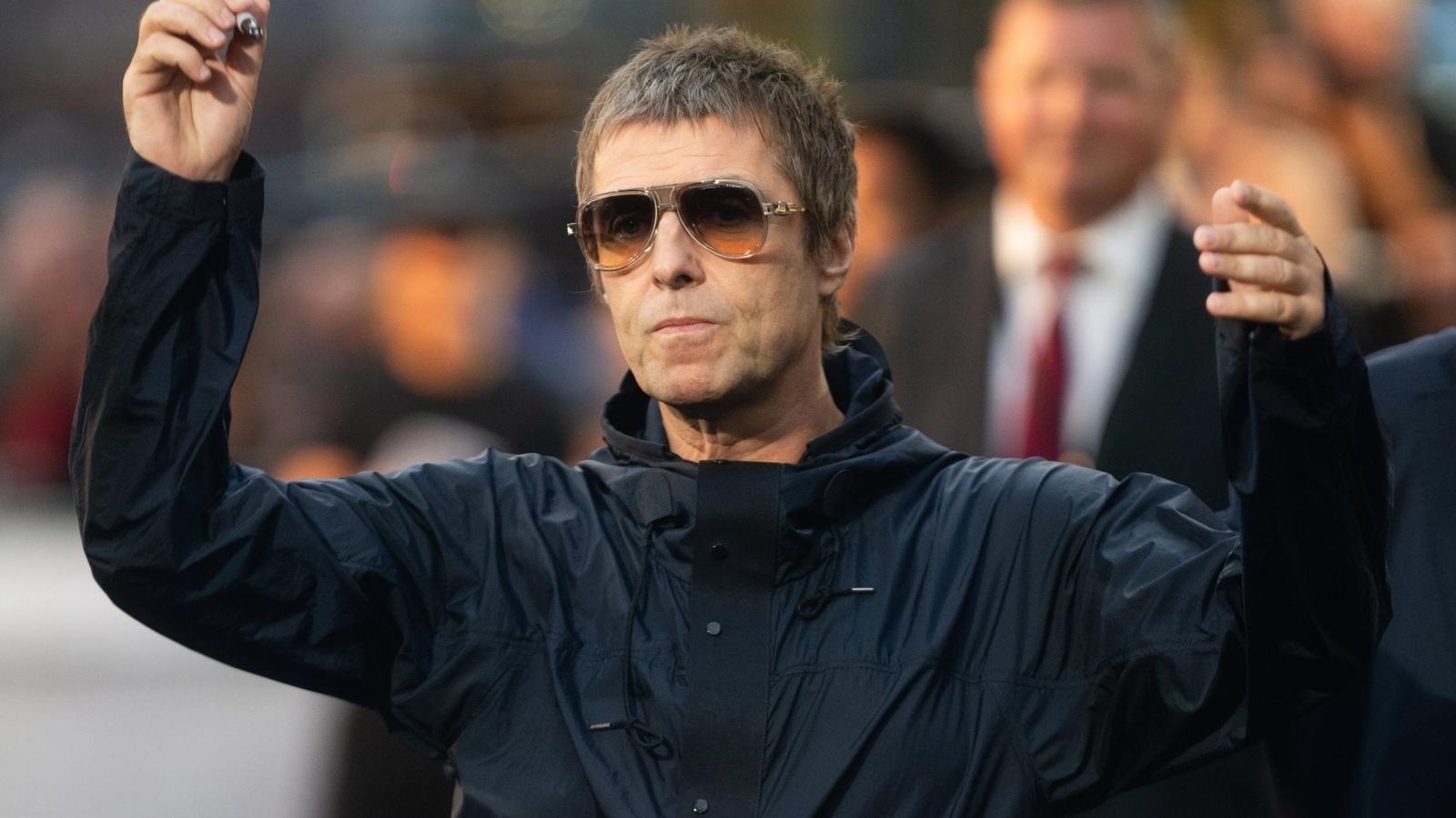
Liam Gallagher’s latest X post turned a quiet football match into a public shouting match, proving that even in the age of viral content, a single tweet can still make headlines. The 53‑year‑old Oasis frontman, already known for his raw language, took aim at former Manchester United player Gary Neville after the Manchester derby ended in a controversial win for Manchester City. The rant, which amassed 37,000 likes, left fans wondering whether it was a genuine grievance or a calculated stunt to keep the media buzzing.
Liam’s tweet was simple: “Calling Gary a s* c**.” He followed that with a curse at the referee and a jab at Manchester United. The post came hours after the match, a time when emotions were high and the commentary team was still buzzing. The fact that Liam’s brother Noel was in the crowd watching the game adds another layer. Noel, a City fan, had previously traded barbs with Gary over his London residency. Liam’s choice to target Gary specifically, rather than the broader debate about the referee or the match outcome, suggests a personal vendetta rather than a purely sports‑centric critique.
Gary Neville’s role as a commentator during the derby was a reminder of his deep roots in Manchester football. Yet, his presence on the broadcast booth might have felt like a reminder of the old guard to Liam, who has long positioned himself as a rebel against the establishment. The timingright after a controversial winmeant that Gary’s commentary was under intense scrutiny, and any perceived bias could be weaponised. Liam’s attack, therefore, can be read as an attempt to undermine Gary’s credibility, or simply as a way to amplify his own voice in a saturated media landscape.
The tweet’s reception shows how quickly a single insult can ignite a social media storm. Comments ranged from “Hard to tell, but I don’t think Liam enjoyed the game” to “I’m getting the feeling Liam’s not a fan of Man Utd.” These reactions underline a larger trend: fans are less interested in the actual sporting narrative and more in the personalities that shape it. The incident also highlights the fragile relationship between former players turned pundits and the artists who comment on them. When a rock star calls a football commentator a “c‑word,” the line between sports and pop culture blurs, creating a new arena for public discourse.
If this episode is any indication, we can expect more clashes between musicians and sports figures in the coming years. The 2027 Oasis tour announcement, featuring a drone show over the Etihad, shows that artists are still leveraging football venues for publicity. As long as the media feeds off sensationalism, artists who are comfortable with profanity will continue to use it to keep audiences engaged. I predict that within the next year, another high‑profile musician will launch a similar rant, targeting a different sports commentator, and the cycle of outrage will repeat itself.
The fallout from Liam’s outburst will likely ripple through both the music and football communities, reminding us that in the age of instant commentary, a single tweet can rewrite reputations overnight.


