News
Mavo apologises as backlash over past tweets intensifies
The backlash against Mavo is not just a social‑media flare‑up; it is a reckoning for a young artist who once wielded Twitter as a weapon.
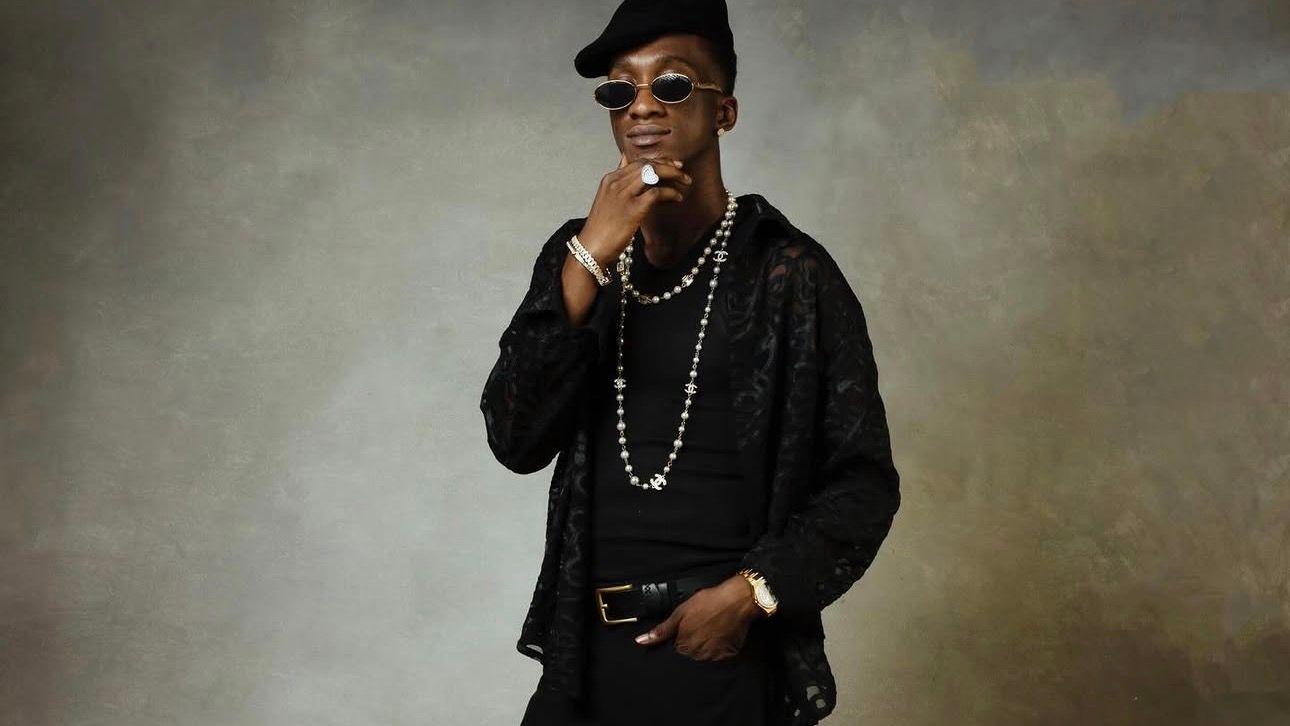
The backlash against Mavo is not just a social‑media flare‑up; it is a reckoning for a young artist who once wielded Twitter as a weapon. His apology comes after old tweetsscathing jabs at Davido, Ayra Starr, and other Nigerian music heavy‑weightsre‑emerged, sparking a firestorm that forced him to confront the real cost of public criticism. For the fans who followed his rise, the story is a reminder that every post can become a legacy.
Mavo’s own words paint a clear arc: “I was a bad entertainment critic when I started uni until I realized superstars don’t really care about Twitter.” The admission that he once “criticised other artists” and later chose to “focus solely on my music” shows a shift from a combative persona to a more reflective artist. Yet the shift was not smooth; it required a public apology that acknowledged unintended harm. “My criticism sadly, unfortunately & unintentionally hurt quite a number of people & I'm honestly sorry,” he wrote. The apology is blunt, but it also signals a broader trend: artists are being held accountable for the echo chamber of their early career.
The resurfacing of these tweets illustrates how digital footprints can resurface like a second act. What was once a fleeting university rant now fuels a nationwide debate. The fact that the comments targeted high‑profile figures such as Davido and Ayra Starr magnifies the impact. Fans and fellow creators alike were quick to weigh in, turning a private critique into a public spectacle. This phenomenon is not newpast controversies involving Nigerian artists have shown that a single tweet can derail a careerbut the speed and scale of the backlash this time is unprecedented.
Mavo’s claim that he “met most of these people and they actually turn out to be amazing people” challenges the narrative that he was merely a snide critic. It raises a larger question: can an artist’s past be redeemed by genuine interaction? The answer is murky. While personal meetings can soften perceptions, the initial damage to reputation often lingers. Moreover, the apology’s timingafter the tweets resurfacedsuggests a reactive rather than proactive approach to accountability. If Mavo had addressed the comments earlier, perhaps the fallout would have been less severe.
Given the intensity of the backlash and the public nature of his apology, I predict that Mavo will pivot to a more collaborative and transparent image. He is likely to release a track featuring some of the artists he previously critiqued, using the platform to showcase mutual respect. This strategy mirrors what Ayra Starr did after her own Twitter controversy, turning a negative moment into a positive partnership. If Mavo follows that path, he could reclaim his standing in the industry and prove that growth is possible even after missteps.
Mavo’s apology is a cautionary tale for emerging artists: your early voice can echo long after you’ve moved on. The industry must learn to balance honest critique with respect, and creators must remember that every tweet is a public statement that can shape careers. For the Nigerian music scene, this episode underscores the need for a culture that values growth over gatekeeping, and for artists to own their past while forging a forward‑looking narrative.
More stories you'll like

News
A bigger piece of Cairo

News
'Other Desert Cities' Broadway Review: Julia Louis-Dreyfus Brings Biting Levity to Her Main Stem Debut

News