News
Megyn Kelly Slams Olivia Rodrigo for Supporting Jane Doe in Cornell Rape Suit: 'Shut Up & Stick to Singing'
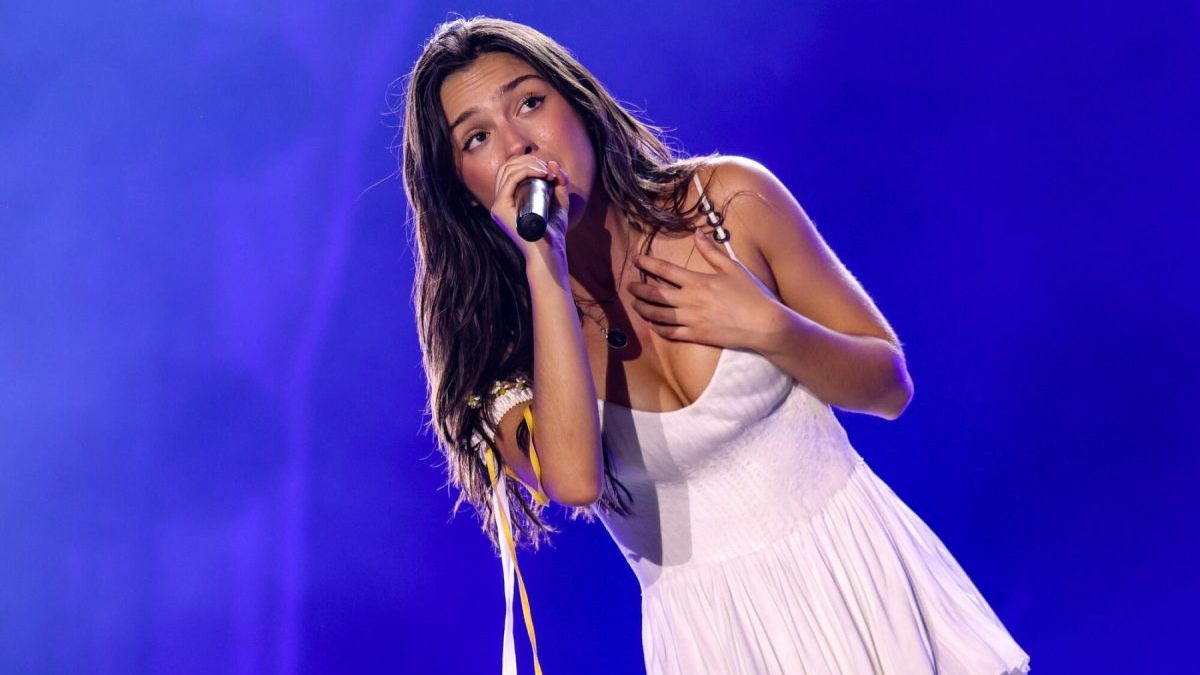
Olivia Rodrigo, the 23‑year‑old Grammy‑winning singer, has found herself at the center of a cultural storm after she publicly backed a Jane Doe who has filed a gang‑rape lawsuit against Cornell University. In a statement posted the day before Megyn Kelly’s YouTube show, Rodrigo called the university “shame on Cornell” and declared she “stands with Jane Doe.” The singer’s words were met with a blistering rebuttal from the former Fox News anchor, who urged the pop star to “shut up and stick to singing.” The exchange has sparked a broader debate over celebrity activism, the limits of public discourse, and the ongoing reckoning with sexual misconduct in higher education.
Olivia Rodrigo’s declaration was not a casual tweet; it was a public endorsement of a woman who alleges she was gang‑raped by members of the Chi Phi fraternity at Cornell in October 2024. The lawsuit accuses the defendants of providing alcohol and drugs, including ketamine, and of encouraging other brothers to participate in the assault. The university is also named, with Jane Doe claiming that Cornell failed to protect her or deliver justice. Rodrigo’s statement“Shame on Cornell… I stand with Jane Doe”was a direct challenge to institutional accountability. For Rodrigo, the stakes are personal and professional; for Jane Doe and countless others who have suffered similar abuse, the stakes are systemic change.
On the Monday episode of her YouTube show, Megyn Kelly read Rodrigo’s statement aloud and immediately dismissed it. “Shut up and stick to singing,” she declared, adding that the singer “doesn’t know what she’s talking about.” Kelly’s remarks reflect a broader conservative skepticism toward celebrity activism in social justice arenas. By calling Rodrigo a “know‑nothing moron” and threatening to “pull your music and your lyrics,” Kelly framed the singer’s advocacy as a threat to her own cultural influence. Her comments also echo a long‑standing trend of media personalities policing the political commentary of pop culture figures.
This clash sits squarely within the ongoing conversation about the role of celebrities in the MeToo movement. Since the late 2010s, artists like Beyoncé, Lady Gaga, and now Rodrigo have used their platforms to amplify victims’ voices. The backlash from traditional media figuresoften rooted in a belief that entertainers should remain apoliticalhighlights a persistent divide. In the U.S., the debate over “performative activism” has intensified, especially as younger audiences demand authenticity and accountability from public figures. The incident also underscores the growing expectation that celebrities will confront institutional injustices, particularly in academia, where sexual misconduct cases have surged in visibility.
Rodrigo’s stance could have ripple effects across the music industry. Artists who align themselves with social causes risk alienating certain segments of their audience, yet they also attract a growing demographic that values ethical engagement. The music business has already seen shifts: streaming platforms now curate playlists around social themes, and record labels are more cautious about signing artists who polarize public opinion. Kelly’s criticism may embolden other conservative commentators to scrutinize celebrity activism, potentially leading to a more fragmented media landscape where pop culture and politics are increasingly siloed.
Given the current trajectory, I predict that Rodrigo will maintain her public advocacy, leveraging her platform to push for reforms at Cornell and beyond. Simultaneously, conservative media will likely amplify their critiques, framing the singer’s activism as an overreach. This dynamic will probably force record labels and streaming services to re‑evaluate their artist support policies, especially regarding public statements on contentious issues. The outcome could be a more cautious approach from artists, balancing personal convictions with commercial considerations.
In the weeks ahead, the debate will likely intensify as more details of the Cornell lawsuit emerge. If the university faces increased scrutiny, it may adopt stricter protocols for handling sexual misconduct allegations, setting a precedent for other institutions. For Rodrigo, the next step will be to decide whether to continue her public stance or to shift her focus back to musican decision that will shape her brand and influence in the years to come.


