News
Melissa Barrera Reveals What It Would Take to Return to the 'Scream' Franchise
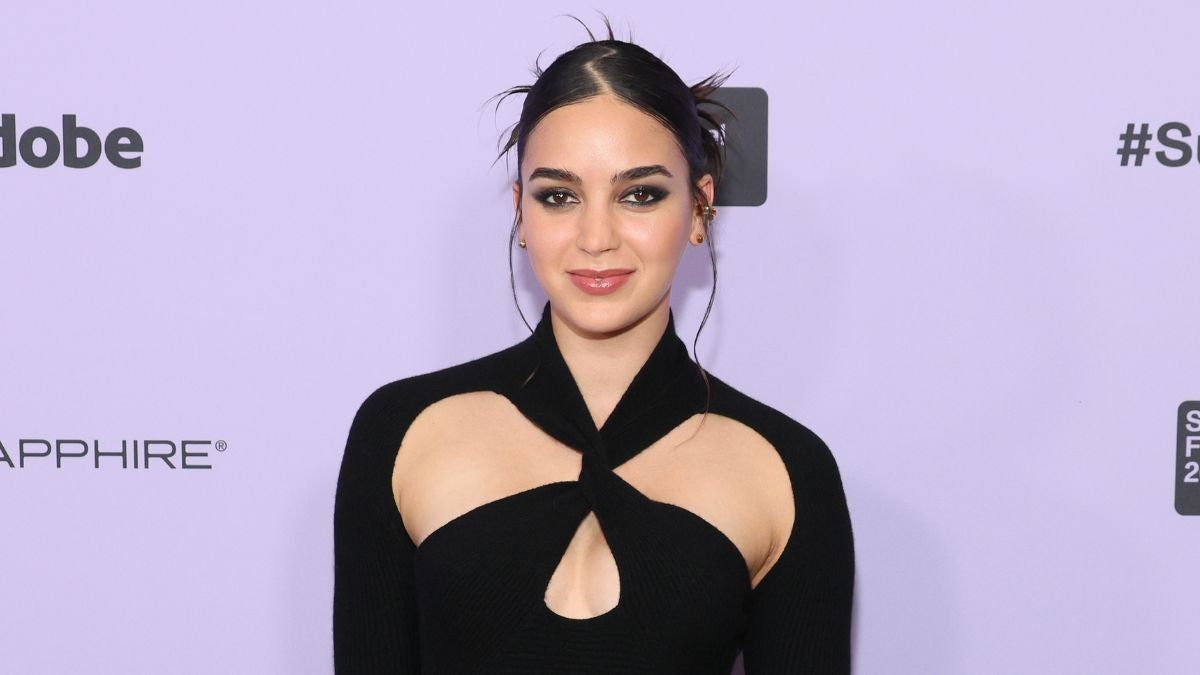
Melissa Barrera’s candid admission that she would only return to the Scream franchise “if it were ever to leave the hands of Spyglass” turns a Hollywood drama into a case study of power, politics and the price of speaking out. For the young actress, the stakes are personal: the loss of a role, the threat of black‑listing, and a public narrative that paints her as a troublemaker. For Spyglass, the stakes are brand control, investor confidence and the fear that a single tweet could ripple through a multi‑million‑dollar franchise. The clash exposes the fragile relationship between creative talent and corporate gatekeepers in the modern entertainment ecosystem.
Spyglass’ decision to terminate Barrera in November 2023 was framed as a response to “antisemitism or the incitement of hate in any form.” The company’s language“zero tolerance for antisemitism” and “false references to genocide”mirrors the industry’s growing trend of punitive measures against actors who voice political opinions. The company’s silence on whether it would issue a formal apology or offer a chance to reconcile signals a zero‑tolerance policy that extends beyond the content of Barrera’s posts to the broader context of her activism. This move, while legally defensible, risks alienating a segment of the audience that values social justice and could backfire in a market that increasingly rewards authenticity over corporate appeasement.
Barrera’s experience underscores how quickly a social media post can transform an actor’s career trajectory. Her call to “expose atrocities” and comparison of Gaza to a “concentration camp” were deemed “flagrantly crossing the line into hate speech” by Spyglass. Yet, the backlash she faced was not limited to a firing; it extended to her co‑star Jenna Ortega’s exit and director Christopher Landon’s public statements about threats to his safety. The ripple effect shows how a single incident can destabilize an entire franchise, forcing producers to scramble for replacements and fans to question the integrity of the brand. For Barrera, the professional cost is clear: she would not return to a project under Spyglass’ control, even if the company apologized.
The Scream franchise, however, remains profitable. Kevin Williamson’s return as writer and director and Neve Campbell’s comeback for Scream 7 demonstrate that the brand can survive personnel upheavals. Yet, the question remains whether a new ownership group will emerge that respects the legacy of Wes Craven while allowing political expression. The film’s $214 million box office haul indicates that audiences are still engaged, but the industry must decide whether the cost of silencing dissent is worth the financial return. If Spyglass retains the rights, Barrera’s refusal to re‑join will force the studio to find a new “final girl,” potentially altering the franchise’s dynamic and fan reception.
Barrera’s situation is not isolated. Hollywood’s current climate of “cancel culture” and corporate censorship is tightening. Actors who speak out on contentious issues risk being black‑listed, while studios protect their bottom line by enforcing strict content guidelines. This trend threatens creative freedom and signals a shift toward a more conservative, risk‑averse industry. It also highlights the need for independent production houses that can provide safe spaces for artists to express their views without fear of corporate retaliation.
Prediction: Within the next twelve months, Spyglass will likely seek to renegotiate its distribution deals to distance itself from the controversy, while a new investor may step in to acquire the Scream rights. If that happens, Barrera could returnthough her insistence on a different corporate culture suggests she will only re‑join if the new owners demonstrate a genuine commitment to artistic freedom and a clear apology for past missteps.
The fallout from Barrera’s tweets is a reminder that the intersection of politics and entertainment is no longer a peripheral issue; it is central to the survival of franchises and the livelihoods of the artists who bring them to life. The next chapter of Scream will hinge not just on the slasher script but on who holds the power to decide what happens on screen.


