News
Meta launches Muse Wonder, catching OpenAI and Anthropic at the frontier
Meta’s newest AI offering, Muse Wonder, rolled out to developers this week, and the benchmarks that followed have already shifted the balance of power in the machine‑learning arena.
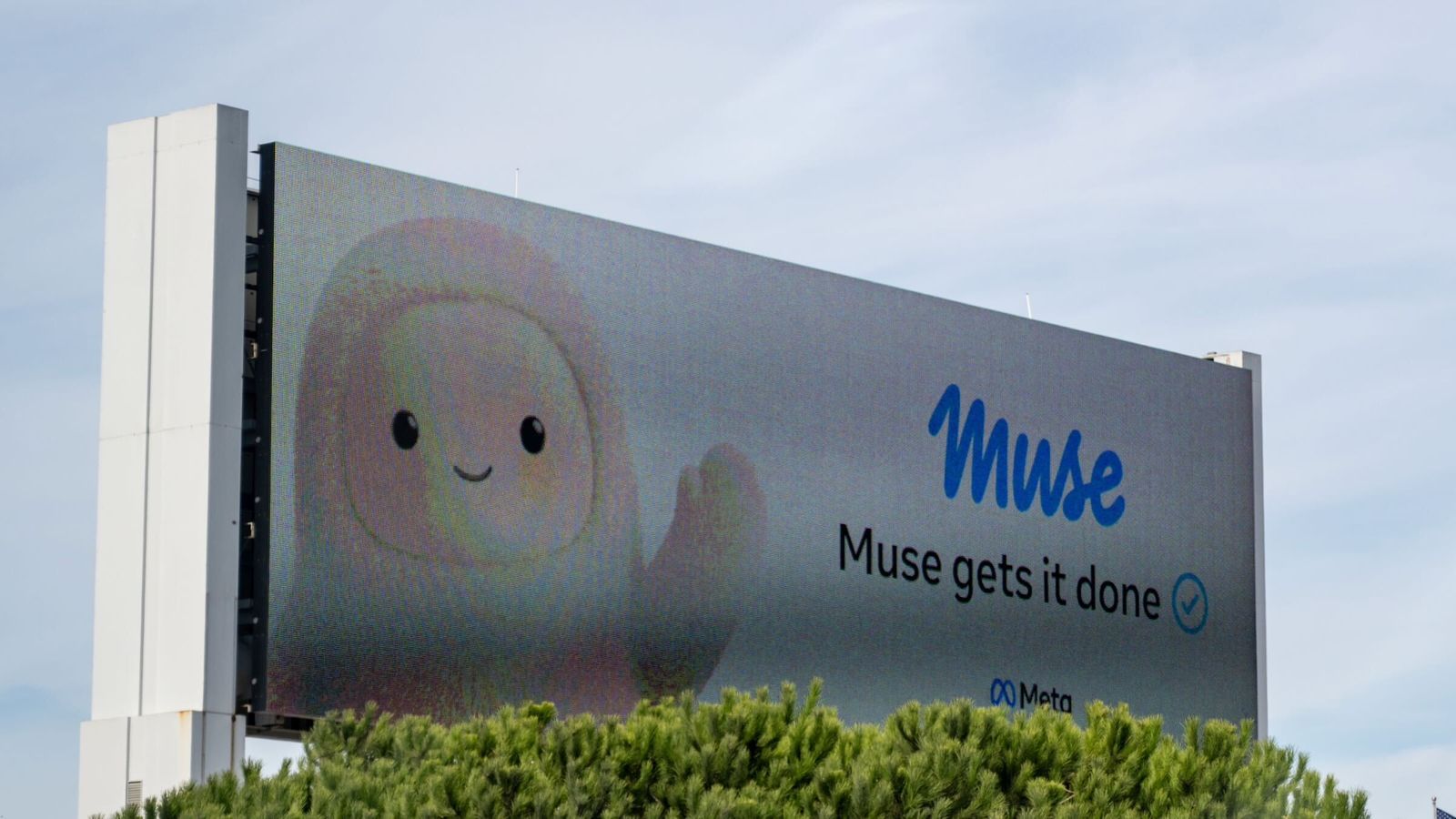
Meta’s newest AI offering, Muse Wonder, rolled out to developers this week, and the benchmarks that followed have already shifted the balance of power in the machine‑learning arena. The moment arrived in the quiet glow of a Lagos office, where a team of engineers watched the first test run of Muse Wonder Full on a screen that lit up with a score that eclipsed every rival model on the Artificial Analysis Intelligence Index. The numbers were not just statistics; they were a declaration that Meta, once a laggard in the AI race, had finally caught up.
The story of Muse Wonder is inseparable from Meta’s broader strategy. In 2023, Mark Zuckerberg announced a massive investment in AI talent and infrastructure, culminating in the purchase of Scale AI for $14.3 billion. The deal brought Alexandr Wang, then 28, into Meta’s fold as its new Chief AI Officer. Wang’s arrival marked a turning point, signalling that Meta was no longer content with being an afterthought. The company’s focus shifted from incremental improvements to bold, purpose‑built models that could drive real‑world applications.
Just six weeks after the launch of Muse Spark 1.3, Meta introduced Muse Wonder. The new family is already rolling out to developers, and early independent benchmarks suggest it is a game‑changer. Muse Spark had already captured the imagination of users, with its AI agent amassing over 5 million app downloads. Muse Wonder builds on that foundation, offering a more sophisticated, agent‑centric architecture that promises to handle complex, long‑running tasks with ease.
Independent AI benchmarking organization Artificial Analysis released a composite score that places Muse Wonder Full just behind Claude Opus 5.5 Max and tied with Claude Sonnet 5.5 Max on their leaderboard. The index, which weighs multiple dimensions of performance, also shows Muse Wonder leaping ahead of GPT‑Astra from OpenAI, Fable 5 from Anthropic, and the newly released Gemini 4 from Google. These results are not mere hype; they reflect a tangible shift in the competitive landscape, with Meta now firmly positioned at the frontier.
In its announcement, Meta highlighted two key features that differentiate Muse Wonder: Active Focus and Active Memory. Active Focus is described as the model’s ability to persist toward a goal when a task becomes difficult, to try alternative approaches, recover from errors, and seek clarification when needed. Active Memory, meanwhile, allows the AI to retain context over extended interactions, a critical capability for any agent that must navigate complex workflows such as insurance claims or lease negotiations. These design choices underscore Meta’s intent to create AI that can act autonomously while remaining safe and controllable.
As a writer who has spent years chronicling the intersection of technology and everyday life, I find the Muse Wonder story compelling because it bridges the gap between abstract performance metrics and tangible human benefit. Imagine a small Nigerian startup that needs to automate customer support across multiple languages. With Muse Wonder’s agentic capabilities, that startup could deploy an AI that not only answers queries but also escalates complex issues, learns from each interaction, and improves over timeall without the need for a large in‑house data science team.
Meta has promised a full safety evaluation report that will be released soon. While the company emphasizes that Muse Wonder is designed with user safety in mind, the lack of an immediate public safety audit leaves room for cautious optimism. In an industry where the line between innovation and risk is razor‑thin, transparency will be a key differentiator for Meta’s long‑term credibility.
The launch of Muse Wonder signals more than a technical milestone; it marks Meta’s entry into a new era of AI development where agency, safety, and real‑world applicability converge. For developers, the immediate availability of Muse Wonder to paid subscribers offers a powerful tool to build next‑generation applications. For users, the promise of smarter, more reliable AI agents could transform everyday interactions, from filing insurance claims to drafting legal documents.
As the AI frontier continues to evolve, Meta’s Muse Wonder stands as evidence of what focused investment, strategic hiring, and bold engineering can achieve. The next few months will reveal whether this new model can sustain its early promise and translate benchmark supremacy into widespread, meaningful impact.


