News
Millions lack credit histories. African banks are changing how they lend
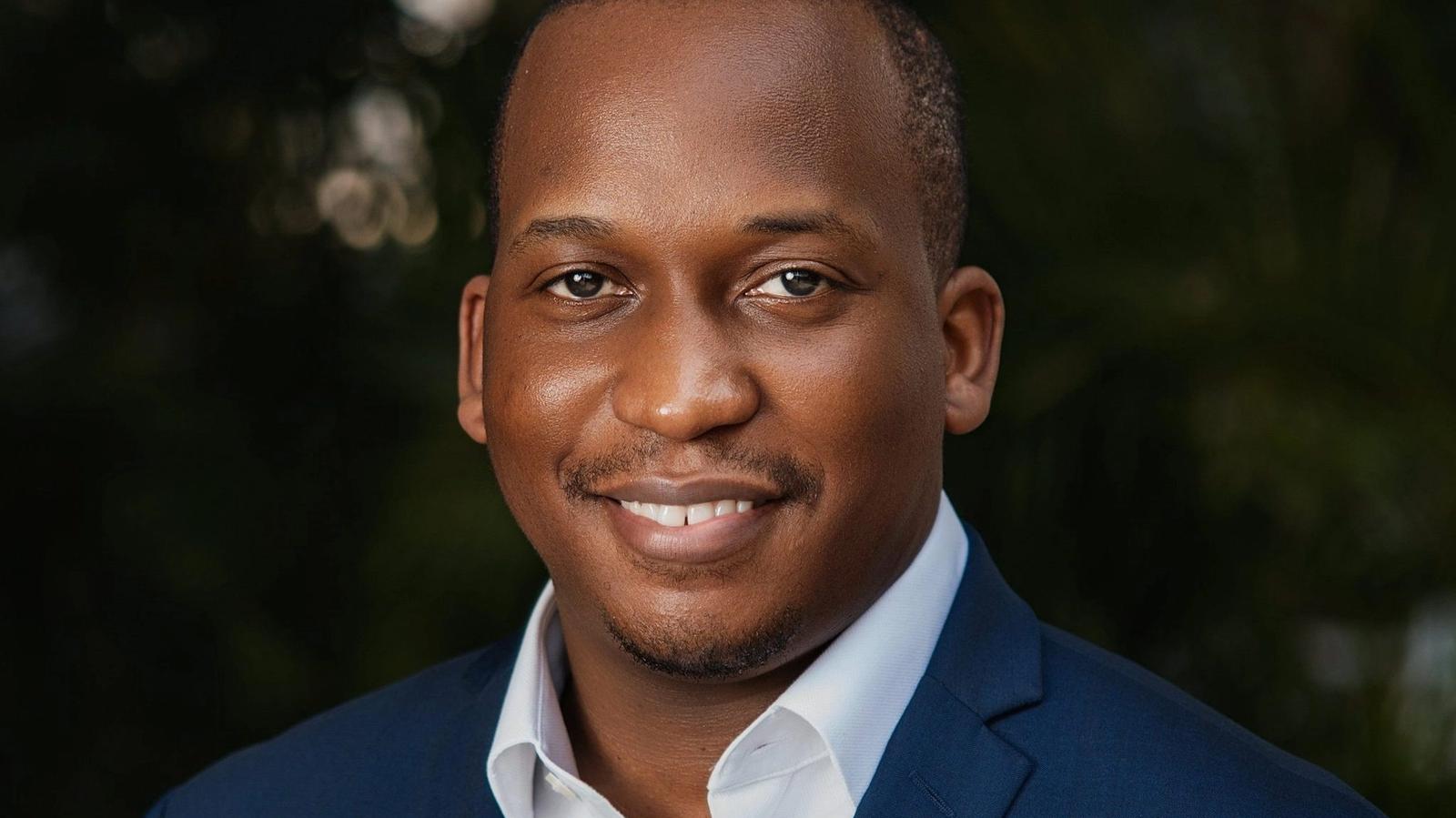
Dalumuzi Mhlanga, chief executive officer of Notto, an African licensed and regulated alternative credit bureau, told TechCabal on Wednesday that Africa's banking system was built around one assumption: the best borrowers earn regular salaries. But on a continent where most people earn their living in the informal economy, that assumption leaves millions of creditworthy consumers outside the financial system. This is a harsh reality for those struggling to access credit, despite having the financial means to repay loans.
Traditional underwriting, designed for borrowers with formal employment contracts, bank statements, and established credit histories, struggles to capture the complex ways in which millions of Africans earn, spend, and manage money. The result is a costly blind spot that Africa faces, with a $300 billion financing gap for consumers and small businesses. Rather than replacing traditional credit assessment, banks are supplementing it with new data sources that provide a fuller picture of a customer's financial behaviour. This evolution in underwriting recognises that creditworthiness is not limited to formally employed workers.
The disconnect between how people earn incomes, spend, and save in the informal sector and how banks process that as part of their underwriting is a significant challenge. Alternative credit scoring aims to close this gap by analysing behavioural patterns such as regular deposits into mobile money wallets or bank accounts, recurring bill payments, and spending patterns. The idea is that consistent financial behaviour can indicate a person's willingness and ability to repay a loan, even if they have never held a credit card or bank loan. By considering these new data sources, banks can widen their pool of potential borrowers and provide much-needed credit to millions of Africans.
Notto, an African licensed and regulated alternative credit bureau, has played a significant role in this evolution. The company has analysed more than one billion transaction records, built credit scores for more than eight million consumers, and generated credit scores for millions more. According to Mhlanga, this alternative data can help lenders assess creditworthiness beyond traditional credit histories. By doing so, Notto is helping to bridge the gap between the informal economy and the formal financial system, providing much-needed credit to millions of Africans.
The African banking system is undergoing a significant transformation. Rather than relying solely on repayment histories and bank records, lenders are now supplementing traditional credit assessment with new data sources that provide a fuller picture of a customer's financial behaviour. This evolution in underwriting recognises that creditworthiness is not limited to formally employed workers and is helping to bridge the gap between the informal economy and the formal financial system. As Dalumuzi Mhlanga rightly pointed out, the disconnect between how people earn incomes, spend, and save in the informal sector and how banks process that as part of their underwriting is a significant challenge.
As a writer, I believe that this evolution in underwriting is a crucial step towards financial inclusion in Africa. By considering alternative data sources, banks can widen their pool of potential borrowers and provide much-needed credit to millions of Africans. However, this is just the beginning. To truly close the financing gap, we need to see more innovation and collaboration between lenders, regulators, and tech companies. Only then can we create a financial system that truly serves the needs of all Africans, regardless of their employment status or income level.
According to the World Bank, a significant proportion of African workers are employed in the informal economy. In South Africa, for instance, an estimated 60% of the workforce is employed informally. Similarly, in Nigeria, it's estimated that 70% of the workforce operates in the informal sector. This is not unique to these countries; across the continent, informal employment is a common phenomenon. In this context, the African banking system is struggling to capture the complexity of how people earn, spend, and manage money.