News
Musk review: Alex Gibneys near 4-hour doc is a scathing look at Elon Musk
Elon Musk is a household name, yet a new four‑hour film forces us to confront the man behind the headlines.
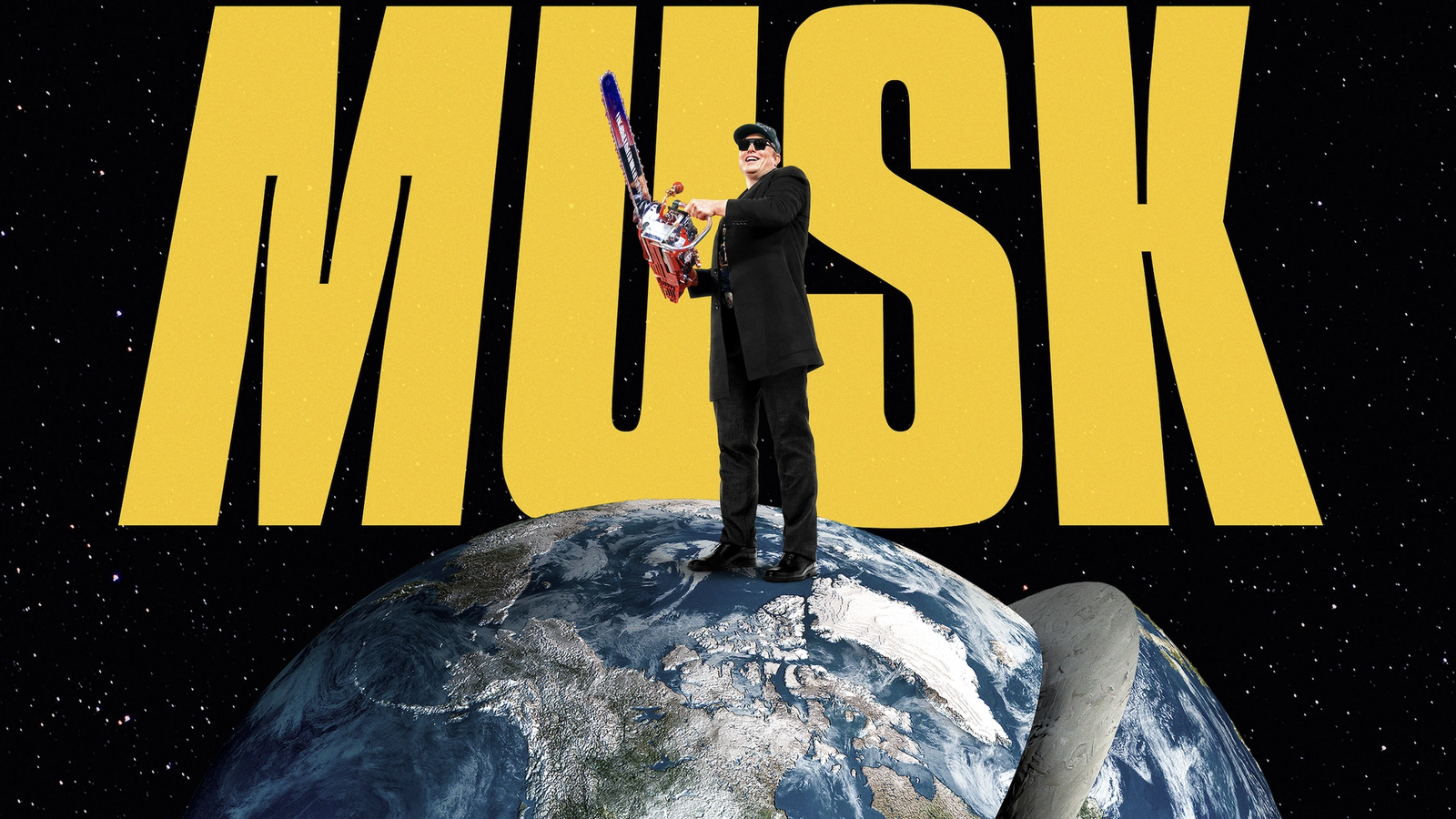
Elon Musk is a household name, yet a new four‑hour film forces us to confront the man behind the headlines. Alex Gibney’s Musk doesn’t just catalogue the billionaire’s ventures; it forces ordinary peoplestudents, engineers, investorsto see the same man who tweets about simulations and tweets about rockets, who calls critics “douche” and who is still the subject of a 10‑minute intermission‑packed documentary. The film’s length is a statement: the story is too big for a 90‑minute slot, and it demands that viewers reckon with a figure who shapes technology, finance, and culture simultaneously.
Gibney opens with Musk’s obsession that we live in a simulation, a claim Musk has repeated for years. By framing the documentary around this idea, the filmmaker turns Musk’s own rhetoric into a lens for the entire narrative. The simulation theme is not merely a gimmick; it ties Musk’s venturesSpaceX, Starlink, xAI, Grokinto a single storyline about control, reality, and the future. The audience is invited to question whether Musk’s ambition to colonise Mars is a literal escape from a simulated world or a metaphor for escaping the constraints of Earth. This framing gives the film a cohesion that most biopics lack, and it forces viewers to see Musk not as a series of isolated achievements but as a single, relentless vision.
Musk never appears on camera. Instead, Gibney creates an animated avatar that mimics Musk’s voice using archival footage. The choice to exclude a live interview is radical: it removes the performative element that often dilutes a public figure’s message. By using only Musk’s own words, the documentary feels authentic and unfiltered. The animation, voiced by Musk himself through archival clips, acts as a narrative device that stitches disparate momentsfrom Zip2 to Twitter acquisitioninto a coherent story. The result is a film that feels less like a critique and more like a forensic reconstruction of a man who has repeatedly punched himself in the face.
The most striking segment comes from SpaceX’s early days, where Musk is shown visibly emotional during the first three failed launches. This raw footage humanises a figure often reduced to a corporate icon. The camera captures a man who, in the face of repeated failure, still clings to a dream that could change humanity. For engineers and entrepreneurs watching, this is a reminder that innovation is a messy, iterative process. The film’s inclusion of Shivon Zilis, mother of four of Musk’s children, further grounds the narrative in personal stakes, showing that behind the headlines are relationships that influence decisions.
Musk has labelled the documentary a “hit piece” before it even premiered. Yet, Gibney’s approachfair to Musk in its use of primary sourceschallenges the conventional narrative that the film is purely antagonistic. The documentary’s strength lies in its balanced use of archival footage, which allows Musk’s own voice to critique itself. The film’s 10‑minute intermission, a rare feature in documentaries, punctuates the narrative and forces the audience to pause, reflect, and re‑engage with the material. It is a structural choice that signals the filmmaker’s intent to make viewers think rather than just consume.
Within the next year, the documentary is likely to ignite a debate about the ethics of biographical storytelling. While some will dismiss it as a “hit piece,” others will praise its audacity to use only Musk’s own words. The film’s length and depth may encourage other filmmakers to adopt similar formats for complex figures, leading to a new wave of long‑form biopics that rely on archival material rather than interviews.
The documentary forces us to confront the paradox of a man who claims we live in a simulation while building rockets that could literally escape it. It shows that Musk is not just a tech mogul but a human being with failures, emotions, and a family. For anyone who thinks they know Elon Musk, Musk is a reminder that the truth is often longer than a headline.


