News
My Brother's Wedding, an early classic from a Black cinema pioneer, gets a second life
The first time I watched My Brother’s Wedding I was in a dim theater in South Los Angeles, the air thick with the scent of popcorn and the hum of a projector.
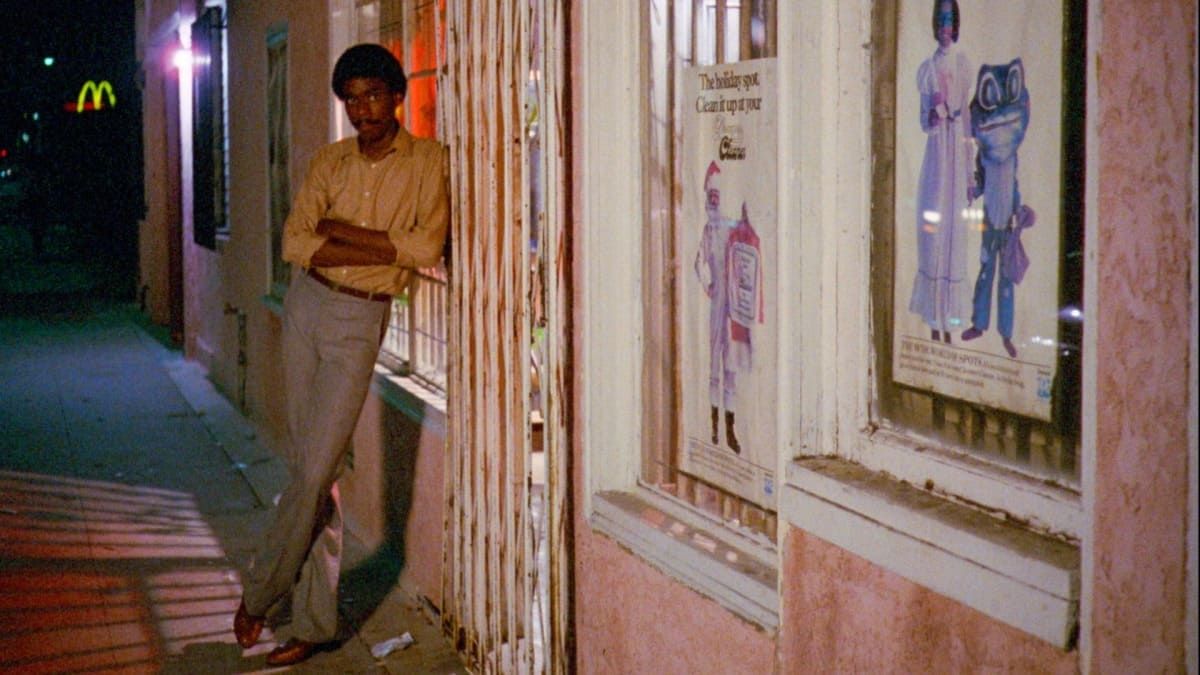
The first time I watched My Brother’s Wedding I was in a dim theater in South Los Angeles, the air thick with the scent of popcorn and the hum of a projector. The screen flickered to life, and a young man named Pierceplayed by Everett Silasstood in the doorway of a cramped apartment, the sun slanting through blinds onto his face. He was surrounded by the ordinary sounds of a neighborhood: a distant siren, a neighbor’s radio, the clatter of a dry‑cleaning machine. That ordinary tableau was the film’s heart, a quiet snapshot of a life that many of us had lived but rarely seen on screen.
After directing the short films that earned him a scholarship at UCLA, Charles Burnett stepped onto the feature‑film stage with Killer Of Sheep in 1978, a black‑and‑white portrait that would become a cornerstone of the L.A. Rebellion. The movement, a collective of Black filmmakers at UCLA, broke away from Hollywood conventions, favoring realism and the everyday over stylised narratives. In 1983, Burnett returned to that ethos with My Brother’s Wedding, this time on color film stock, capturing the sun‑kissed streets of South Los Angeles with a freedom that felt like a breath of fresh air.
Pierce is a man of many contradictions. He helps his parents run a dry‑cleaning shop but spends most of his time joking with his best friend, Soldier (Ronnie Bell), who has just been released from jail. The film follows Pierce through the rhythm of his days, the tension of his parents’ expectations, and the looming pressure of his brother’s upcoming wedding to a middle‑class family. The narrative arc is simple yet powerful: on the day of the wedding, Pierce must decide whether to honor his family’s hopes or to attend a friend’s funeral after an accident. The film does not offer a tidy resolution; it simply presents the weight of those choices in the quiet moments that define them.
Despite Burnett’s growing reputation, My Brother’s Wedding faced a rocky journey. After an early cut was met with lukewarm reception at New Directors/New Films in New York, the film sat in limbo for decades. It was only when Milestone Films acquired the rights that Burnett could finally finish editing and release the film to audiences. Now, following the recent 4K restoration of Killer Of Sheep, the time has come for My Brother’s Wedding to receive its own digital makeover. Burnett’s conversation with The A.V. Club reveals how this restoration not only preserves a piece of cinematic history but also reintroduces his work to new viewers who crave authentic stories of Black life.
One of Burnett’s insights during the interview was the value of working with both professional and non‑professional actors. He explained that the authenticity of the performances stems from the real experiences of the cast, a technique that brings a palpable honesty to the film. This approach aligns with the L.A. Rebellion’s commitment to portraying Black characters in their true complexity, rather than through the lens of Hollywood stereotypes.
Watching My Brother’s Wedding reminded me that cinema can be a quiet witness to the lives of ordinary people. The film’s unhurried pace and focus on everyday details echo the rhythms of many African cities, where family expectations and personal dreams often collide under the same sunlit skies. Burnett’s work invites us to pause and listen to those stories that usually go unheard.
As the 4K restoration rolls out, I anticipate that new audiencesboth in the United States and abroadwill rediscover the film’s subtle brilliance. The renewed clarity will let us see the textures of the neighborhood, the expressions on the faces of the cast, and the nuanced performances that made My Brother’s Wedding a landmark of independent Black cinema.


