News
Nathan Fielder Needs the Audience to 'Help Me Understand What I Went Through' in Making Elizabeth Holmes Doc
The night the Academy Museum’s David Geffen Theatre flickered to life with Nathan Fielder and Lance Oppenheim’s You Can See Everything was less a premiere and more a confession.
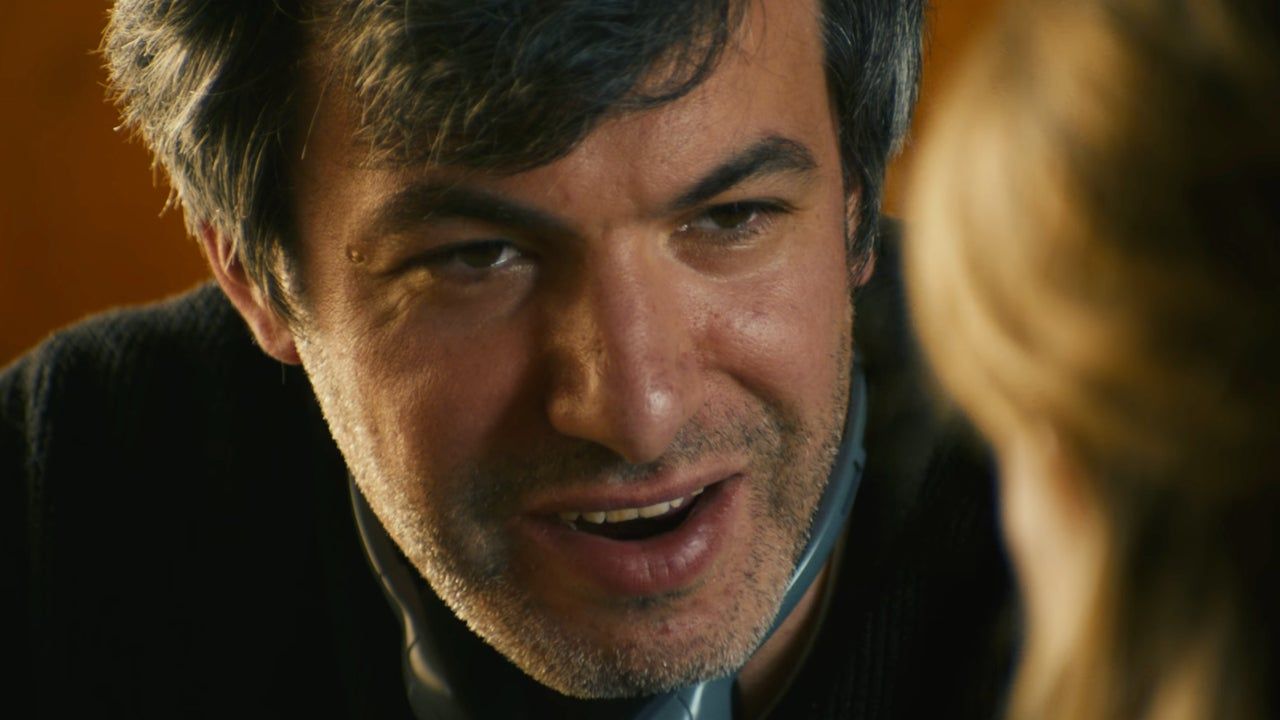
The night the Academy Museum’s David Geffen Theatre flickered to life with Nathan Fielder and Lance Oppenheim’s You Can See Everything was less a premiere and more a confession. In a room packed with Adam McKay, Hannah Einbinder and Aidy Bryant, the two filmmakers stood before an audience that had no idea what the film was about, and they asked the very people who’d watched it to help them decode it. Why? Because even after years of shooting, Fielder admits he still can’t make heads or tails of the story he set out to tell.
When a director asks viewers to “help me understand what I went through,” he’s flipping the script on traditional storytelling. Instead of a polished narrative handed down from the director’s chair, Fielder invites the audience to become part of the creative process. This is not a gimmick; it echoes a broader trend in the creator economy where fans are increasingly co‑authors of content. In the case of You Can See Everything, the audience’s reactions at the Q&Aranging from bewildered silence to bursts of laughterserve as the very feedback loop the film relies on. It’s a meta‑commentary on how we consume biopics: we watch, we interpret, we demand explanation.
The origin story of the documentary is almost as theatrical as the film itself. Oppenheim recounts how a suggestion of “Elizabeth Holmes” from a patron at The Magic Castle sparked the idea. The coincidence that Holmes had recently approached A24 to discuss a documentary about her own downfall added a layer of serendipity that feels almost cinematic. This moment of chancewhere a magician’s suggestion meets a real‑world legal dramamirrors the film’s own blending of spectacle and reality. It also underscores the power of networking in Hollywood: a single suggestion can pivot an entire project’s trajectory.
Despite the buzz, the film remains a puzzle. Fielder’s admission that he still doesn’t fully grasp what he experienced during production is a candid reminder that even the most polished documentaries can leave their creators in doubt. This uncertainty is not a flaw but a feature; it invites viewers to fill in the gaps, to question the reliability of memory, and to confront the idea that the truth of a story is never static. In a media landscape saturated with “reality” content, You Can See Everything challenges the notion that documentaries are purely factual. Instead, it positions itself as a living document that evolves with its audience’s interpretations.
Given the film’s early entry into the awards race and the high‑profile names that attended the screening, I predict it will become a touchstone for future biopics that blend humor with hard‑fact. The industry will likely see more projects that explicitly ask audiences to participate in the storytelling process, blurring the line between creator and consumer. Moreover, the success of this approach could prompt A24 to greenlight more unconventional narratives that rely on audience engagement as a core component.
In the end, the night at the Academy Museum was less about a finished product and more about an ongoing conversation. The film, like its creators, is still in the makingone audience reaction at a time.


