News
Nathan Fielder's Elizabeth Holmes documentary hit with R rating by the MPA
The R rating slapped on Nathan Fielder’s You Can See Everything isn’t just a bureaucratic hiccup; it’s a signal that the American film gatekeepers are still clinging to a moral panic about what a documentary can show. For 13‑year‑old comedy buffs who imagined watching a three‑hour, no‑filter look at the Theranos saga without a parent’s watchful eye, the news feels like a wall of glass. The rating is a blunt reminder that the story they want to consume is still being filtered through a system that equates certain images with immaturity.
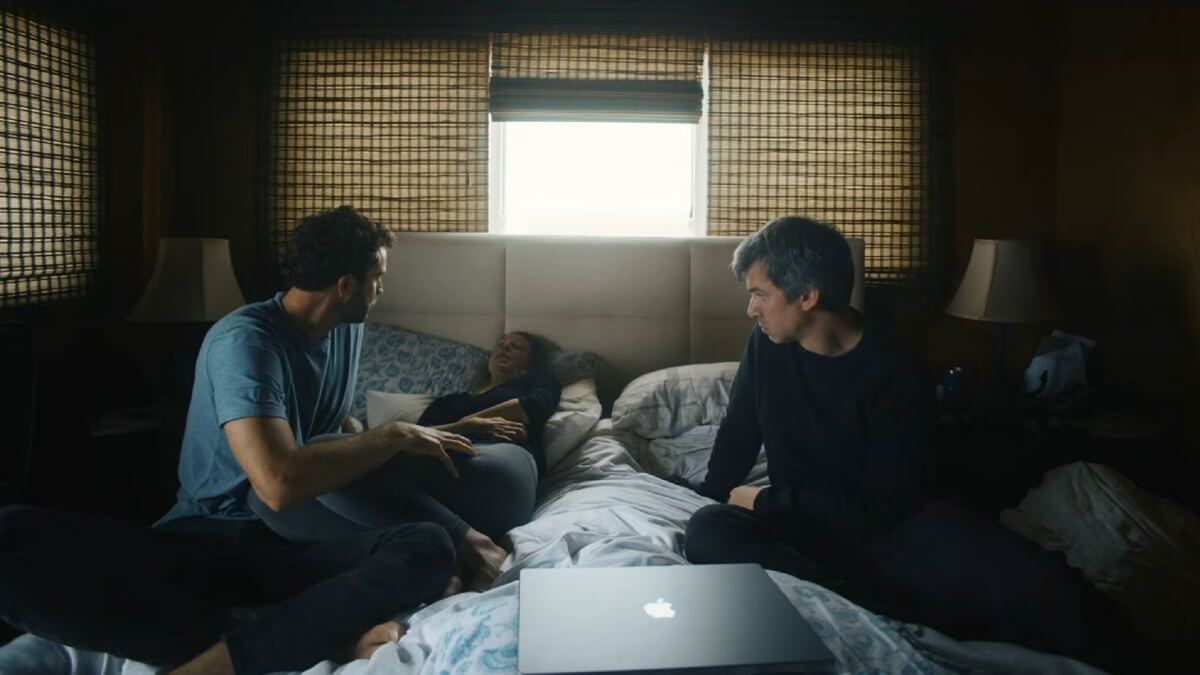
The MPA justified the R with “language and some graphic nudity.” It’s a thin slice of the film’s content that, in the eyes of the rating board, pushes the documentary beyond “family‑friendly” territory. The mention of nudity is a red flag for the MPA, but the more curious part is the reference to a birth scene. The film follows Holmes and her partner, Billy Evans, in the period just after she gave birth to her second child. The rating board’s complaint suggests that even a natural, medical event can be treated as “adult” material. This echoes past controversies where the MPA has been accused of over‑reacting to birth footage, implying that the board’s standards are more about protecting an imagined audience than respecting artistic intent.
Fielder and Lance Oppenheim spent months filming the Holmes family, weaving in their own awkward interactions with the former biotech mogul. Critics at Telluride praised the film for its “complicated relationship with both its famous subject and the truth at large.” Yet the rating decision throws a wrench into that praise. If the documentary’s core is a series of uncomfortable conversations, why does the MPA deem it “graphic”? The answer may lie in the broader cultural war over how we consume scandal. The board’s decision signals a reluctance to let a non‑fiction piece that digs into a woman’s personal lifeespecially a woman who once promised to change the worldbe seen as safe for younger viewers. It’s a subtle, but telling, statement that the MPA is still policing the “truth” of female narratives.
The rating has a tangible impact: it restricts the film’s accessibility. Teenagers who could have watched the documentary in a safe, guided environment now face a barrier that forces them to wait until they’re old enough or to find an alternative viewing method. For the creators, the R rating could dampen box‑office prospects, especially in markets where the film’s release is delayed until October 16. Moreover, the rating may influence how the film is marketed. If distributors pitch the film as “R‑rated documentary drama,” the audience’s perception shifts from a curious, investigative piece to a “tough‑edge” thriller, potentially alienating those who were drawn by the promise of an unfiltered look at a high‑profile scandal.
Given the current climate of media criticism, I predict that the R rating will ignite a vocal backlash from both the documentary community and audiences who see it as an unnecessary gatekeeping tactic. A wave of petitions and social media campaigns could pressure the MPA to reconsider its standards, especially if the film gains traction on streaming platforms where age verification is easier to implement. If the backlash gains enough momentum, the MPA may issue a revised rating or at least provide a clearer rationale for future cases.
The R rating on You Can See Everything is more than a bureaucratic decision; it’s a cultural touchstone that reveals the ongoing struggle over who gets to decide what stories are deemed “adult.” For the young viewers who grew up with Nathan Fielder’s dry humor, this move feels like a gate closing on a story that could have sparked a broader conversation about ambition, deceit, and the limits of ambition in the digital age.


