News
National Dessert Day 2026 deals: Score free deals from The Cheesecake Factory, White Castle, and Baskin-Robbins, and more
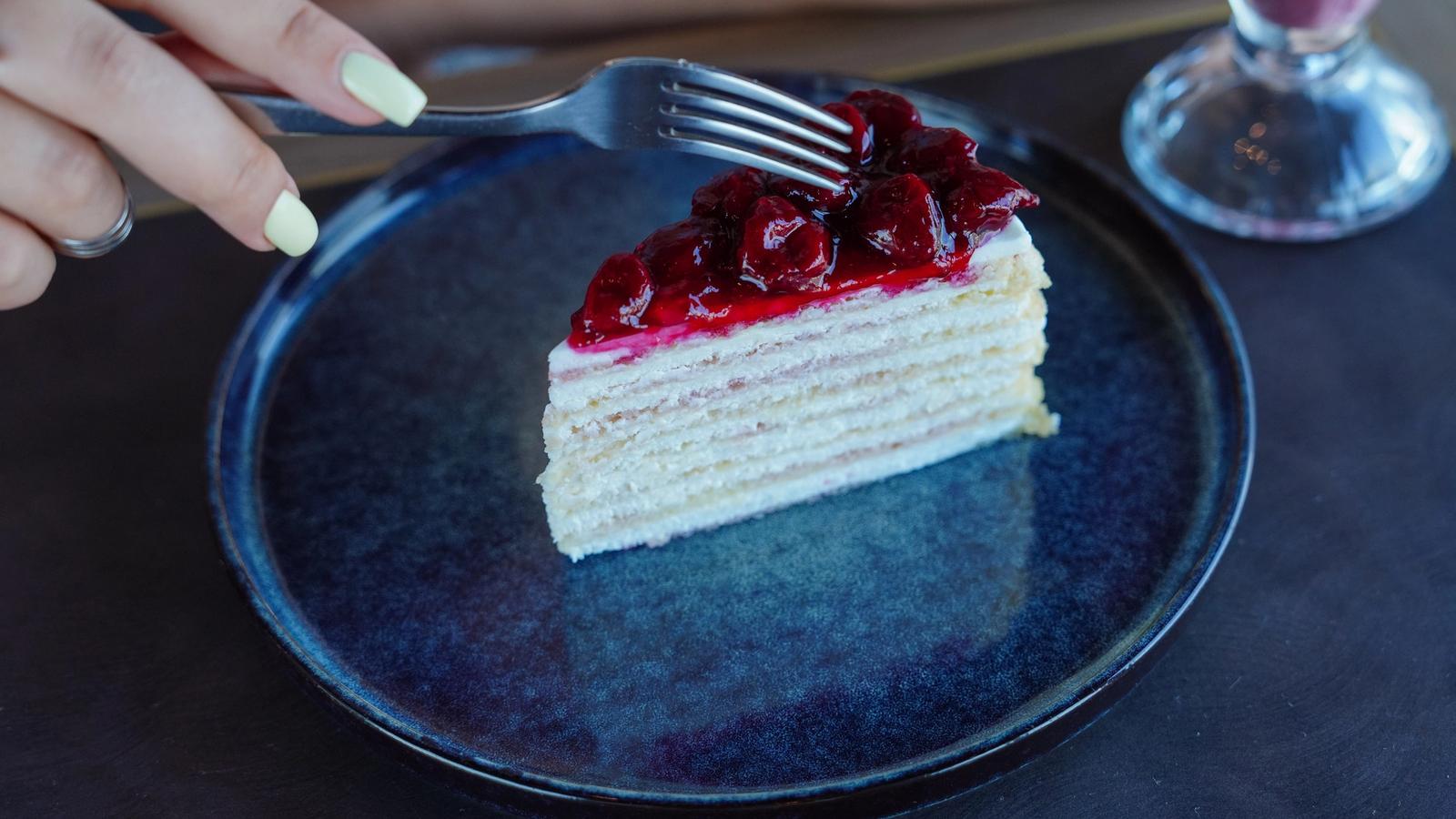
The sweet‑treat industry has turned National Dessert Day into a cash‑flow engine for big brands, and the real winners are the hungry, budget‑conscious shoppers who can snag a free cake or a discounted scoop. On Oct. 14, 2026, the Cheesecake Factory, White Castle, Baskin‑Robbins and a dozen others roll out a parade of freebies that look like a feast but are actually a clever way to drive footfall, boost loyalty points and, ultimately, increase sales of higher‑margin items. The people who get the biggest bang for their buck are the regulars who already patronise these chains, the loyalty‑programme members who can stack offers, and the casual diners who treat a free dessert as an excuse to try a new menu item.
It’s tempting to think that a free dessert is a win for the consumer, but the reality is a calculated gamble. The Cheesecake Factory’s $10 bonus e‑card for every $50 spent on gift cards is a classic bait: customers buy a gift card they might not have used otherwise, then redeem the bonus to get a free dessert. White Castle’s “Dessert‑on‑a‑Stick” is bundled with combo meals, nudging customers to spend more on sides and drinks. The same pattern repeats at Jason’s Deli, McAlister’s Deli, and Tender Greens, where a free dessert is only available after a minimum spend. These conditions turn a “freebie” into a revenue lever, ensuring that the sweet treat is a subsidised perk rather than a genuine gift.
For the everyday eater, the appeal is clear: a free strawberry shortcake with any entrée at Jason’s Deli or a free OREO cake slice from Portillo’s for $1 with a $5 purchase. These offers can tip the scale between dining in or skipping a meal. The limited‑time Pumpkin Spice Cake Pop at MOD Pizza, priced at $2.99, also capitalises on the October‑season hype, drawing in crowds eager to try a seasonal treat. The strategy works because it taps into the human love of novelty and the psychological reward of getting something “free”, a powerful driver of foot traffic that can translate into higher overall sales.
The promotion’s true cost is not the price of the dessert itself but the opportunity cost to the consumer. By tying the freebie to a minimum spend, the brands effectively subsidise a larger purchase. For example, the $30 discount on a first online Kroger order of $75 or more may look generous, but it encourages a higher‑value transaction that includes bulk items the customer might not have bought otherwise. The same logic applies to the $15 mixed‑and‑matched Baskin‑Robbins deal for Rewards members, which pushes customers to buy more than they would have if they were simply buying a single scoop.
Given the success of these multi‑channel offers, I predict that in the next two years we’ll see National Dessert Day extended into the digital realm. Expect more brands to launch “app‑only” dessert coupons, and social‑media‑centric contests that reward users for sharing a dessert photo. The next wave will likely focus on sustainability, with brands offering free desserts made from locally sourced or plant‑based ingredients to appeal to eco‑conscious consumers.
National Dessert Day may look like a sweet holiday, but the real sweetness lies in the strategic play behind every freebie. For the consumer, it’s a chance to indulge; for the brands, it’s a calculated push to increase spend, loyalty and brand visibility. The next time you’re tempted by a free cake, remember that the dessert is just the tip of the iceberg in a larger marketing strategy.


