News
Now that they think about it, Meta and YouTube actually will take money to run Musk doc ads
The headline may sound like a headline‑shop joke, but the reality is that Meta and YouTube are now willing to bankroll ads for Alex Gibney’s documentary Musk.
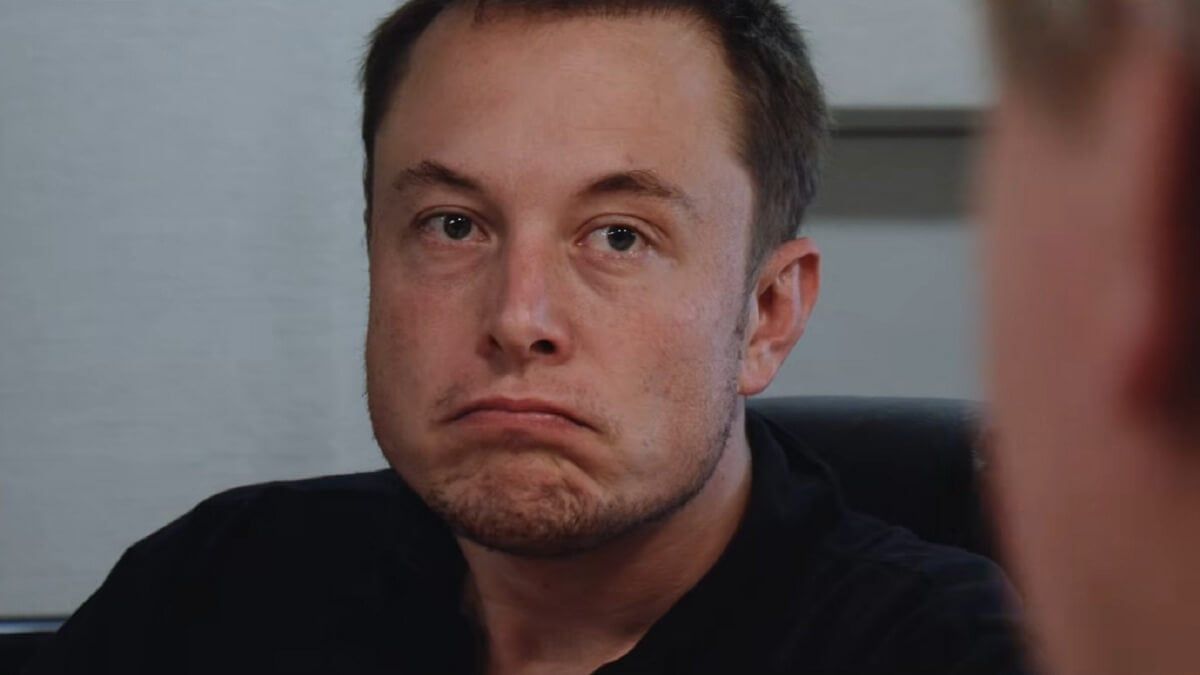
The headline may sound like a headline‑shop joke, but the reality is that Meta and YouTube are now willing to bankroll ads for Alex Gibney’s documentary Musk. The film, a three‑hour expose of Elon Musk’s self‑proclaimed genius, had been barred from paid promotion on both platforms. Now, after a “system error” and a public outcry, the giants have reversed course. The stakes are high for the studio Bleecker Street, the film’s distributors, and for the wider conversation about free speech and corporate gatekeeping on social media.
Meta’s apology was as blunt as it gets: a “whoopsie” and an error. The company’s decision to pull the ads was not a strategic choice but a glitch that the platform’s own systems flagged. The studio’s initial appeal was rejected by “Zuck and Co.”, only to be overturned after Bleecker Street publicly highlighted the issue in outlets like TechCrunch. This back‑and‑forth shows how corporate ego can override policy and how public pressure can force a correction. Meta’s willingness to pay for the ads now is a concession that the platform’s internal processes failed to distinguish between a legitimate film and a political attack.
YouTube’s narrative was similar: a “temporary restriction” by the system that was cleared after review. The platform’s silence on the matterespecially from Musk’s own Twitterhighlights a double standard. While the tech giants are correcting their mistake, Musk’s own social media arm remains unmoved, suggesting a selective application of policy when it comes to content that could tarnish his image. The fact that TikTok also stayed silent adds to the perception that the industry is more comfortable protecting powerful figures than upholding a consistent standard of free expression.
This episode is not an isolated incident; it is a microcosm of the broader tension between creators and the platforms that host them. When a documentary that critiques a tech mogul is blocked from paid promotion, it sends a chilling message to independent filmmakers. The reversal, however, indicates that platforms are not immune to backlash, especially when the public perceives a double standard. The industry must ask whether these “system errors” are genuine or merely a convenient excuse to avoid confrontation with powerful individuals.
Given the swift reversal, I predict that platforms will implement stricter internal review protocols for content that could be perceived as politically charged. This will likely involve clearer guidelines and a more transparent appeals process. The next wave of policy changes will probably see a shift from reactive corrections to proactive safeguards, as platforms recognize that public trust is more valuable than a single ad revenue stream.
The irony is that the very systems designed to protect user experience are now the source of controversy. The lesson for creators is simple: never assume that a platform will automatically support your content, especially when it challenges a titan of the industry. The fight for fair treatment continues, and the next chapter will be written on the same platforms that once silenced the story.


