News
'One of the year's best TV shows' axed after just one season
The first episode of Ride or Die opened on a quiet London street, where Hannah Waddingham’s character, Judith, sits at a café, laughing with her best friend Octavia Spencer’s Debbie.
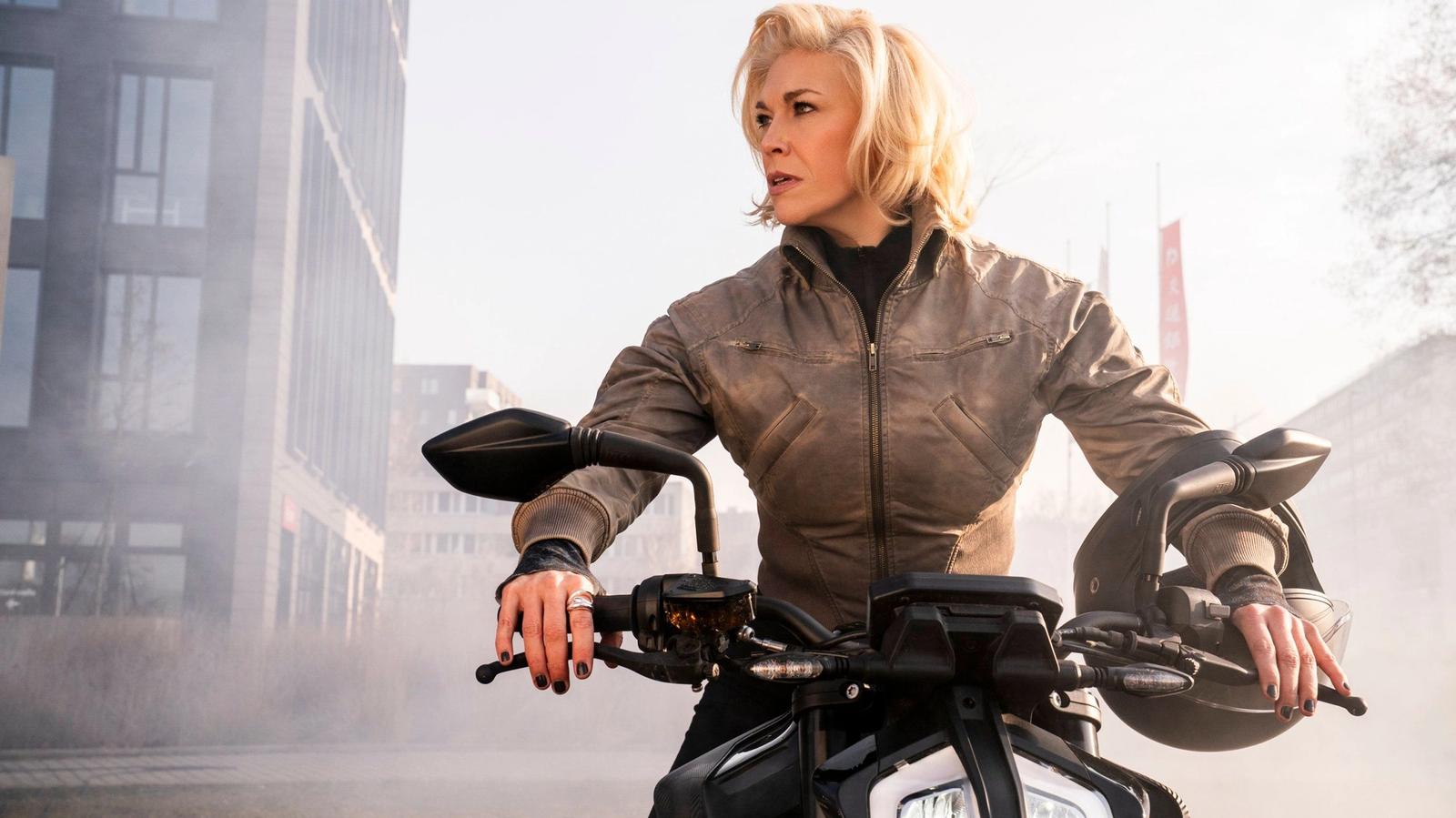
The first episode of Ride or Die opened on a quiet London street, where Hannah Waddingham’s character, Judith, sits at a café, laughing with her best friend Octavia Spencer’s Debbie. The laughter is cut short when Debbie discovers a hidden dossier on Judith’s phoneproof that her friend is a globe‑trotting assassin. The scene is a quiet, almost domestic moment that turns into a high‑stakes thriller the next minute, and it sets the tone for a show that would blend pulse‑pounding action with a surprisingly sharp sense of humor.
When Judith’s double life is revealed, the chemistry between Waddingham and Spencer is palpable. The two actresses trade witty banter while the stakes rise, as an international crime syndicate begins to hunt Judith. The show’s early episodes balance the tension of a thriller with the warmth of a friendship, a combination that earned praise from critics and viewers alike. Sabrina Barr of Metro called it “the most fun I’ve had watching a TV show in ages,” a sentiment echoed by many fans who saw the duo’s dynamic as the heart of the series.
Ride or Die quickly climbed the charts. It held the top spot among Prime Video original series worldwide for three weeks and topped the American list, surpassing Masters of the Universe. Within its first fourteen days, it became Amazon’s most‑watched new scripted series. Rotten Tomatoes gave it a 96% fresh rating, with users awarding an 85% score. These figures illustrate a clear appetite for the show’s unique blend of genres, yet the numbers alone did not secure its future.
According to Deadline, Amazon’s decision to cancel the series hinged on its perceived demographic focus. The network described the show’s appeal as “middle‑aged women,” a segment it deemed “not very desirable” for executive decision‑makers. The logic, as reported, was that many middle‑aged women already subscribe to Prime for shopping, offering little incentive to attract new users. This assessment, however, overlooks the broader cultural impact of a strong female‑led action series and the growing demand for diverse storytelling in mainstream media.
When the cancellation news spread, social media erupted. Reddit users like The_Iceman2288 lamented the loss, praising the show’s “impeccable straddling of multiple genres.” Others, such as Lostryu and rb2m, expressed disbelief, noting how well the series performed on Amazon. Skyconic and Regular‑Barnacle8158 voiced disappointment, hoping the show might find a new home on another platform. The outcry underscores how deeply viewers had connected with the characters and the narrative.
As a writer who follows the creator economy across continents, I see this as a reminder that commercial success does not always translate into longevity. The decision to axe a hit series raises questions about how streaming giants balance audience metrics with creative diversity. It also highlights the precarious position of female‑centric stories in a market that still prioritizes certain demographics over others.
Looking ahead, the fate of Ride or Die will likely hinge on whether another platform recognizes its value. If a new home is found, the series could continue to resonate with audiences who crave stories that defy genre conventions and celebrate authentic friendships. Until then, the abrupt end of a show that once captured the imagination of millions serves as a cautionary tale for the industry’s evolving priorities.


