News
ORÍKÌ Goes Global: Wellness Group Opens In Abu Dhabi Marking Its Fourth Country
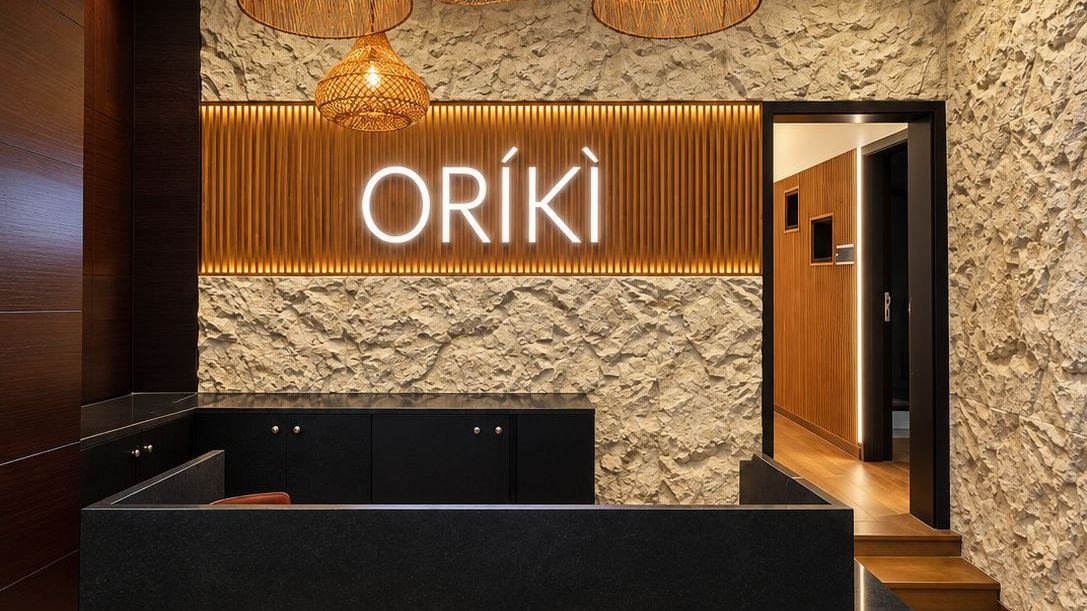
The first time an African wellness brand opened a spa in the world’s most demanding luxury market, the people it really matters to are the women in Lagos, Nairobi and Kampala who have been waiting for a consistent, high‑end experience, and the new clientele in Abu Dhabi who will see a fresh standard of service. When Joycee Awosika says the group has “built on systems and structures” for a decade, she is talking about the very people who book, train, and sell at every location. Their trust is the real currency of this expansion.
Abu Dhabi’s Al Wahda Mall is not a random venue; it is a symbol of the UAE’s luxury benchmark. Choosing this spot signals that ORÍKÌ believes its standardized delivery can compete with the world’s best. The decision is not a gamble; it is the culmination of a decade of vertical integrationspa, retail, on‑demand services, training, and manufacturing. The brand’s own Training Institute ensures that every therapist, from Lagos to Abu Dhabi, speaks the same language of quality. This is why the founder can confidently claim that the “standard doesn’t change” across continents.
Most wellness brands that leave Africa do so as a single flagship, often losing their local edge in the process. ORÍKÌ flips that script. Its growth from a single spa to 16 locations across four countries shows a model that scales without diluting service. The UAE market, known for high consumer expectations, becomes a proving ground for African operational excellence. If the brand can win over Abu Dhabi’s discerning clientele, it will demonstrate that African‑born standards can rival, even surpass, those born in the West.
Everyone’s praising the expansion, but let’s be honest: many African businesses that move overseas fall into the trap of “export‑first” thinkingleaving their home markets to chase foreign prestige. ORÍKÌ is different. Its expansion is a strategic move that strengthens its home base by bringing back new skills, technologies, and capital. The UAE opening will likely feed back into the Training Institute, creating a cycle where local talent is groomed to international standards and then reinvested in African cities. This reverse‑flow model could redefine how African wellness brands think about global growth.
Within the next two years, ORÍKÌ will probably open a second UAE location, possibly in Dubai, and start franchising its Training Institute to other Gulf states. If it does, the brand will become a blueprint for African wellness firms targeting the Middle East, proving that a decade‑long, vertically integrated approach can outpace the traditional fast‑franchise model.
The opening of ORÍKÌ in Abu Dhabi is not just a new spa on a mall floor; it is a statement that African wellness can set global standards, and that the continent’s entrepreneurs are ready to compete on the world stage.