News
Phoebe Bridgers explains why 'Lost Weekend' took "forever" to make: "I didn't love all parts of being away"
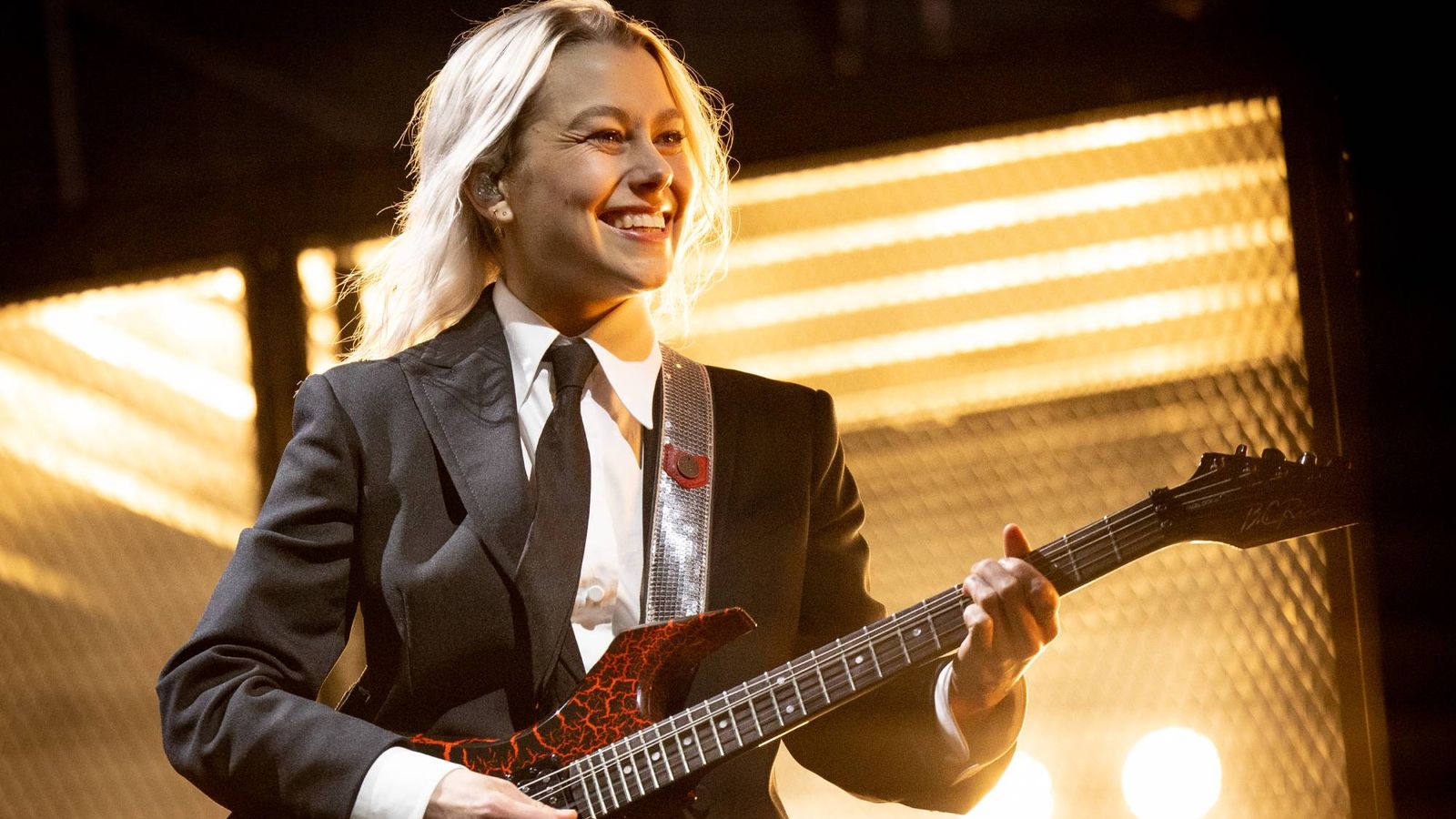
Phoebe Bridgers' highly anticipated album Lost Weekend finally dropped on August 14, ending a six-year wait since her last solo record, Punisher, in 2020. But what's striking about Bridgers' journey to this moment is not just the music itself, but the human cost of her creative ambition. In a recent fan Q&A at a rollerskating listening party in Glendale, California, Bridgers revealed that she didn't initially intend for the gap between records to be so long, confessing, "I didn't love all parts of being away."
Bridgers' admission raises questions about the uncertain art of timing in the music industry. With the constant pressure to produce and release new content, artists often find themselves juggling multiple projects, only to put them on hold indefinitely. Bridgers' experience is evidence of this dilemma, as she repeatedly booked studio time, only to cancel and start anew. This back-and-forth process took its toll, with Bridgers ultimately taking six months off before returning to the studio.
Lost Weekend's long gestation period is a reminder that creative perfection is a myth. Bridgers' willingness to take risks and experiment, even if it meant putting off the album's release, has resulted in a stunning and stirring opus. The album's credits list a slew of collaborators, including her Boygenius bandmates Lucy Dacus and Julien Baker, as well as Conor Oberst and Jack Antonoff. This eclectic mix of talent has created a unique sound that is both personal and universally relatable.
Bridgers' approach to promoting Lost Weekend has been characteristically low-key. Instead of traditional interviews and publicity stunts, she has opted for intimate listening parties and phone-free pop-up shows. This deliberate pace has allowed fans to experience the album in a more organic way, as if it were happening in real life. By doing so, Bridgers has created a sense of anticipation and community around the album's release, making it feel more like a shared experience than a commercial event.
Lost Weekend's CD edition includes a hidden track, Best Dressed, featuring former Black Country, New Road singer Isaac Wood. This discovery has sparked speculation among Bridgers' fans, with some believing that the track was intentionally concealed to add an air of mystery to the album. Similarly, the song The Governor's Waltz has been subject to interpretation, with some fans speculating that it was written about Bridgers' former relationship with a certain individual.
As Bridgers embarks on a new chapter in her career, it's clear that she will continue to push the boundaries of her art. With Lost Weekend's unique blend of experimentation and intimacy, it's likely that she will attract a new wave of fans who appreciate her willingness to take risks. Bridgers' music has always been a reflection of her personal experiences and emotions, and it's this authenticity that has endeared her to fans worldwide. As she looks to the future, one thing is certain: Phoebe Bridgers will continue to create music that is both deeply personal and universally relatable.
Phoebe Bridgers' return to the music scene is not just a celebration of her artistry, but also evidence of her resilience and determination. As she continues to evolve and experiment, it's clear that her music will remain a source of inspiration and comfort for fans around the world. With Lost Weekend, Bridgers has proven that even the most uncertain and imperfect creative journeys can lead to something truly extraordinary.