News
Questlove on the History of Sampling, From Public Enemy to Today: 'I See AI as a Parallel to Sampling Culture'
Questlove’s take on sampling is less about nostalgia and more about the future of creativity.
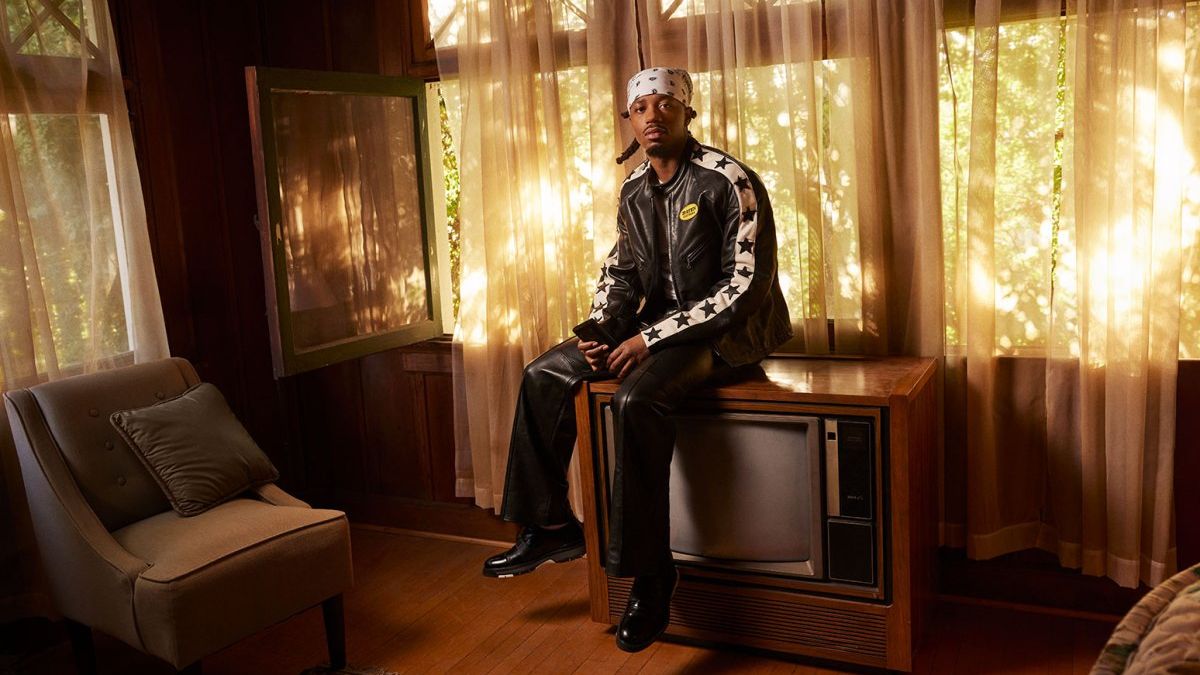
Questlove’s take on sampling is less about nostalgia and more about the future of creativity. The drummer‑turned‑archaeologist of hip‑hop argues that the way we remix the past will shape how AI writes music tomorrow. For the millions of Nigerian beatmakers who lift a James Brown break and splice it into a Lagos‑based trap track, the lesson is clear: ownership is a moving target, and the tools we use are expanding faster than the law can keep up.
Back in the late 80s, The Roots, Questlove’s own band, could drop a sample on a track and hope nobody noticed. Questlove recalls that era as “the Wild West for the practice,” where no one policed the soundscape. That freedom, however, was short‑lived. The Biz Markie lawsuit in 1991 shattered the informal code and ushered in a litigious era that turned sampling into a costly gamble. For Nigerian producers, this shift meant that the same legal maze now blocks access to classic records, forcing them to hunt for royalty‑free or newly licensed samples. The lesson: legal frameworks evolve faster than creative communities, and the latter must adapt or die.
Questlove frames a sample as a “metaphorical protest against time moving forward.” A record captures a moment and refuses to fade, letting new artists breathe fresh life into it. In Lagos, the same logic drives the “remix culture” that thrives on platforms like YouTube and TikTok. When a 90s Afrobeat groove is lifted into a contemporary dance track, it resists the erasure of history. The community aspectwhere multiple hands shape a piecemirrors the collaborative ethos of The Roots, who themselves have been sampled by artists like Drake and Kendrick Lamar. This reciprocity shows that sampling is not theft but a dialogue across generations.
Questlove sees generative AI as a parallel to sampling culture, but with a twist: the “creator” is a machine. AI can churn out riffs that mimic James Brown’s horn stabs or Kraftwerk’s synth patterns without ever touching the original master. This democratizes access but also raises questions about authenticity and ownership. In the Nigerian context, AI could enable home‑studio producers to bypass the cost of licensing and produce high‑quality tracks on a shoestring budget. Yet the same technology risks homogenising sound, eroding the uniqueness that made sampling revolutionary. The risk is not just legal; it’s cultural.
While AI opens doors, it also threatens to flatten the sonic diversity that defined early hip‑hop. Questlove warns that if everyone relies on the same AI‑generated templates, we lose the “vibration” that makes sampling a communal act. Nigerian producers might find themselves trapped in a cycle of remixing AI‑generated loops rather than crafting original beats. The danger lies in the market’s tendency to favor the easiest, cheapest pathAI‑generated samplesover the painstaking art of finding and recontextualising a rare vinyl cut.
I predict that by 2030, the most successful African producers will be those who blend AI‑generated motifs with live, hand‑sampled elements. Questlove’s emphasis on community and protest suggests that authenticity will trump convenience. In Nigeria, this means a resurgence of vinyl culture, where beatmakers trade rare records in Lagos nightclubs to fuel their AI‑enhanced productions. The hybrid model will keep the spirit of sampling alive while embracing the efficiencies of technology.
The next wave of sampling will not be a return to the Wild West, but a new frontier where human creativity and machine learning co‑create. For the Nigerian and African music scenes, the challenge is to harness AI without surrendering the communal, rebellious soul that made sampling a cultural revolution. The clock is ticking, and the next beat could either be a remix of the past or a brand‑new creation born from the future.


