News
Right-Wing Livestreamer Clavicular Faces Rape and Drugging Charges Involving Minor | Report
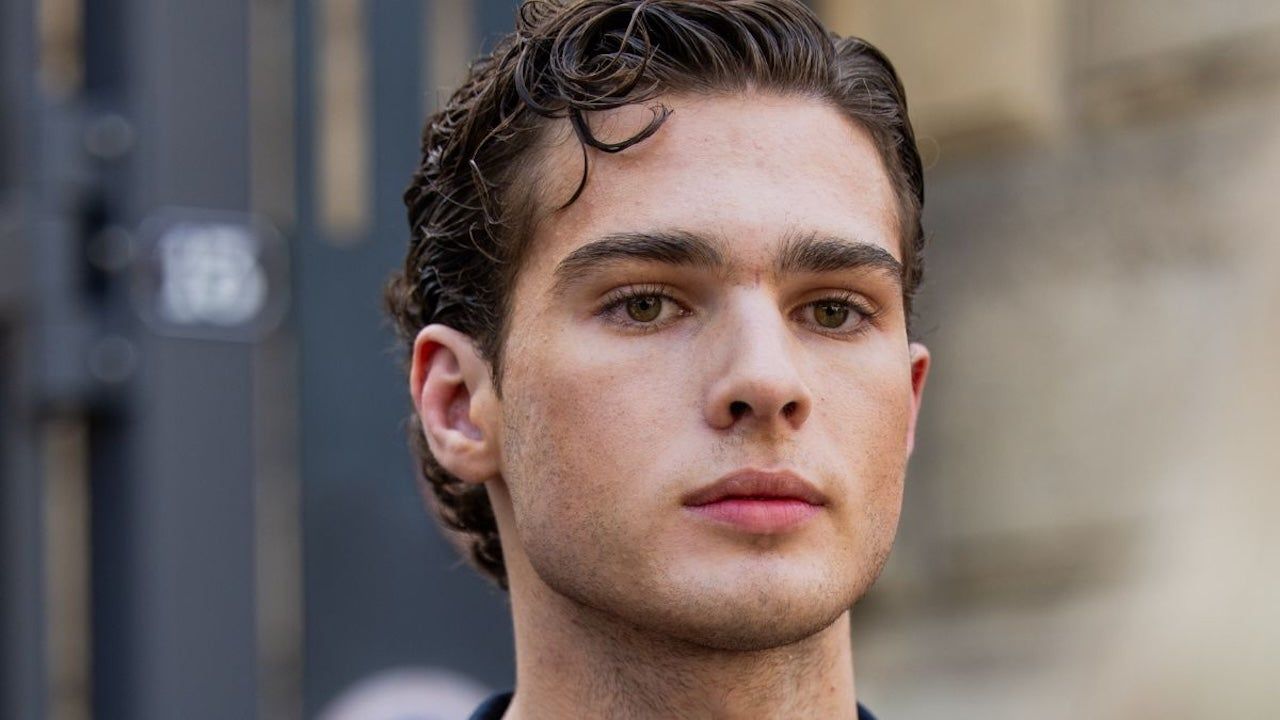
In a Cape Cod courthouse on September 8, a man known online as Claviculara right‑wing livestreamer who has built a following around the Looksmaxxing trendwas formally charged with rape, drugging a person for sex, and providing alcohol to a minor. The court papers were filed in a small town that has never been a backdrop for a celebrity scandal, yet the case has already taken on a life of its own on social media and in the press.
The charges came a few days after The Bulwark released a report detailing the accusations. The report notes that the charges were filed in a Cape Cod courthouse, but Clavicular’s attorney told TheWrap that the influencer had not yet been arrested and that the report was “overblown.” The livestreamer, who has spent the last month on a whirlwind media tour in Los Angeles, has never set foot on Cape Cod this month, according to his lawyer. “We appreciate TheWrap for fact‑checking,” the attorney added, framing the allegations as exaggerated.
These charges arrive almost five months after Clavicular was sued in Miami-Dade County by Aleksandra Vasilevna Mendoza, a former influencer who was 16 at the time of the alleged incidents. Mendoza’s lawsuit, filed in April, accuses Clavicular of battery, intentional infliction of emotional distress, fraud, and the unauthorized publication of her name and likeness. She claims that in 2025when she was still a minorClavicular paid her $1,000 to film content with him, intending to make her the female face for the Looksmaxxing movement. Mendoza alleges that after creating several videos, Clavicular arranged an Uber to take her to his parents’ home in Cape Cod, where she says she was given alcohol and later sexually assaulted. She also says that on other occasions he offered her drugs and alcohol.
Clavicular’s legal team has repeatedly denied the allegations, calling them “unproven” and “petty.” In a series of posts on X, the influencer dismissed the lawsuit as “seriously petty” and accused “people” of trying to “come for your money.” He framed the accusations as a “greed” tactic, suggesting that the lawsuit was a ploy to undermine his success.
The Looksmaxxing trend, which encourages users to enhance their appearance through grooming, fashion, and sometimes medical procedures, has become a cultural touchstone for many young people who feel pressured to meet unrealistic beauty standards. Clavicular’s prominence in this niche has made him a polarizing figure: some view him as a provocateur who pushes boundaries, while others see him as a dangerous influencer who exploits vulnerable followers. The allegations against himespecially those involving a minorstrike at the heart of a broader debate about online influence, consent, and the responsibilities of public figures.
The arraignment is set for October 14, giving Clavicular a little over a month to prepare a defense. The case will unfold in a jurisdiction far removed from the Los Angeles media circuit where the influencer has been most active, adding an extra layer of complexity. If the charges are upheld, the potential penalties could include significant prison time, probation, and a permanent record that would likely end his online career. The lawsuit from Mendoza, meanwhile, remains pending; its outcome could further compound the legal and reputational damage.
From my perspective, this case underscores how quickly an online persona can be thrust into a legal quagmire when allegations of abuse surface. The narrative that follows is rarely linear; it is shaped by the interplay of public perception, media framing, and the slow machinery of the courts. As a writer who follows the creator economy, I am reminded that the digital stage is not immune to the laws that govern our physical world, and that the weight of those laws can be felt even in the most unexpected places.
The next few weeks will reveal whether Clavicular’s story is one of a misunderstood influencer or a cautionary tale about the limits of online fame. The courtroom will decide the legal truth, but the cultural conversation will likely outlast the verdict, influencing how future creators navigate the fine line between influence and exploitation.


