News
RJ Mitte, 'Breaking Bad' Star, Dies at 34
RJ Mitte, who portrayed Walter White Jr. on the acclaimed AMC drama Breaking Bad, passed away on Monday at the age of 34.
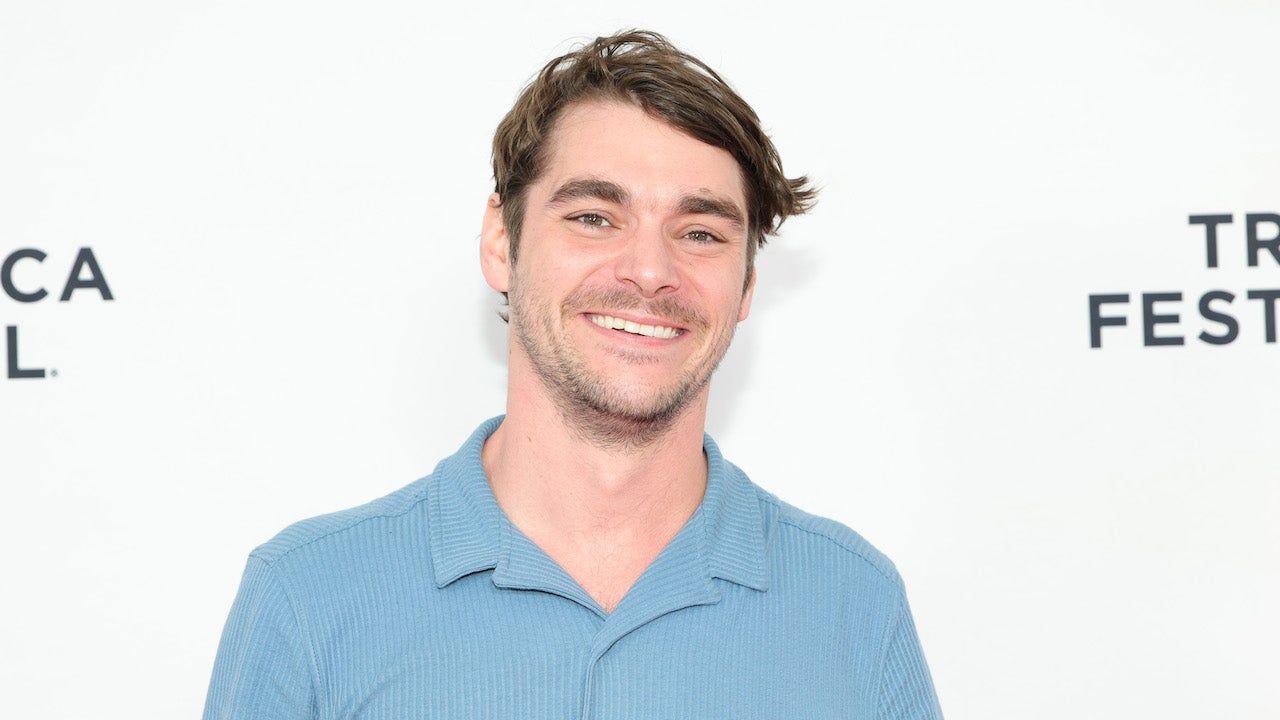
RJ Mitte, who portrayed Walter White Jr. on the acclaimed AMC drama Breaking Bad, passed away on Monday at the age of 34. The actor’s death echoes the character he brought to lifeboth men share a diagnosis of cerebral palsy. The news arrived as a quiet, almost unmarked moment in the entertainment world, a stark reminder that the stories we watch can mirror our own lived realities.
The first time a young man with cerebral palsy stepped into the world of television, it was on the set of Breaking Bad in Albuquerque. The set, usually a backdrop for high‑stakes crime drama, became a place of genuine representation when RJ Mitte arrived. He joined the cast in the pilot, a role that would span all five seasons. The writers and producers, led by Vince Gilligan, crafted a character whose physical condition was never a plot point but a natural part of his life, mirroring Mitte’s own experiences.
Mitte’s portrayal of Walter White Jr. Was more than a supporting character; it was a living testament to the possibility of inclusion in mainstream media. By embodying a young man who navigated the world with cerebral palsy, he challenged stereotypes and opened doors for audiences to see people with disabilities as fully realized characters. The authenticity he brought was rooted in his own daily challenges and triumphs, allowing viewers to connect with a character that felt real rather than performative.
When the cameras stopped rolling, Mitte didn’t step away from the spotlight. He became a philanthropist and disability rights advocate, founding The Mitte Foundation to support community initiatives and charitable causes. His ambassadorships extended to United Cerebral Palsy and Shriners Children’s, and he served as a Screen Actors Guild spokesman for actors with disabilities. In 2013, he received the SAG‑AFTRA Harold Russell Award, recognizing his contribution to raising awareness of the disability experience through media. That honor, named after the first actor with a disability to win an Oscar, underscored Mitte’s impact beyond his on‑screen work.
Mitte’s career also included recurring roles in Switched at Birth and a main part in The Guardians of Justice, as well as film appearances in Standing Up for Sunny, The Oak Room, and Triumph. Each project carried the same thread: a commitment to authentic representation. His work reminded us that inclusion is not a token gesture but a sustained effort to reflect the diversity of human experience.
As I walked past a dimly lit studio lot in Los Angeles, the silence felt heavy. The absence of a familiar face on the set of a show that once seemed like a distant dream was palpable. The industry, which often celebrates its own, now faces a moment of reflection. The loss of a young actor who had already carved a niche in advocacy and representation forces us to ask: how many more stories are waiting for someone to step into them?
The passing of RJ Mitte signals an end to a chapter of progress in disability representation, yet his legacy will likely inspire future actors and creators. In a world where visibility matters, his life reminds us that talent and authenticity can bridge gaps that once seemed insurmountable. The next time a screen lights up with a new character, may it echo the quiet strength that RJ Mitte carried both on and off the stage.


