News
RJ Mitte said he paid more in taxes than he earned on Breaking Bad months before his death
RJ Mitte, the young actor who brought Walter White Jr. To life on Breaking Bad, confessed that the hit series left him in debt rather than wealth.
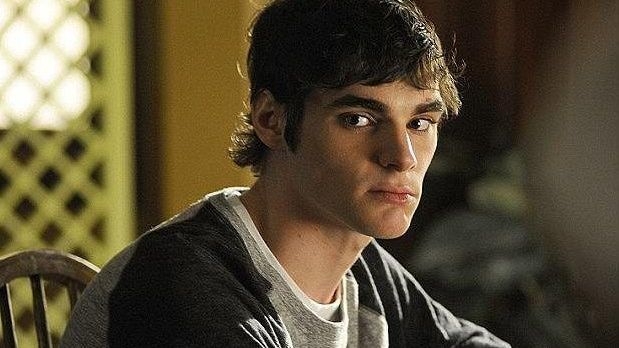
RJ Mitte, the young actor who brought Walter White Jr. To life on Breaking Bad, confessed that the hit series left him in debt rather than wealth. In a November interview that resurfaced months before his death at 34, he admitted he paid more in taxes than he earned from the show. The revelation hits hard because it exposes the stark reality that even cultural icons can be financially squeezed by the very projects that make them famous.
Mitte’s story is not about a single episode; it’s about a five‑season career that, despite topping the New York Times list of the best shows of the 21st century, never paid its actors a living wage. He was paid the Screen Actors Guild minimum for the pilot, a figure that barely covered his taxes. “Not even close. I’ve paid more in taxes than I got from Breaking Bad,” he told The Iced Coffee Hour podcast. That blunt confession is a wake‑up call for anyone who assumes that being part of a hit automatically guarantees financial security.
The paradox deepens when we consider the streaming boom. Bryan Cranston, Mitte’s co‑star, noted that the show “did not have the viewership until streaming. That was our big moment, when streaming came in and people binge‑viewed Breaking Bad.” Yet streaming has not translated into residual checks for the actors. “Streaming is good for the networks themselves, but as for the artists, you’re kind of getting the minimum,” Mitte said. The platform that turned a modest‑budget drama into a global phenomenon has, paradoxically, become a financial dead end for its performers.
Mitte’s early career was protected by a Coogan Account, a trust that safeguards a minor’s earnings. He revealed that even with that safety net, his account was “not even close to triple digits.” The implication is clear: the money he earned as a teenager was insufficient to build a financial cushion for adulthood. He had to “pay to keep his career going,” hiring a “big team” to manage his finances and career trajectory. The reality of a child actor’s earnings being siphoned away by taxes and management fees is a sobering reminder that the entertainment industry’s glamour often masks a grind that can leave even the most celebrated performers in debt.
Mitte’s role as Walter White Jr. Was more than a job; it was a platform for disability advocacy. Diagnosed with cerebral palsy, he used his visibility to champion disability rights. Yet the financial strain he endured undermines the message that representation can be empowering. If a person with a disability is forced to sacrifice his own financial well‑being to stay in the industry, the industry’s commitment to diversity is called into question. The fact that he had to “pay to keep his career going” while also fighting for a more inclusive media landscape highlights a systemic flaw: the very stories that break barriers are not always compensated fairly.
Mitte’s experience is not an isolated incident. Across Hollywood, actors on shows that later become streaming juggernauts often find that residuals lag behind the revenue generated by platforms like Netflix or Amazon Prime. The industry’s residual model, designed for a different era, fails to keep pace with the digital age. When a show’s streaming popularity is funneled into the network’s coffers, the actors who brought the story to life receive a fraction of the benefit. This mismatch between creative labor and financial reward is a systemic issue that needs urgent reform.
I predict that within the next two years, pressure from actors’ unions and public scrutiny will force streaming services to renegotiate residual structures. If Breaking Bad’s legacy is any indicator, the industry will eventually have to align the financial rewards of streaming with the creative contributions of its talent. Until then, actors like RJ Mitte will continue to bear the brunt of an inequitable system.
The story of RJ Mitte reminds us that fame does not guarantee fortune. It forces us to confront the uncomfortable truth that the entertainment industry still rewards its most iconic shows while leaving its performers in debt. The conversation must shift from celebrating cultural milestones to ensuring that those who create them are paid what they deserve.


