News
Roger Waters hits back at "complete prick" James Hetfield after Metallica frontman's statement on music and politics
Roger Waters, the former Pink Floyd frontman, has taken a swipe at Metallica’s James Hetfield after the thrash‑metal icon’s recent stage comments in Las Vegas.
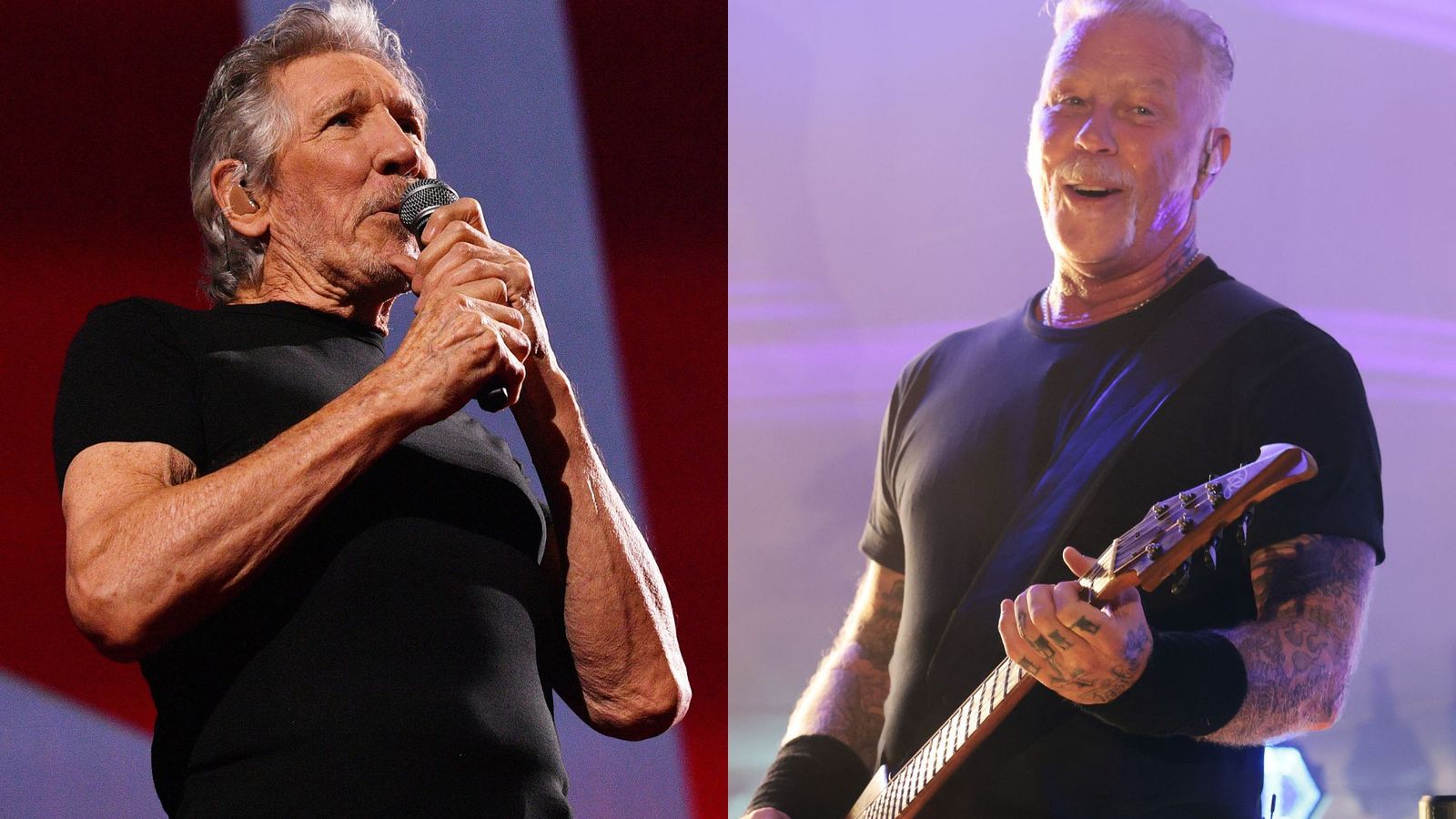
Roger Waters, the former Pink Floyd frontman, has taken a swipe at Metallica’s James Hetfield after the thrash‑metal icon’s recent stage comments in Las Vegas. Hetfield, who urged fans to “forget about all the outside shit” and reject “bullshit” agendas, was quickly met with Waters’ blunt retort: a “complete prick” with an IQ of about three. The clash is not just a celebrity spat; it exposes a deeper rift between artists who see music as a vehicle for political discourse and those who view it as pure escapism.
During Metallica’s residency at the Las Vegas Sphere, Hetfield thanked the audience and declared that the band’s purpose was “love, energy and heavy music, baby!” He steered clear of naming any political figures, but fans speculated his remarks were aimed at artists like Macklemore, Hayley Williams, or Tom Morello, all of whom have used their platforms for activism. Hetfield’s stance echoes a long‑standing tradition within heavy‑metal circles: the belief that the music should be a refuge, not a lecture hall. Yet his comments were perceived by some as a veiled critique of politically engaged musicians, sparking a defensive response from Waters.
On Katie Halper’s podcast, Waters dismissed Hetfield’s comments with a flippant “I’m so bored with him.” He went further, calling Hetfield a “nobody” and insulting his intellect. This reaction is emblematic of Waters’ own history of politicising music; he has long championed art as a tool for social change. By attacking Hetfield, Waters is essentially accusing him of diluting the power of music to confront real‑world issues. The exchange underscores a generational divide: Waters, who famously used Pink Floyd’s platform to protest war and injustice, now finds himself at odds with a band that has largely stayed apolitical.
At its core, this feud is about how fans experience concerts. For those who attend Metallica shows, the promise is a sonic escape from the daily grind. For Waters’ followers, the expectation is that music will challenge them to think critically about society. The clash forces both camps to confront their own expectations: Is it the artist’s duty to educate, or is it the audience’s choice to engage? The argument also highlights the commercial realities of touring. Hetfield’s emphasis on “forgetting about outside shit” may be a strategic move to keep ticket sales high, while Waters’ critique could alienate fans who prefer a more activist stance.
Conventional wisdom would have the audience side with the more outspoken, politically engaged artist. Yet the reality is that many Metallica fans appreciate the band’s apolitical stance precisely because it offers a respite from the noise of politics. Waters’ attack, therefore, risks alienating a segment of the audience that values music as a sanctuary. This is not a simple win‑lose scenario; it’s a nuanced debate about the role of art in a hyper‑connected world where every lyric can be dissected for its political implications.
If this back‑and‑forth continues, I predict that future tours will see a clearer delineation between “political” and “non‑political” acts. Artists who wish to engage in activism will likely carve out their own niche, while those who prefer to stay neutral will emphasize the escapist qualities of their performances. This bifurcation could reshape the concert landscape, with fans choosing shows that align with their personal ethos.
The Waters‑Hetfield spat is more than a celebrity feud; it’s a mirror reflecting the broader tension between art as activism and art as entertainment. While Hetfield’s “no bullshit” promise appeals to those craving a break from politics, Waters’ critique reminds us that music canand often doesserve as a catalyst for change. The real question is: will fans prioritize escape or engagement in the years to come? The answer may well determine the future trajectory of live music worldwide.


