News
Selma Blair shuts down 'outrageous' claims about her illness after plane arrest
Selma Blair’s name lit up social feeds the moment a Delta flight turned from a routine trip to a courtroom drama.
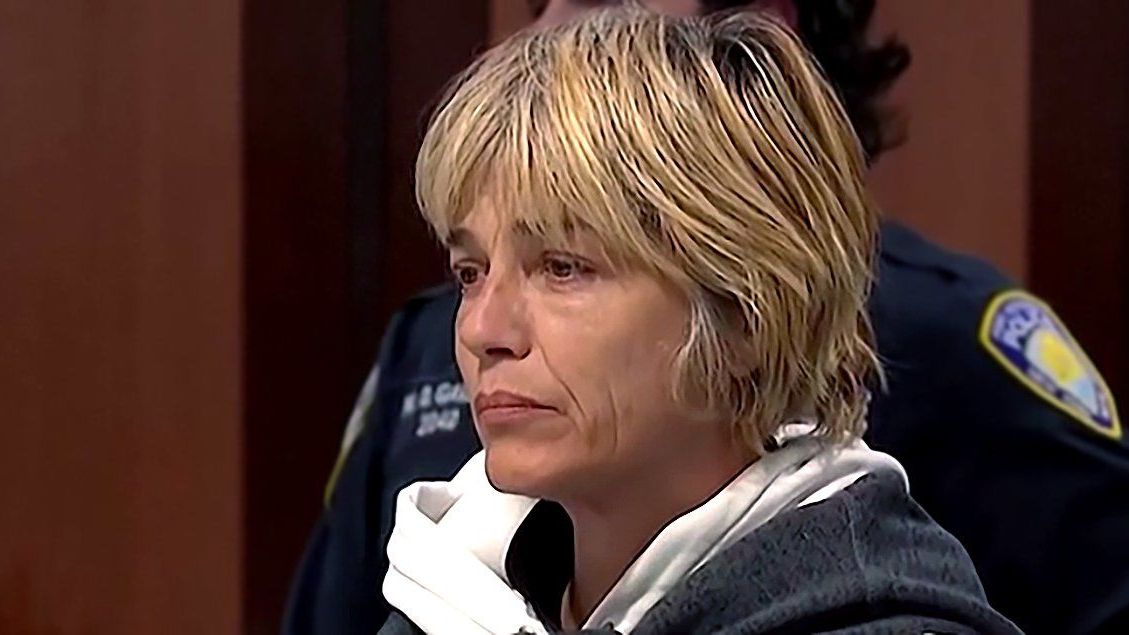
Selma Blair’s name lit up social feeds the moment a Delta flight turned from a routine trip to a courtroom drama. The 54‑year‑old actress was hauled onto the tarmac in New York after an alleged scuffle that left a cabin crew member wounded and a flight attendant in hospital. The headlines screamed “bites crew, tries to open door,” but the story that unfolded was far more layered than the tabloids suggested.
On a late‑afternoon flight to New York, Blair was reportedly seized by a sudden medical episode. The incident began when she allegedly bit a cabin crew member and, according to police reports, another passenger. An injured flight attendant was rushed to the nearest hospital, and Blair herself was taken for evaluation. The FBI stepped in, and a criminal court affidavit later claimed she had kicked a police officer and a nurse in the chest. The next day, she pleaded not guilty to two counts of second‑degree assault and posted $20,000 in bail.
In the wake of the chaos, Blair’s representatives issued a statement that felt like a lifeline. They said the actress had suffered a medical emergency on the flight and that no attempt was made to open the aircraft door. “Selma did not intend to harm anyone,” the spokesperson wrote. The statement also reiterated that Blair has been living with multiple sclerosis (MS) since 2018, a diagnosis that had been publicly confirmed after years of doctors dismissing her symptoms. The spokesperson added that the incident stemmed from her missing her MS medication, a detail that had not been widely reported before.
Blair’s MS is not a quiet illness. It has left her with chronic pain, bad days, and a neurological condition called pseudobulbar affect, which can cause sudden, uncontrollable emotional outbursts. She travels with a service dog that never leaves her side, a detail that underscores how the disease can intrude on everyday life. For someone whose career has spanned film, television, and stage, the physical demands of performing are a daily miracle.
The narrative that spread online was built almost entirely on a police statement and a decade‑old headline, with little nuance. Blair’s team pointed out that the suggestion anyone doubted her MS diagnosis was “outrageous.” The actress’s lawyers confirmed that the incident was a direct result of missing her medication, a fact that contextualizes the alleged aggression. In the days that followed, the public’s perception shifted from a sensationalist tale of violence to a more compassionate understanding of a medical crisis.
Blair was released on bail, and her legal team is preparing to present medical evidence that links the alleged assault to her untreated condition. The case will likely set a precedent for how public figures with chronic illnesses are treated in the court of public opinion and law. For Blair, the incident has become a stark reminder that her health is a constant companion, one that can flare up unexpectedly and demand immediate medical attention.
In the quiet moments after the drama, I notice how the story has become a mirror for many who live with invisible illnesses. The way the media rushed to judgment, and the way Blair’s team had to step in to correct the record, shows how fragile public perception can be. As the legal process unfolds, it will be crucial to remember that behind headlines are real people whose lives are shaped by conditions they cannot control. The next chapter in Blair’s story will not only decide her legal fate but also illuminate the broader conversation about how society treats those with chronic health challenges.


