News
"She Didn't Think of Herself as a Victim", Dika Ofoma on "A Happy Ending"
A Film of Unyielding Resilience In the sweltering heat of Lagos, a young woman named Tatiana makes a choice that will change the course of her life forever.
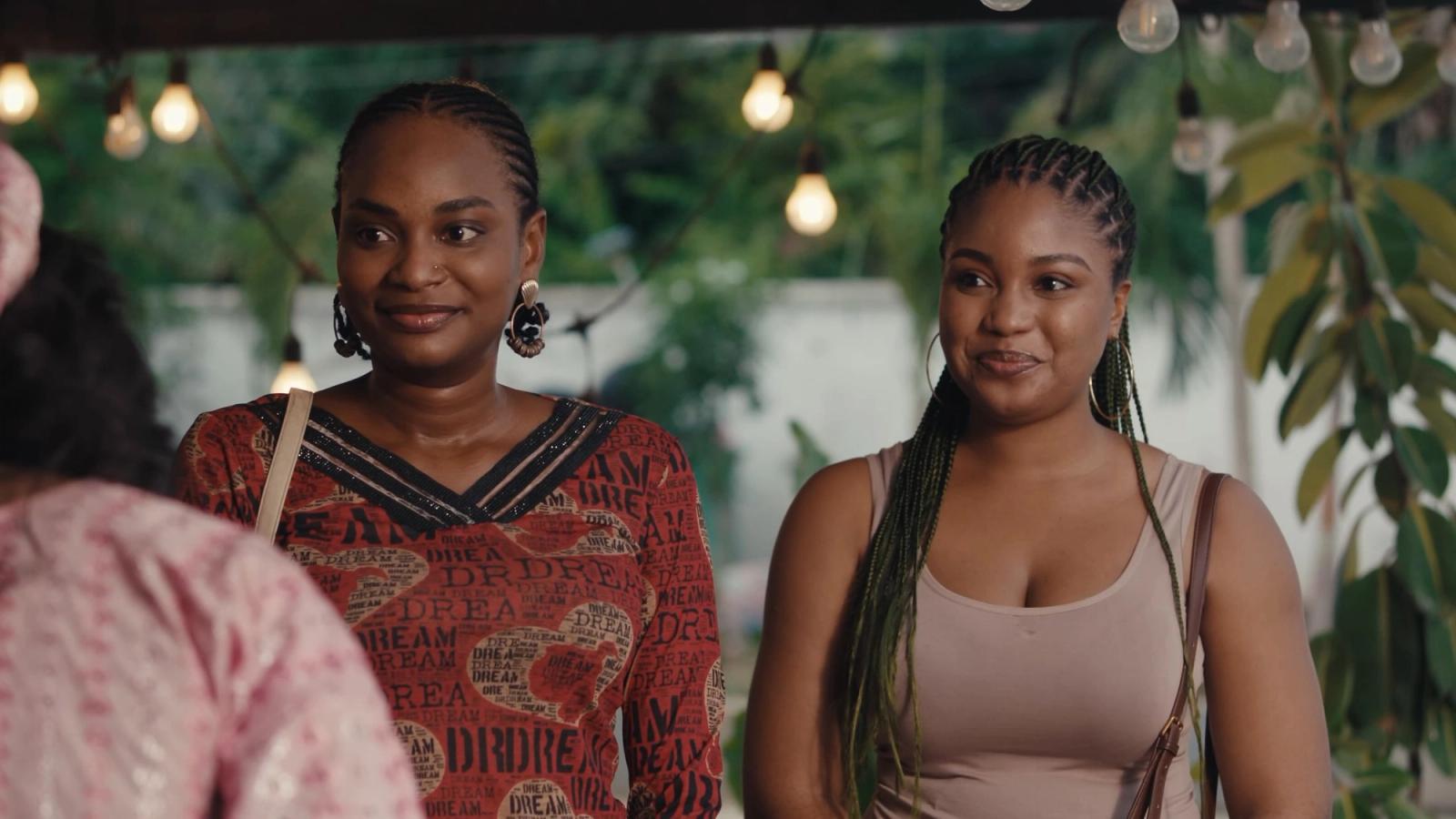
In the sweltering heat of Lagos, a young woman named Tatiana makes a choice that will change the course of her life forever. Her story, brought to life by the deft hands of filmmaker Dika Ofoma in the short film "A Happy Ending," is one of unyielding resilience in the face of adversity. As I sit in the dimly lit room, surrounded by the quiet hum of a laptop and the soft glow of a screen, Dika's words echo in my mind: "She didn’t think of herself as a victim."
Dika Ofoma's journey as a filmmaker is one of serendipity and chance. At the start of his career, he uploaded his films to YouTube, with no grand plans beyond that. It was other filmmakers who spotted his work and encouraged him to submit to festivals. C. J. Obasi, a respected voice in the industry, was among those who took notice. I took it seriously, Dika says, and that was how the festival filmmaker path was born. Today, Dika has made peace with where that path has taken him, his focus fixed firmly on telling stories that resonate with his audience.
Tatiana's story, as told by Dika in "A Happy Ending," is one of quiet strength in the face of temptation and desire. A young woman from a humble background, she moves to Lagos to work as a masseuse, only to find herself entangled in a web of professional and personal relationships with a wealthy politician. The film's narrative is a delicate dance of power dynamics, as Tatiana weighs her options and chooses the one that keeps her dreams alive. It is a choice that is both empowering and heartbreaking, evidence of the complexities of human nature.
Dika's choice to tell Tatiana's story without the trappings of victimhood is a bold one. In an industry where female characters are often reduced to stereotypes or tropes, Dika's approach is a refreshing respite. As he notes, "It opened my eyes to the sort of society that we live in." His film is a powerful indictment of a society that often reduces women to their vulnerabilities, rather than their strengths. It is a society that Dika is surrounded by, but one that he is determined to challenge through his work.
As I finish watching "A Happy Ending," I am left with more questions than answers. What does it mean to be a strong woman in a society that often seeks to break her? How do we redefine the notion of victimhood, and what does it say about our society when we do so? Dika's film is a catalyst for these conversations, a reminder that storytelling has the power to shape our perceptions and challenge our assumptions.
- Dika Ofoma's short film "A Happy Ending" is part of Zikoko's Life 2 series
- The film tells the story of a young woman named Tatiana who moves to Lagos to work as a masseuse
- Dika's approach to storytelling is one of unconventional narrative, challenging societal norms and expectations
As I reflect on Dika's words, "She didn’t think of herself as a victim," I am reminded of the power of storytelling to shape our perceptions of the world around us. Dika's film is evidence of the resilience of the human spirit, a reminder that our choices, no matter how difficult they may seem, are ultimately ours to make. And it is this very message that I believe will resonate with audiences long after the credits roll.