News
Skeet Ulrich says Melissa Barrera's Scream firing halted Billy's 3-film arc
On a rain‑slick evening in the backlot of a Los Angeles studio, Skeet Ulrich sat beside a set of dusty props, the ghost of his own character lingering in the air.
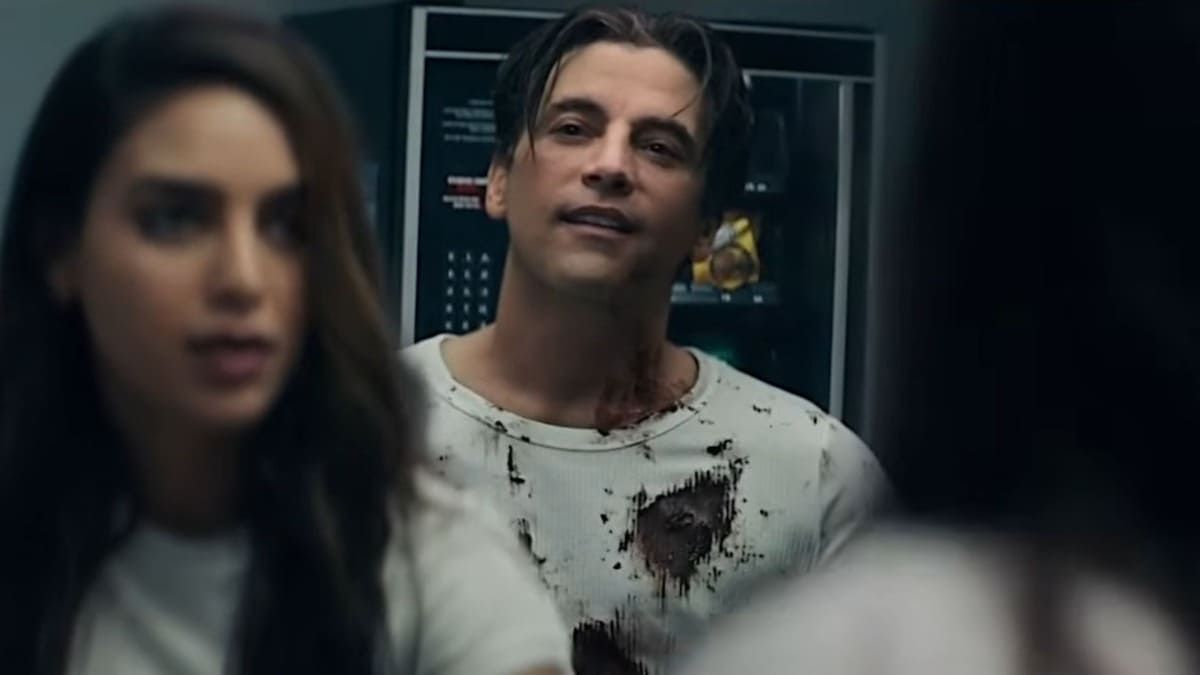
On a rain‑slick evening in the backlot of a Los Angeles studio, Skeet Ulrich sat beside a set of dusty props, the ghost of his own character lingering in the air. He stared at a framed photograph of a young Melissa Barrerathe face that had become the new heart of the Scream saga. The camera caught the quiet intensity in Ulrich’s eyes as he whispered, “I was, obviously, in her head.” The weight of that admission settled over the room like the hush before a scream.
When Melissa Barrera stepped onto the set of Scream in 2022 as Sam Loomis, the audience sensed a fresh energy. She embodied the legacy of Billy Loomis, the original antagonist whose shadow loomed over the franchise’s first installment. The audience could have imagined a trilogy of stories weaving Sam’s journey from the ashes of her father’s betrayal to a new, darker chapter. Ulrich, the man who first gave shape to the ghostly killer, had hinted at such a plan in an interview with Us Weekly. Yet the script never found its final page.
The turning point arrived in 2023, when Spyglass Media decided to part ways with Barrera over her pro‑Palestinian statements on social media. The decision cut short what could have been a powerful continuation of the Scream mythos. Jenna Ortega, who had also been slated to join the franchise, was similarly left in the wings. The studio, perhaps wary of controversy, chose a different path: the return of Neve Campbell as Sidney and the inclusion of Matthew Lillard as Stu for the 2026 Scream VII. Lillard later voiced regret over the circumstances that led to Barrera’s exit.
Ulrich’s character, Billy Loomis, had already been killed off in the original film, yet he returned as a haunting presence in Scream VI through Sam’s hallucinations. Without Sam’s character to anchor those visions, the narrative thread that could have carried Billy forward was severed. Ulrich himself noted that the arc for Billyan ambitious three‑film storylinehad been left unfinished. The absence of a living Sam Loomis meant that the spectral presence of Billy could no longer be felt in the franchise’s future projects.
The decision to remove Barrera from the series sparked debate about freedom of expression and the responsibilities of media conglomerates. While some argued that her comments were protected speech, others felt that the studio was compelled to safeguard its brand image. The incident highlights the precarious balance between artistic vision and corporate policy in Hollywood’s current climate. It also underscores how a single social media post can reverberate through a long‑running franchise, altering its trajectory in unexpected ways.
Standing in that studio, I watched Ulrich’s solemn nod as he recalled the unfinished story. It struck me how the personal convictions of one actor can ripple through a fictional universe, reshaping narratives that fans have followed for decades. The Scream franchise, a cultural touchstone, now bears the marks of political discourse, reminding us that cinema is never truly separate from the world it mirrors.
The future of Scream remains uncertain. While the studio has moved forward with familiar faces and fresh storylines, the ghost of Billy Loomis lingers in the minds of those who once dreamed of a trilogy. The decision to halt that arc serves as a cautionary tale for filmmakers and audiences alike: the stories we wish to tell are often contingent on the people who bring them to life, and the paths we choose can either illuminate or eclipse the potential of a narrative.


