News
Skydance Is Here: Warner Bros. Tower, New York Offices Quickly Get Rebranded Following Merger
The merger that closed on Tuesday didn’t just shuffle stocks; it rewrote the skyline. Within hours, the iconic Warner Bros.
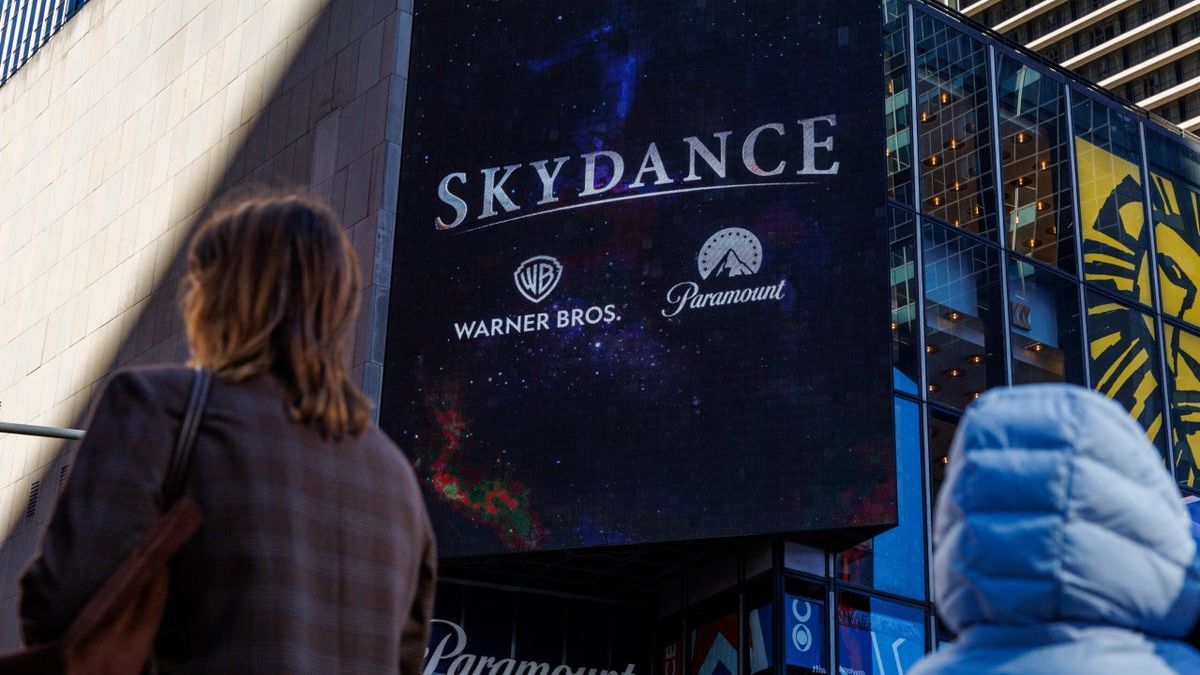
The merger that closed on Tuesday didn’t just shuffle stocks; it rewrote the skyline. Within hours, the iconic Warner Bros. Water tower in Burbank was emblazoned with Skydance Corporation, and the New York headquarters now sport Skydance and Paramount decals. For the thousands of employees who walked those halls for decades, the change is more than a logoit’s a signal that the industry’s power structure has shifted overnight.
A Skydance billboard now dominates the Times Square façade of Paramount Global’s headquarters. The move is not merely cosmetic; it is a public declaration that the newly formed Skydance entity will be the face of a $110 billion entertainment behemoth. The ticker SKYD will trade on Wall Street, and every screen in the city will now echo that brand. The speed of the rebrandingwithin hours of the merger’s legal closureunderscores Skydance’s ambition to seize the narrative before anyone else can.
The merger bundles Paramount+, Pluto TV, HBO Max, Discovery+, CBS, Comedy Central, MTV, HBO, and CNN under one corporate roof. Add a library that includes Harry Potter, the DC Universe, Game of Thrones, and SpongeBob SquarePants, and the new company’s reach is staggering. This isn’t just about adding titles; it’s about controlling the distribution channels that bring those titles to audiences worldwide. For creators, the promise is a larger platform and potentially more resources. For advertisers, the audience data is a gold mine. For shareholders, the consolidation is a bet that the combined entity will outpace competitors.
CEO David Ellison framed the merger as “a historic day, not just for Skydance but for our entire industry.” He highlighted the union of talent, resources, and reach, positioning Skydance as a “stronger competitor” capable of telling “great stories in every genre, on every platform.” Ellison’s language is deliberate: it signals a shift from a studio‑centric model to a content‑centric ecosystem that leverages streaming, linear TV, and global IP. His call to “empower creatives, entertain audiences, and reward shareholders” is a three‑fold promise that will be tested in the coming months.
Everyone’s cheering the rapid rebranding, but the haste masks a deeper issue: the human cost of corporate consolidation. Employees who have worked for Warner Bros. Discovery for years are suddenly part of a new corporate identity with different priorities. The quick swap of decals and website updates may feel like a superficial gesture, but it raises questions about job security, corporate culture, and creative freedom. Will Skydance honor the legacy of its predecessors, or will it impose a new, more profit‑driven agenda? Only time will reveal whether the new brand can maintain the creative ecosystems that made the old studios successful.
Given the merger’s breadth, I predict that Skydance will launch a platform‑first strategy by early 2027, bundling its streaming services under a single subscription tier. This would mirror Disney’s approach and force competitors to rethink their own bundling tactics. If Skydance succeeds, it could redefine how audiences consume content, moving from siloed services to an integrated ecosystem that capitalizes on its vast IP library.
The Skydance rebranding is more than a visual makeover; it is a declaration of intent. For the employees, creatives, and fans who once associated those buildings with a particular legacy, the new logo signals a new chapterone that promises greater reach but also carries the risk of eroding the very culture that made the original studios great. As the industry watches, the true test will be whether Skydance can translate its massive assets into a sustainable, creative powerhouse that satisfies both audiences and shareholders.


