News
Social media sites offer another look at future by refusing to run ads for Musk
Elon Musk’s new documentary, “Musk”, is set to hit theaters on October 9, but the film’s path to audiences has hit a roadblock that feels more like a mirror than a billboard.
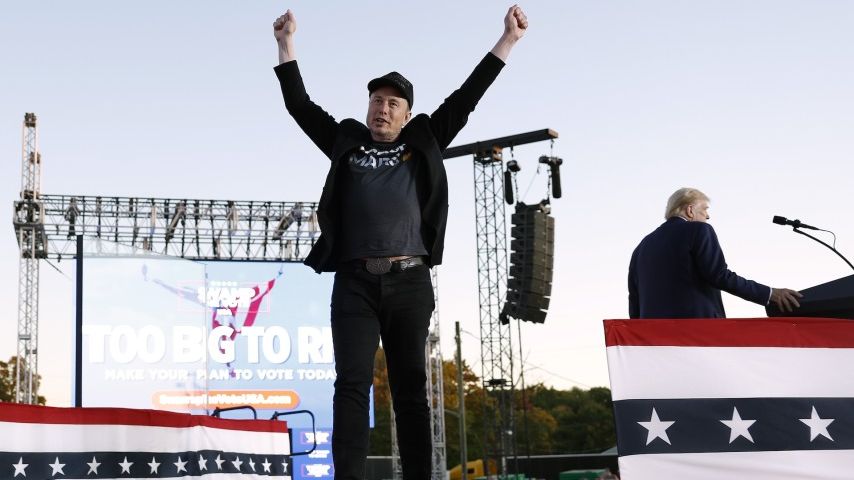
Elon Musk’s new documentary, “Musk”, is set to hit theaters on October 9, but the film’s path to audiences has hit a roadblock that feels more like a mirror than a billboard. In the middle of the summer, a wave of social‑media giantsFacebook, YouTube, Instagram, TikTok and Xtogether decided not to run paid ads for the movie. The decision came after the film’s distributor, Bleeker Street, approached each platform with a straightforward request: promote a four‑hour exposé about the billionaire who owns X. Instead, the platforms labeled the ads as “political content” and refused to display them, citing their own policies on political advertising.
The refusal came from a group of companies that have long marketed themselves as open forums. Yet the very same platforms that host millions of voices have chosen to silence a commercial push that could shape public perception of Musk. The platforms’ rationale hinged on the film’s subjectMusk, a private citizen and former government employeebeing classified as a political figure. Even though the documentary is not a campaign ad, the platforms interpreted it as political because it could influence opinions about a person who wields significant power over public discourse.
Bleeker Street’s appeal to Meta was rejected, while TikTok and YouTube have left the door ajar, stating they could allow the ads under certain conditions. X, on the other hand, has taken a more absolute stance, refusing to buy ads because its owner, Musk, is a self‑described free‑speech absolutist. The platforms’ collective action signals a tightening of the lines between commercial advertising and political messaging, a line that has become increasingly blurry in the age of algorithmic curation.
The refusal has already begun to ripple through the film’s distribution strategy. Universal, the distributor’s parent company, has reportedly begun to hesitate about international releases. The uncertainty is compounded by Musk’s own threats of legal action against the documentary, adding another layer of risk for distributors who must weigh the potential backlash against the film’s commercial prospects.
Watching the platforms’ response, I see a broader debate about the role of social media in shaping public discourse. The platforms claim to be neutral spaces, yet their policies can effectively silence certain narratives. In a world where a single ad campaign can sway public opinion, the decision to block an ad for a documentary about a public figure raises questions about who gets to decide what is “political” and who gets to decide what is not.
The film’s premiere remains on schedule, but the path to audiences will likely depend on alternative marketing channels. Traditional media, word of mouth, and perhaps grassroots campaigns will need to fill the void left by the digital platforms. As the documentary’s release approaches, the industry will watch closely to see whether this move sets a new precedent for how social media platforms handle political content, especially when that content is packaged as a documentary rather than a campaign ad.