News
Sony sells hundreds of VR patents to Meta
Sony sold 419 VR‑and‑XR‑related patents to Meta, a move that feels like a quiet hand‑shake between two giants of virtual reality.
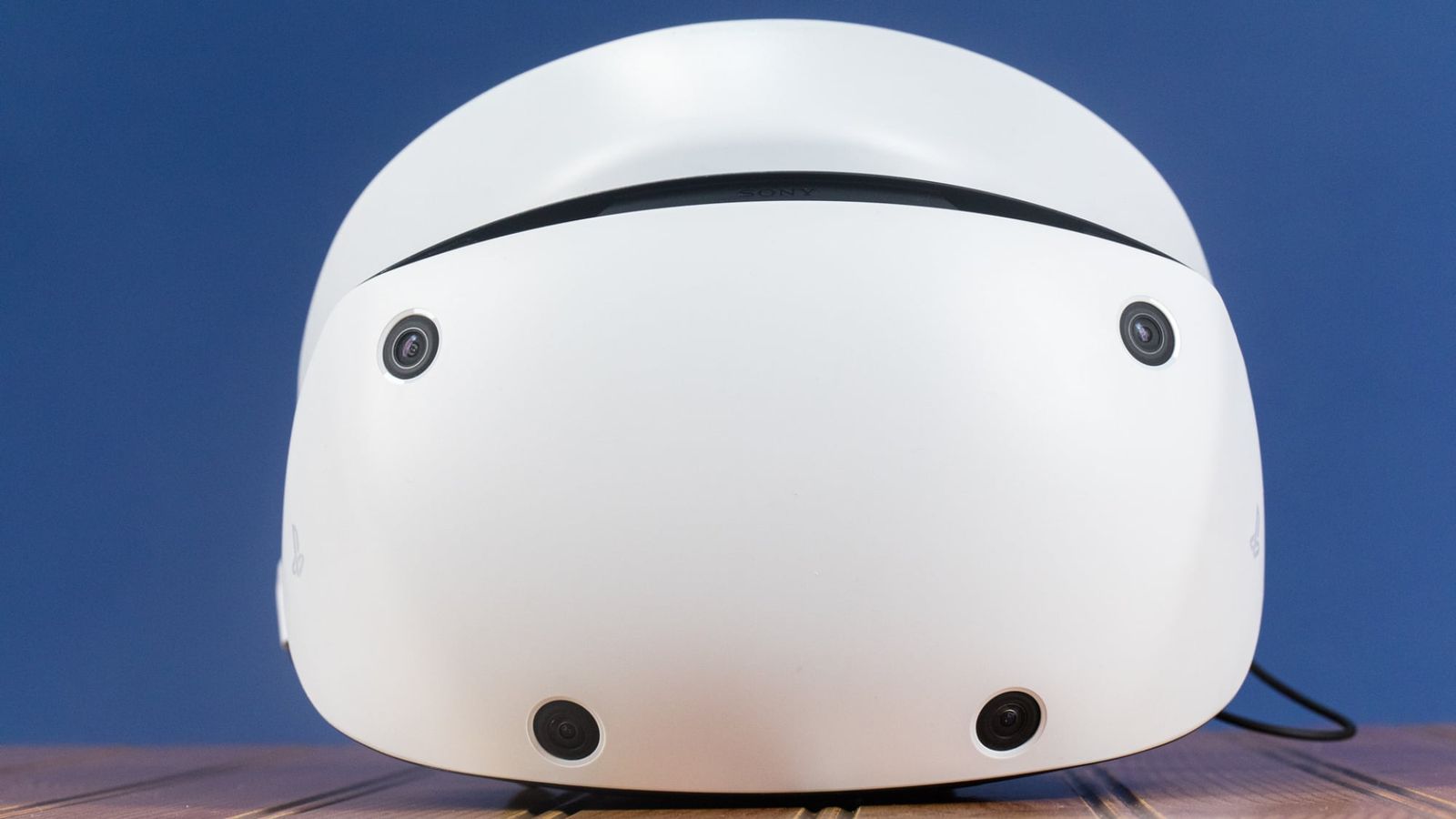
Sony sold 419 VR‑and‑XR‑related patents to Meta, a move that feels like a quiet hand‑shake between two giants of virtual reality. The sale, reported by ZDNet Korea, included 43 patents filed in the United States alone, covering everything from head‑mounted displays to other core VR technologies. The transaction comes just three and a half years after Sony launched its PlayStation VR 2 headset, a device that had already struggled to find shelves in the wake of supply shortages.
When the PlayStation VR 2 first hit the market in 2023, it was greeted with praise for its high‑resolution optics and ergonomic design. Reviewers from Mashable and other outlets highlighted its potential to elevate console‑based VR. Yet, despite the hardware’s promise, the platform has felt increasingly stagnant. Software support has lagged, and the headset remains difficult to obtain, leaving many fans in a limbo that feels more like a dead platform than a dormant one.
Sony’s decision to offload a bulk of its VR patents suggests that the company may be stepping back from the headset market for the foreseeable future. The sale does not officially signal the discontinuation of PSVR 2, but it raises questions about Sony’s long‑term strategy in the VR space. If the company is no longer investing heavily in new hardware, what will it do to keep the PlayStation ecosystem vibrant?
Meta’s acquisition of these patents comes at a time of mixed signals from the company’s own VR division. Earlier this year, Meta announced layoffs of more than 1,000 Reality Labs employees and shut down the VR portion of its Horizon Worlds app. Those moves painted a picture of a company pulling back from immersive technologies. Yet, the same day, Meta unveiled a new line of VR glasses, signalling that its ambitions are still alive.
The purchase of hundreds of patents could be a strategic move to bolster Meta’s intellectual property portfolio, giving it a stronger footing as it refocuses on consumer VR. With the patents covering fundamental aspects of head‑mounted displays, Meta may accelerate development of its own hardware or secure a more robust position against competitors.
For creators who have built games and experiences around PlayStation VR 2, the news is a reminder of how fragile platform ecosystems can be. The lack of software support has already stunted growth, and Sony’s pivot away from VR hardware could further limit opportunities for developers. On the other hand, Meta’s expanding patent library may open new avenues for creators looking to build for a platform that is still actively investing in hardware and software.
The broader creator economyspanning gaming, film, and musichas always been sensitive to the tools available to its talent. When a platform like PlayStation drops its focus, the ripple can reach indie studios, independent artists, and even hobbyists who rely on the ecosystem for exposure.
The VR market has seen a pattern of boom and bust. Sony’s initial foray with PlayStation VR 2 was a bold statement, and Meta’s recent layoffs and product launches illustrate the volatility of the space. Yet, the industry continues to evolve, driven by advances in display technology, lower latency, and more immersive content.
The sale of patents is a tangible reminder that intellectual property is a key lever in this competition. Companies that hold the right patents can shape the direction of the market, influence hardware standards, and secure partnerships that drive adoption.
As the VR landscape shifts, the next few years will likely see Meta solidifying its presence while Sony explores other avenuesperhaps focusing on augmented reality or other immersive experiences that do not require a dedicated headset. For creators and consumers alike, the key will be adaptability: embracing new platforms, learning new development tools, and staying attuned to the evolving ecosystem.
The final takeaway is that the VR industry is still a frontier, and the players are still testing the waters. Sony’s patent sale to Meta is not just a business transaction; it is a marker of where the industry may be heading next.


