News
SpaceX's ambitious, expensive gamble to replace AT&T, T-Mobile, and Verizon
SpaceX’s new wireless dream is less a moonshot and more a seismic shift for every commuter, student, and small‑business owner who relies on a steady data stream.
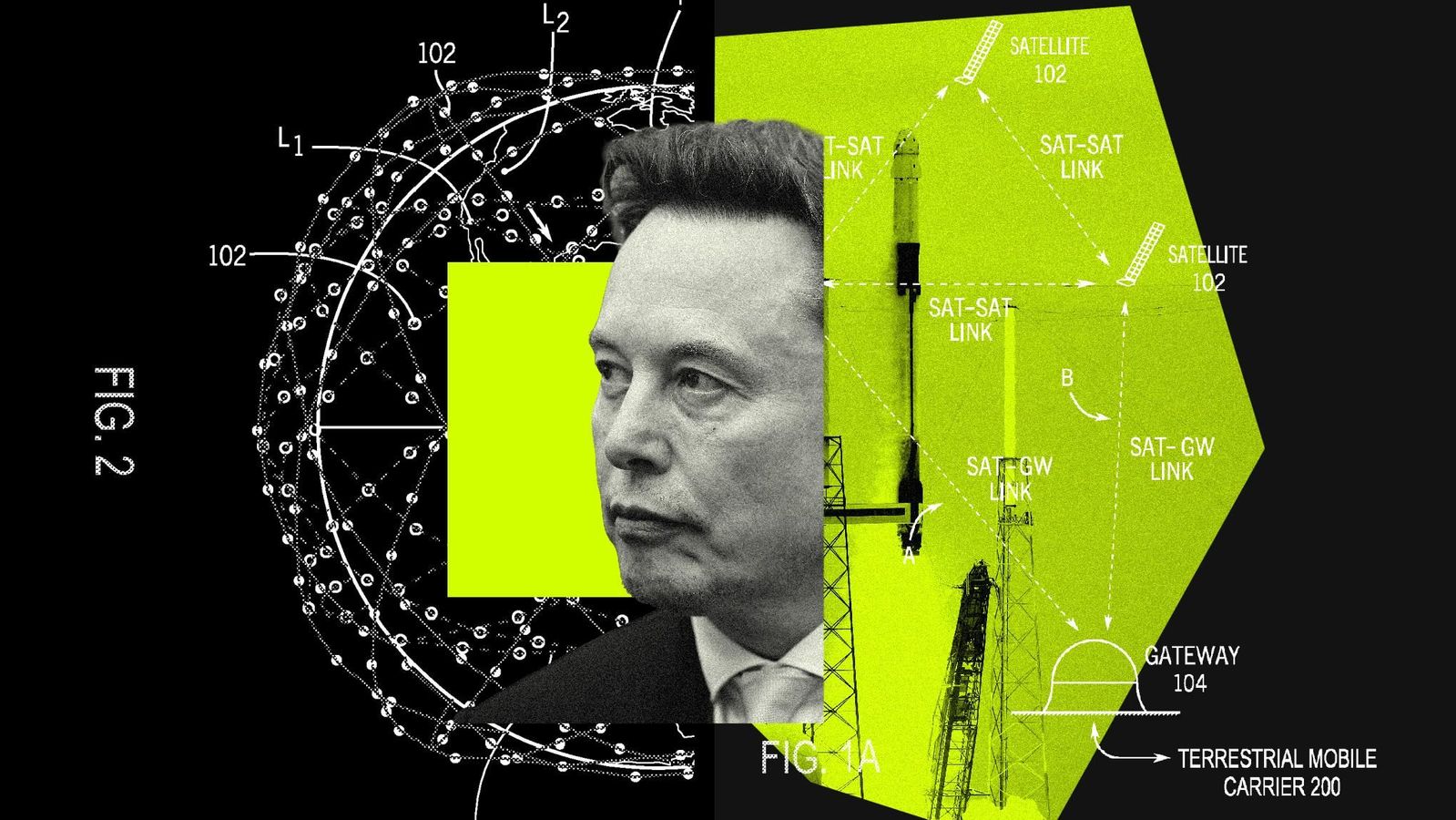
SpaceX’s new wireless dream is less a moonshot and more a seismic shift for every commuter, student, and small‑business owner who relies on a steady data stream. The company’s $8 billion purchase of 800 MHz low‑band spectrum and the looming launch of 15 000 Starlink satellites mean that the next generation of mobile service could come from rockets instead of towers. For the average Nigerian student streaming lectures from Lagos to Abuja, it spells a chance to escape the throttled, overpriced plans that have long dominated the continent’s market.
SpaceX’s acquisition of 800 MHz low‑band spectrum is a textbook play for coverage and penetration. Low‑band frequencies travel farther and cut through buildings more easily than the high‑frequency bands that dominate today’s 5G networks. By buying this chunk for $8 billion, SpaceX is betting on a network that can reach rural areas where AT&T, Verizon, and T‑Mobile have barely touched. The move also signals that SpaceX is no longer content to be a satellite‑backed internet provider; it wants to become a full‑fledged carrier.
Last year, SpaceX agreed to purchase nearly $20 billion worth of EchoStar spectrum. EchoStar, the satellite operator that once dominated the UHF band, had long been a target for telecom giants. Now, SpaceX is consolidating that legacy into a single, vertically integrated platform. The sheer scale of the investment$28 billion in spectrum alonedemonstrates that Musk is willing to outspend the incumbents to disrupt the status quo.
The telecom giants have historically been slow to react to disruptive entrants. AT&T, Verizon, and T‑Mobile have invested heavily in their own infrastructure, but they have also spent billions on acquisitions that failed to deliver the promised synergies. Their hesitation is evident in the slow roll‑out of nationwide 5G and the continued reliance on expensive fiber deployments. SpaceX, by contrast, can deploy satellites at a fraction of the cost of building a tower network, giving it a cost advantage that the incumbents cannot match.
The obvious narrative is that SpaceX will simply outcompete the incumbents by offering cheaper, more ubiquitous coverage. That view ignores the massive operational challenges of running a mobile carrier. Spectrum is only one piece of the puzzle; back‑haul, customer support, billing systems, and regulatory compliance are equally critical. If SpaceX can integrate its satellite network with ground‑based infrastructure, it could deliver a seamless experience. If not, the company risks becoming another failed experiment.
Within the next eighteen months, I foresee a rapid decline in roaming charges for users in the U.S. And Nigeria. SpaceX’s low‑band spectrum will allow it to offer cheaper international data plans, forcing incumbents to slash prices or lose market share. If this happens, we’ll see a measurable shift in consumer loyalty toward SpaceX’s services.
For the everyday consumer, the race between SpaceX and the established carriers could mean lower bills and better coverage. For the industry, it could mean a radical rethinking of infrastructure investment. For the regulators, it presents a challenge to ensure fair competition while accommodating a new kind of network architecture.
In short, SpaceX’s gamble is not just a bold corporate move; it is a potential game‑changer for millions who depend on reliable connectivity. The next decade will tell whether rockets can truly replace towers.