News
Starbucks is launching an incredibly sweet Winnie the Pooh collection, how to buy
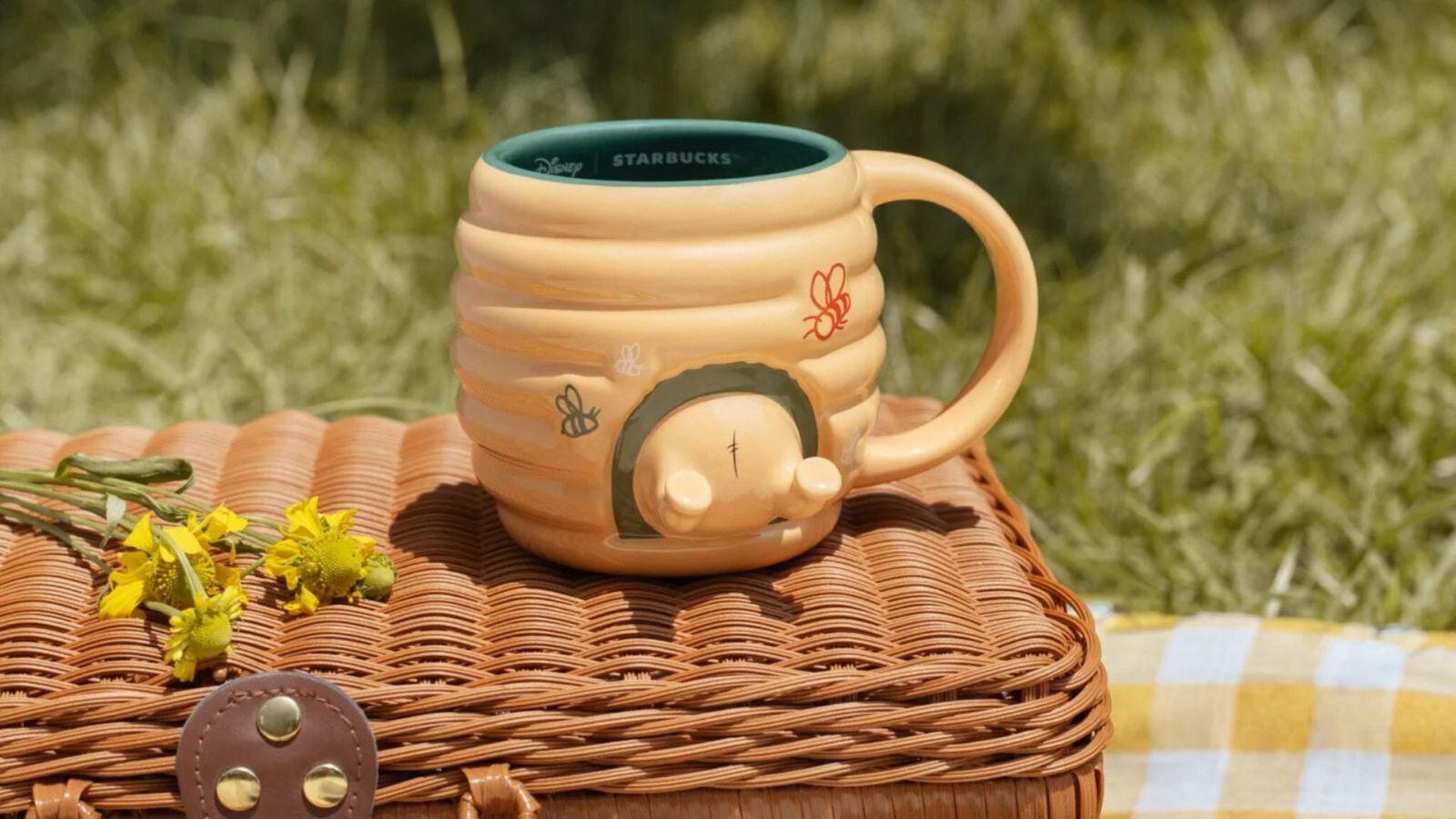
Starbucks has just teamed up with Disney to celebrate the Hundred Acre Wood’s centennial, but the sweet deal comes with a bitter twist: the 20‑piece Winnie the Pooh collection is locked down to the Asia‑Pacific. For the millions of fans in North America, Europe, and beyond, the line feels like a missed opportunityand a perfect excuse to hit the resale market.
A hundred years of Pooh has always been about nostalgia, and Starbucks is banking on that. The range mixes honey‑drip cold cups, a ceramic beehive mug, plush Bearista keychains, and a packable tote. Each item is stamped with the familiar yellow and the iconic characters. The coffeehouse’s “Hunny Pot Tumblers” and “Cold Cups” promise a literal drizzle of honey, while the beehive mug’s textured design gives the feel of a real honeycomb. The Bearista keychainsplush versions of Pooh, Piglet, Eeyore, and Tiggeradd a touch of whimsy to everyday carry. The tote, which folds into its own pouch, is a practical nod to sustainability, a trend Starbucks has championed for years.
The launch on Oct. 20 will be limited to participating Starbucks outlets in Australia, Indonesia, Malaysia, New Zealand, the Philippines, Singapore, Taiwan, Thailand, and Vietnam. That means anyone outside those borders will have to hunt for the collection on the secondary market. The article notes that exporters will start listing inventory on the launch day, but expect a significant markup for high‑demand pieces such as the ceramic beehive mug and plush Bearista straps. If you’re in the US or UK and want a legitimate Disney‑Starbucks tumbler, the Disney Store offers one for $27.99 that ships directly to your address.
It’s not just about geography; it’s about brand strategy. Starbucks has been expanding its global footprint, yet the decision to keep this collection regional suggests a targeted marketing push. The Asia‑Pacific market is known for its high demand for limited‑edition collectibles, especially those tied to beloved franchises. By restricting the line, Starbucks can create scarcity and hype, driving traffic to local stores and boosting sales of other merchandise. Meanwhile, the secondary market becomes a lucrative playground for resellers, turning a simple coffee cup into a speculative asset.
For collectors in North America and Europe, the resale market is a double‑edged sword. On one hand, it offers access to the collection; on the other, it inflates prices beyond retail value. The article hints at eBay listings, but doesn’t provide exact figures. Still, the expectation of a significant markup is realistic. If the ceramic beehive mug sells for $50 on the secondary market, that’s almost double the original retail price. This scenario mirrors past collaborations, such as the limited‑edition Starbucks x LEGO set, where resellers drove prices up by 200% in the first week.
Given the pattern of high‑profile collaborations, I predict that within two months of launch, the Winnie the Pooh line will become a staple on resale platforms. The demand will outstrip supply, especially for the ceramic beehive mug and the plush Bearista keychains. Starbucks may respond by releasing a second wave of items or by opening the collection to a broader market, but the initial scarcity will cement its status as a collector’s prize.
While the 100‑year celebration is sweet, the regional lock‑in turns it into a bittersweet experience for many fans. The next step for Starbucks might be to broaden the release, or risk alienating a global fan base that has grown used to instant access. Either way, the Winnie the Pooh collection will stay at the center of a resale frenzy that could reshape how limited editions are marketed in the coffee‑house world.


