News
Stephanie Inakoju: Are We Becoming Too Attached to Our Phones?
Stephanie Inakoju's Wake-Up Call: The Dark Side of Phone Addiction Stephanie Inakoju's recent confessional about her phone addiction has struck a chord with many Nigerians.
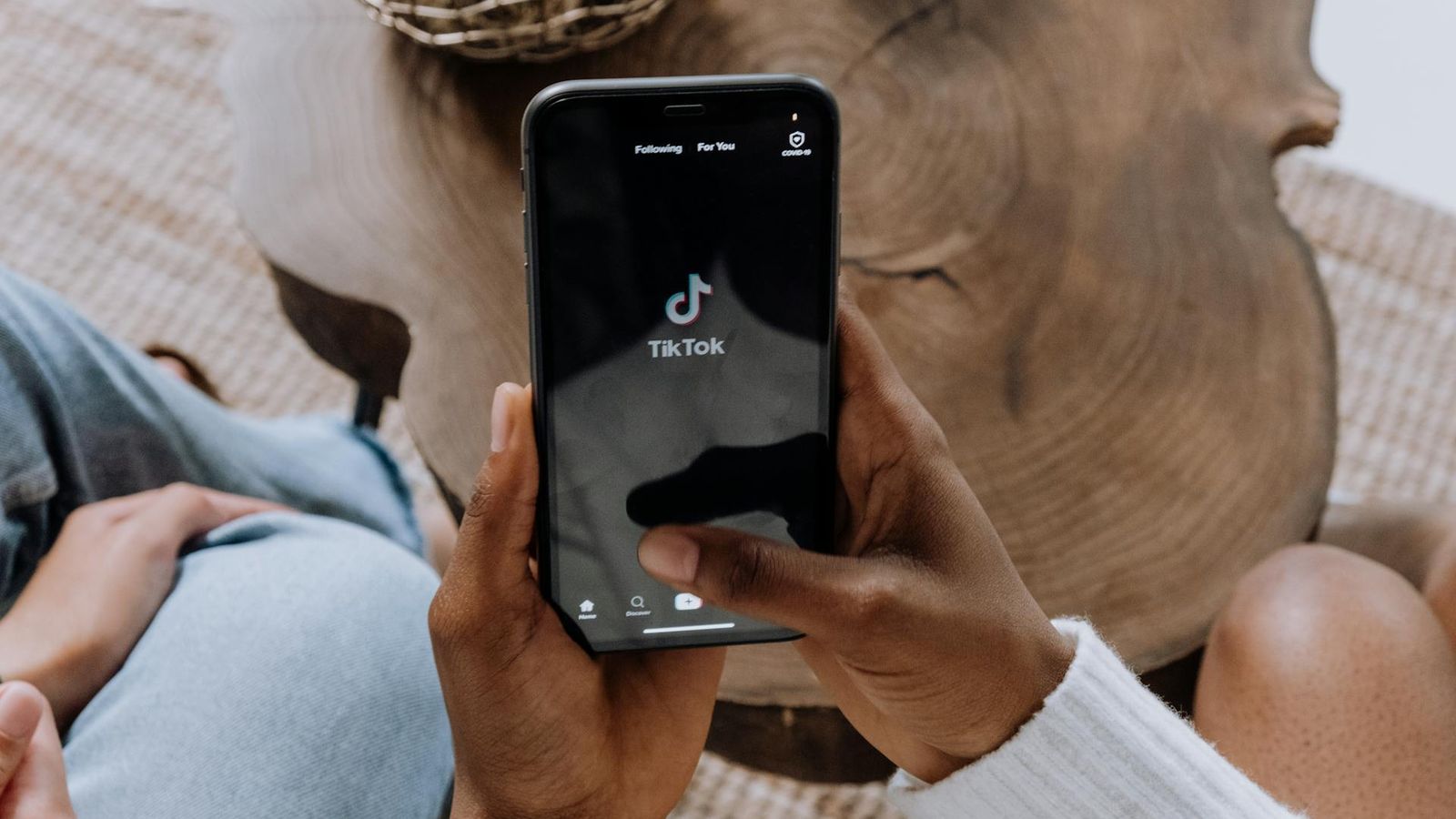
Stephanie Inakoju's recent confessional about her phone addiction has struck a chord with many Nigerians. Her story is a stark reminder of the devastating effects of excessive phone use on our mental and emotional well-being. As someone who has been glued to her devices for years, Stephanie's journey is a cautionary tale of how we've become too attached to our phones. What's most striking about her narrative is the way it humanizes the issue, making it relatable to readers who may be struggling with similar issues.
Stephanie's love for reading was nurtured by her parents, who encouraged her to develop a passion for literature from a young age. Her father's gift of Chimamanda Ngozi Adichie's Purple Hibiscus to mark her Common Entrance into secondary school in 2013 is evidence of the impact of reading on her life. However, as she grew older and became increasingly dependent on her devices, Stephanie found herself drifting away from her love for reading. This is a tragic loss, not just for Stephanie, but for the world at large. The decline of reading habits is a ticking time bomb, with far-reaching consequences for our mental health, creativity, and critical thinking skills.
Stephanie's story is not an isolated incident. The world has deviated from important things, and social media has become a major culprit. According to Al Jazeera, the percentage of people who spend most of their time on social media is alarmingly high. While social media offers opportunities for connection, creativity, and self-expression, it's also a breeding ground for addiction, cyberbullying, and misinformation. The endless scroll of social media platforms like TikTok, Facebook, WhatsApp, Instagram, Twitch, Snapchat, Twitter, and others has created a culture of instant gratification, where users are conditioned to crave constant validation and attention.
Stephanie's phone addiction has taken a toll on her mental and emotional well-being. She's lost touch with her love for reading, writing, and personal growth. This is a price many of us may not be willing to pay, but one that we're increasingly paying as we become more dependent on our devices. Phone addiction is not just a personal issue; it's a societal problem that requires collective attention and action. We need to recognize the warning signs of phone addiction, such as excessive screen time, social media obsession, and decreased productivity, and take steps to address them before it's too late.
Stephanie's story serves as a wake-up call for all of us to reassess our relationship with our phones. We need to strike a balance between the benefits of technology and the risks of phone addiction. This requires a conscious effort to set boundaries, prioritize face-to-face interactions, and engage in activities that promote mental and emotional well-being. By doing so, we can break free from the cycle of phone addiction and rediscover the joys of living life outside of our screens.
As we move forward, I predict that the conversation around phone addiction will continue to gain momentum, with more people sharing their personal stories and struggles. This is a necessary step towards creating a cultural shift that values mental and emotional well-being over the instant gratification offered by social media., will we heed the warning signs and take action before it's too late?