News
Strictly Come Dancing bosses fear judges could quit show: 'Anything could happen'
The last twirl of the judge’s podium in the studio was a quiet moment of reflection.
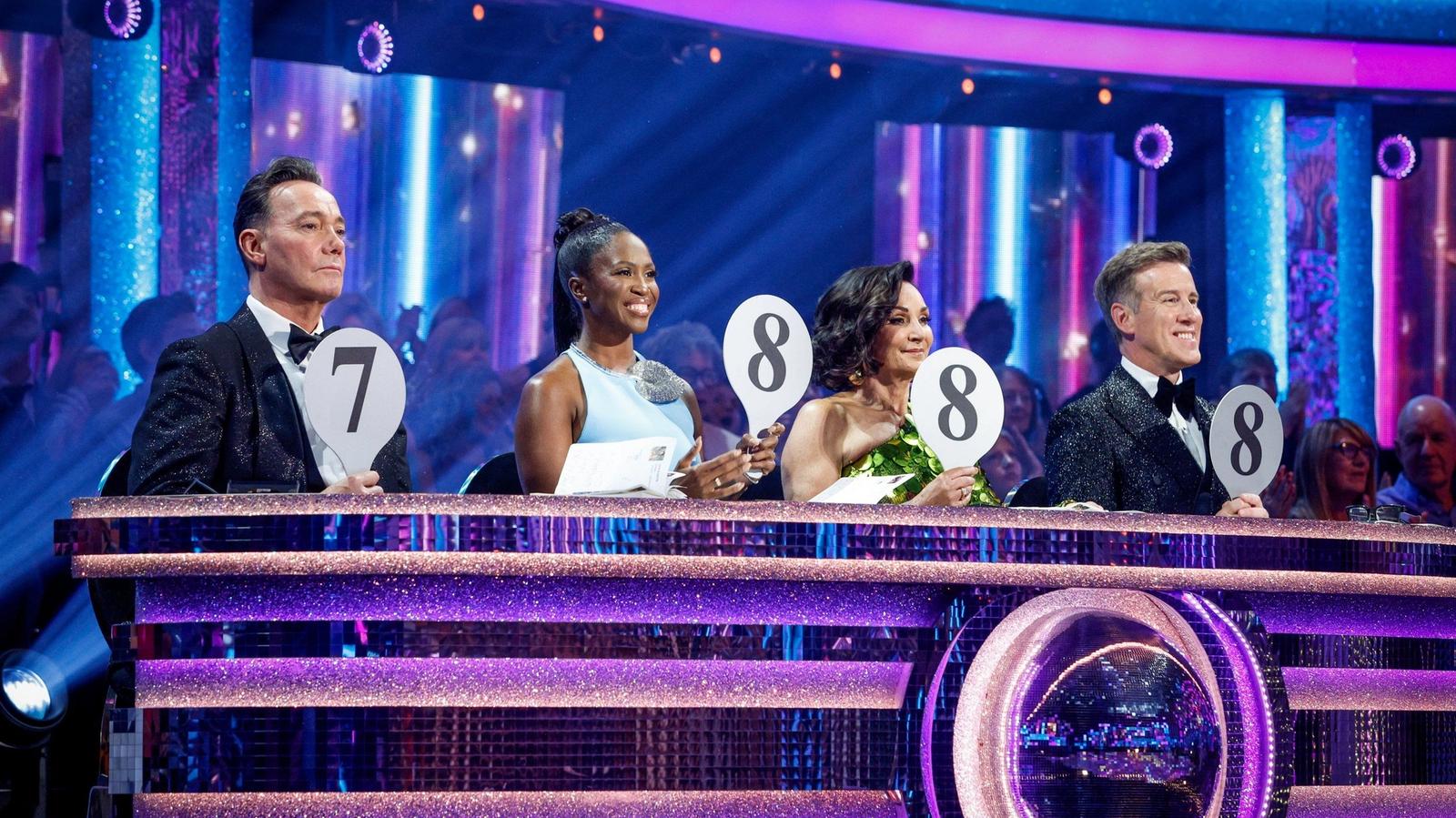
The last twirl of the judge’s podium in the studio was a quiet moment of reflection. Craig Revel Horwood adjusted his cufflinks, his eyes flicking to the mirror behind the chair, while Shirley Ballas leaned back, her hand resting on the rim of her glass of water. The room smelled of freshly polished wood and the faint scent of stage perfume. It was a routine check‑in, a ritual that had become the backbone of a show that has spun its way into the hearts of millions for twenty‑odd years. Yet, beneath that familiar cadence, a storm was gathering.
When Emma Willis, Josh Widdicombe, and Johannes Radebe took over the hosting mantle, the BBC signalled a fresh chapter. The trio swapped out long‑time presenters Claudia Winkleman and Tess Daly, bringing a different energy to the studio. While the hosts changed, the judges stayed the same: Craig Revel Horwood, Motsi Mabuse, Shirley Ballas, and Anton Du Beke. Their presence had become a reassuring constant amid a series of revamps that saw professionals like Karen Hauer, Gorka Marquez, Nadiya Bychkova, Luba Mushtuk, and Michelle Tsiakkas depart after years of partnership with the show. The judges were the familiar faces that audiences could anchor to, the ones who could make or break a performance with a single word.
The contracts of the four judges are due for renewal as the current series wraps up in December. A source told the Daily Mail that the BBC had secured the judges’ return by locking them into contracts, a move that was meant to reduce uncertainty. But the expiration of those agreements has opened a Pandora’s box. The producers are now facing the possibility that any of the judges could walk away, becoming free agents ready to pursue other opportunities. The most likely candidate to consider an exit is Shirley Ballas, who has been on the panel for a decade and has expressed a desire to spend more time with her grandchildren. The prospect of a judge leaving could throw the show into a new kind of turbulence.
Craig Revel Horwood joined Strictly at its inception in 2004 and is the longest‑serving judge. His sharp wit and meticulous eye for detail have become synonymous with the show’s brand. Motsi Mabuse, the youngest of the panel at 45, brings a modern, dynamic perspective that balances the seasoned experience of the others. Anton Du Beke, at 60, has a reputation for being the most lenient, often acting as a buffer between the harsher critiques. Together, they form a triad of perspectives that has kept the judging panel balanced and beloved.
The continuity of these judges has been a key factor in maintaining audience trust during a period of change. While hosts and professional dancers can be swapped without alienating viewers, the judges’ voices carry a weight that is harder to replace. Their personalities and chemistry have become part of the show’s DNA, a reason why the BBC was keen to keep them under contract.
The negotiation process is a tightrope walk. If the judges feel the BBC is offering less favorable termswhether that be a lower salary, fewer creative freedoms, or a reduced rolethey may choose not to return. The source hinted that “anything could happen” once the contracts expire. The producers are bracing themselves for a scenario where one or more judges might step away, which would force a rapid search for replacements and a re‑balancing of the panel’s dynamic.
The stakes are high. A judge’s departure would not only alter the show's tone but could also impact its ratings. The BBC has to weigh the cost of retaining these personalities against the potential loss of audience engagement. In an industry where viewer loyalty can shift overnight, the decision is not merely contractual; it is cultural.
As the show moves forward, the audience will be watching closely. The new hosts have already begun to carve out their own niche, but the judges’ presence remains a pillar of the format. If Shirley Ballas or any of the others decide to step away, the BBC will have to craft a narrative that respects their legacy while introducing fresh voices. The possibility of a new judging panel could rejuvenate the show, but it could also risk alienating long‑time fans who have grown attached to the current lineup.
The drama behind the scenes is a reminder that even a beloved institution like Strictly Come Dancing is subject to the same human dynamicscontracts, personal priorities, and the ever‑present need for renewal. Whether the judges stay or go, the show’s future will hinge on how well the BBC can balance continuity with change.
The final act of this negotiation will unfold in December, as the contracts expire and decisions are made. For now, the studio remains quiet, the judges’ chairs still occupied, and the audience waits for the next season’s opening number, hopeful that the familiar faces will return to guide them through the next dance.