News
Strictly's Shirley Ballas' scoring of rumoured dancer boyfriend 'didn't breach rules' at competition
Shirley Ballas stepped onto the polished floor of the Royal Albert Hall with the same poise that has made her a household name on Strictly Come Dancing.
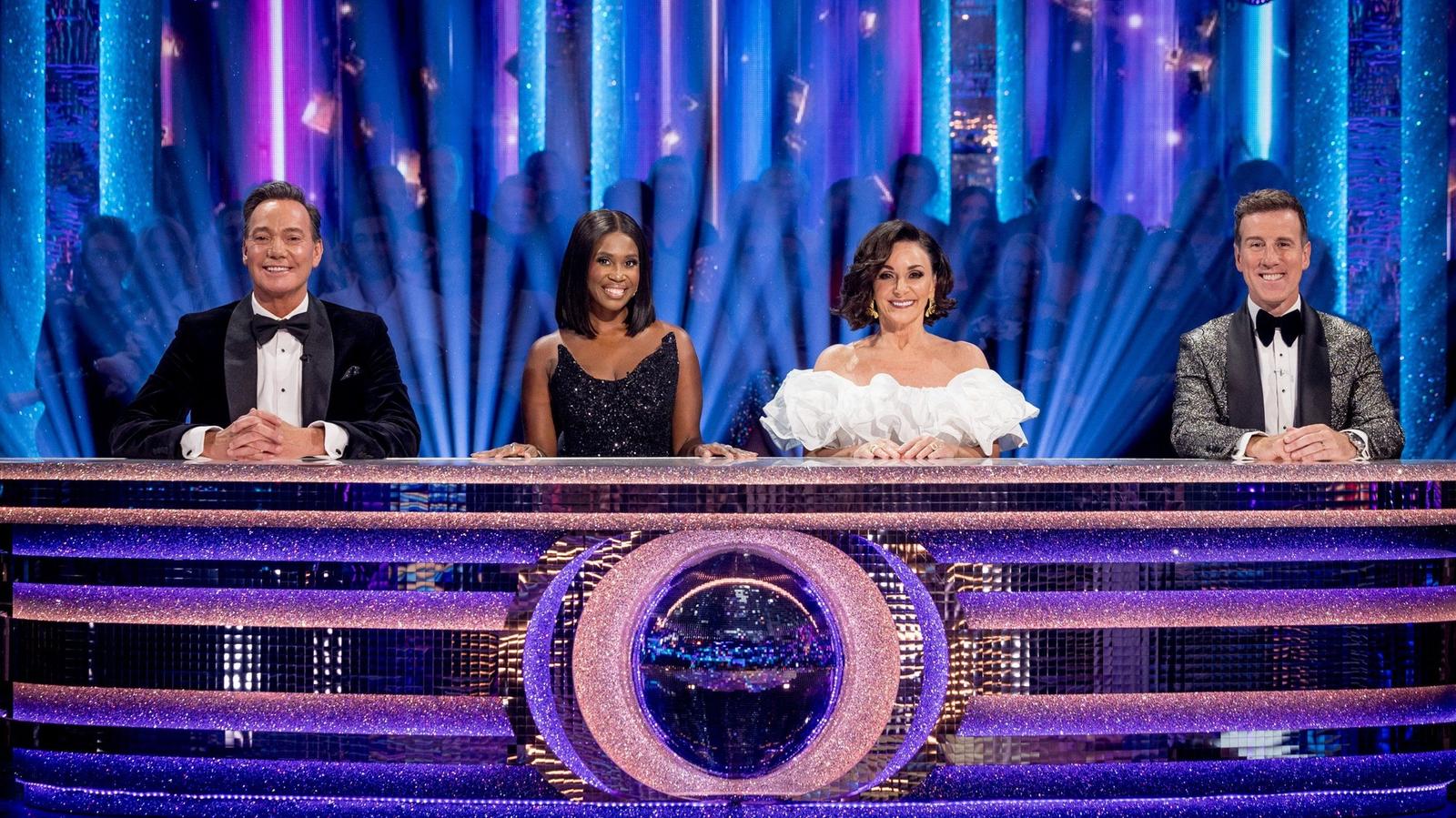
Shirley Ballas stepped onto the polished floor of the Royal Albert Hall with the same poise that has made her a household name on Strictly Come Dancing. The 66‑year‑old judge, known for her sharp eye and warm smile, was there to adjudicate the Professional Latin segment of the International Championships, an event that many in the dance world call the “Olympics of ballroom dancing.” As the music swelled, she handed out her scores to a pair that had already become the talk of the evening: Guiseppe Nonnis and his professional partner Lele Khutsishvili.
The International Championships, now part of the International Dance Festival, had drawn competitors from every corner of the globe. Judges at the event are allotted five marks per dance, and those marks can determine whether a couple moves on to the next round. In a moment that felt almost cinematic, Shirley awarded the full five marks to Guiseppe and Lele across all five dances, cha cha cha, samba, jive, rumba, and the paso doble. The decision was clear: the duo would advance to the semi‑finals.
Yet, the applause that followed was tinged with murmurs. Rumours had swirled for weeks that Shirley and Guiseppe were more than just professional acquaintances. Photos of the pair strolling a dog‑walk together, and a sighting of Guiseppe behind the wheel of Shirley’s £100,000 Porsche, had fed speculation that they shared a personal relationship. Critics argued that this closeness might have breached British Dance Council Rule 65, which forbids a competitor from being judged by someone who is an immediate family member or shares a household.
Rule 65 is straightforward: a competitor cannot take part if an immediate family member or household member is on the adjudicating panel. The complaint writers claimed that Guiseppe, an Italian dancer, had been staying at Shirley’s home during his UK visits, thereby placing him within the prohibited category. They also pointed to the Porsche incident as evidence of a close personal bond.
However, the narrative shifted when sources close to Shirley clarified that Guiseppe does not live with her and that they do not share a household. The organisers, after reviewing the evidence, agreed that no rule had been broken. The decision was announced in a press release that echoed the sentiment that the judge’s actions were within the bounds of the competition’s regulations.
The controversy was not just about scores; it was about how the public perceives authority in the dance world. In a culture that prizes fairness and merit, any hint of favoritism can spark backlash. The fact that Guiseppe and Lele finished ninth in the semi‑finals, with 29 out of a possible 95 marks, added another layer to the debate. Some argued that the high initial scores were a courtesy, while others saw them as a strategic move to give the pair a fighting chance in a highly competitive field.
From my perspective as a writer, the situation illustrates how intertwined personal and professional lives can become in niche communities. When a figure as prominent as Shirley Ballas is involved, every action is magnified. The dance community, especially in the UK, has long been a tight‑knit circle where reputations are built on trust and transparency. A single misstep, or even a misinterpretation, can ripple through the community.
This incident has prompted a reevaluation of how dance competitions handle potential conflicts of interest. While the British Dance Council’s Rule 65 provides a clear framework, the enforcement of that rule depends on accurate information about personal relationships and living arrangements. Organisers may now consider more stringent disclosure requirements or independent oversight to preempt similar controversies.
In Nigeria, where dance festivals are gaining international recognition, the lesson is clear: transparency is not just a bureaucratic necessity; it is a cultural imperative that sustains the integrity of the art form.
As the International Championships conclude, the dance world will watch how the governing bodies adapt. Shirley Ballas, whose career has spanned television and international adjudication, remains a respected figure. Whether her name will be forever linked to this episode or will fade into the routine of a judge’s career depends on how the community chooses to remember the balance between personal relationships and professional responsibilities. The next season of the International Dance Festival will undoubtedly carry a new set of rules and a renewed focus on safeguarding the fairness that dancers and audiences alike expect.


