News
Sylvester Stallone: 'Fans ripped my film apart 42 years ago, but I loved it'
Sylvester Stallone’s 80‑year‑old face in a hotel suite was a strange sight on the night of my 37th birthday.
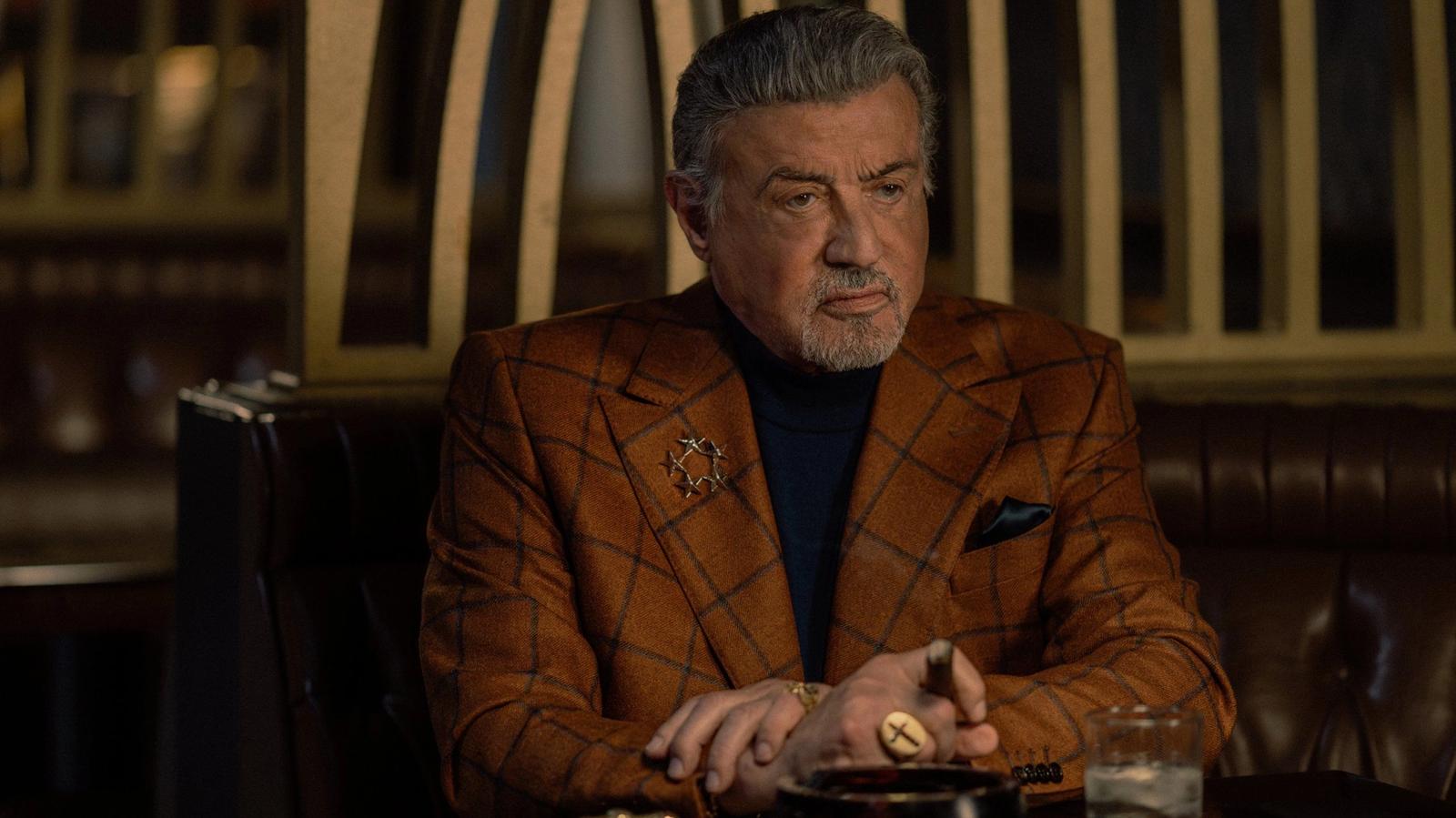
Sylvester Stallone’s 80‑year‑old face in a hotel suite was a strange sight on the night of my 37th birthday. I had imagined the legendary actor as a grizzled, sweat‑stained icon, but the man who greeted me was relaxed, laid‑back, and unmistakably himself. He was not a machine‑gun‑wielding Vietnam vet or a bruised boxer; he was a man who had spent decades shaping the very roles that made him a household name. In that moment, the line between the actor and the characters he had portrayed blurred, revealing a different side of the man who had once given the world Rocky Balboa and Rambo.
The setting was a swanky hotel suite, a backdrop that matched the grandeur of the film industry. I carried a notepad, but I also carried a heavy load of preconceptions. The conversation quickly shifted from the usual questions about the latest projects to a deeper exploration of how Stallone’s past roles influence his current work. He spoke of Tulsa King, a series that places him in the role of a mobster named Dwight Manfredi. The actor explained how this character allows him to explore the “pitfalls of ageing” without the physical demands that defined his earlier career.
Stallone admitted that maintaining his physicality had become an “albatross around his throat.” He reflected on the early Rambo films, noting that the first entry, First Blood, was driven more by emotion than by the supernatural elements that followed. “You’re feeling the emotion,” he said, “and the later films I feel were a mistake because they leaned too heavily on the supernatural.” This honesty about his own artistic missteps offers a rare glimpse into the mind of an actor who has spent decades reinventing himself.
When Stallone first met show creator Taylor Sheridan, the vision for Dwight was that of a tough, imposing figure. The actor, however, wanted to soften the character, adding a layer of “softness” that made him more palatable. “I thought, well, my image is not that I said, ‘let me add a little softness to it,’” he explained. This collaboration between actor and creator illustrates how a character can evolve through mutual respect and creative compromise.
The interview revealed a man who, despite his legendary status, is still grounded. Stallone’s willingness to discuss the physical toll of his past roles, his desire to explore new character dimensions, and his candid reflections on ageing demonstrate a humility that is often hidden behind the larger-than-life personas he has portrayed. His relaxed demeanor in the suite was a reminder that even icons are human, navigating the same life stages as anyone else.
Stallone’s current work on Tulsa King signals a shift from action‑heavy roles to more nuanced storytelling. By playing a character that mirrors his own experiences, he is not only challenging himself artistically but also offering audiences a fresh perspective on ageing and identity. The series may well become a platform for Stallone to explore themes that have long intrigued him, such as the cost of fame and the inevitable passage of time.
I’ve always believed that the most compelling stories are those that connect the extraordinary with the everyday. Stallone’s candidness about his past and present roles, coupled with his relaxed presence, underscores that truth. As he continues to evolve as an actor, his willingness to embrace new challenges will likely inspire both fans and fellow performers to reconsider the limits of their own craft.


