Music
Taylor Swift's 'The Life of a Showgirl' Returns to No. 1 After 'Encore' Reissue
Taylor Swift’s The Life of a Showgirl is back on top of the Billboard 200, and it’s not just a brief comeback. The album reclaimed the No.
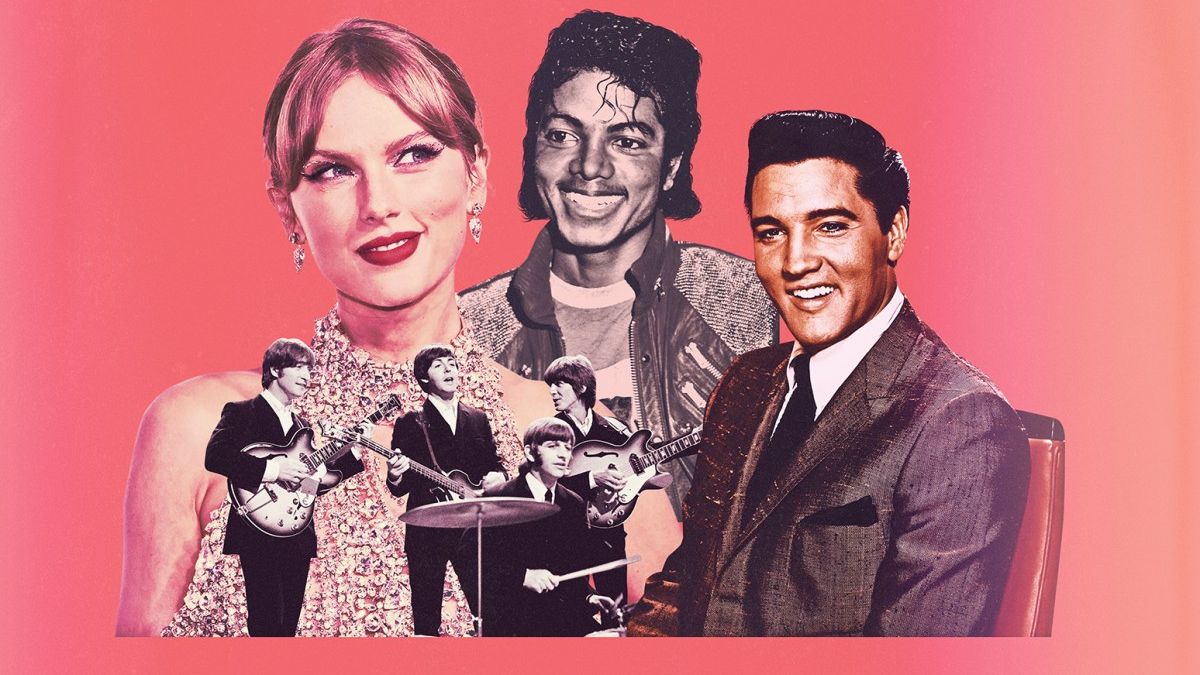
Taylor Swift’s The Life of a Showgirl is back on top of the Billboard 200, and it’s not just a brief comeback. The album reclaimed the No. 1 spot for its 13th non‑consecutive week, vaulting from 21‑1 on the October 10‑dated chart after the September 25 reissue. The re‑release, titled The Life of a Showgirl: The Encore, dropped four brand‑new tracks“Patient Zero,” “Cleveland!,” “Pink Clouding,” and “Babylon”and the first single, “Patient Zero,” even got a music video premiere at the MTV Video Music Awards on September 27.
When Swift dropped the deluxe edition, the numbers blew up. In the week ending October 1, the album earned 173,000 equivalent album units in the United States, a staggering 619 % jump from the previous week’s 21,000 units. About 78 % of that surge came from streaming, largely fueled by the four new songs. It’s a textbook example of how a well‑timed reissue can reignite streaming pipelines and push an album back to the summit. The fact that all versions of The Life of a Showgirl are combined for tracking and charting means the re‑issue’s impact is felt across the board, not just in a single edition.
The nine‑month gap between weeks at No. 1 for The Life of a Showgirl is the longest since earlier this year. That kind of longevity is rare in today’s fast‑moving music landscape. It shows that Swift’s catalog still commands massive attention, even months after the original release. The re‑issue’s success also highlights how streaming platforms reward fresh content; listeners are eager to dive into new material from a favorite artist, and the numbers reflect that hunger.
The Billboard 200 now measures album popularity through a mix of sales, track‑equivalent albums (TEA), and streaming‑equivalent albums (SEA). One unit equals one album sale, or ten individual tracks sold, or 2,500 ad‑supported or 1,000 paid/subscription streams. In this case, the streaming component was the star driver. The four new tracks pulled in enough streams to catapult the album back to the top, proving that a strategic release of high‑quality content can still dominate the charts in a streaming‑centric era.
Look, if there’s a lesson here, it’s that a well‑crafted album can live beyond its initial hype when you keep the momentum alive. Swift didn’t just release a deluxe edition; she delivered fresh songs that felt like a natural extension of the original narrative. That’s why the numbers didn’t just recoverthey exploded. For artists chasing chart success, the takeaway is clear: reissues aren’t a gimmick; they’re a powerful tool when paired with genuine, compelling new material.
The next time you see a chart‑topping album with a long gap between peaks, remember that it’s not a fluke. It’s a calculated move, evidence of the artist’s staying power, and a reminder that the music we love can keep evolving long after the first drop.