News
The best iPhone Duo preorder deals (so far): How to get Apples new foldable for as low as $799
The first time an iPhone folded, the world leaned in.
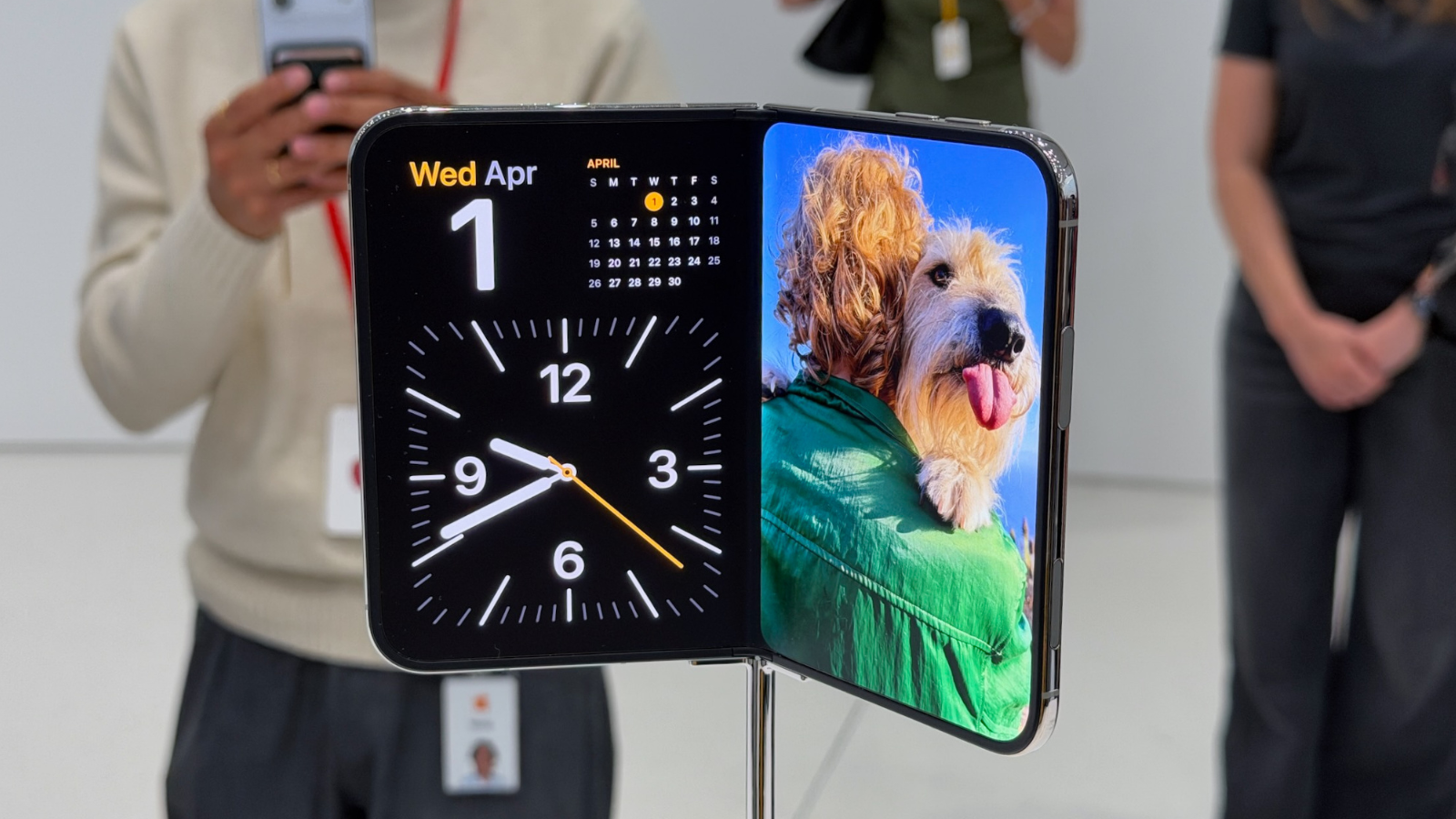
The first time an iPhone folded, the world leaned in. On a crisp morning in October, a line of curious customers gathered outside the Apple Store in a downtown mall, phones in hand, waiting for the new iPhone Duo to arrive. The device, a passport‑style foldable, would launch on Oct. 16 and carry a sticker price of $1,999the steepest ever for an Apple handset. Yet, behind the glossy exterior, a clever pricing strategy was unfolding, offering a surprisingly low entry point for those willing to trade in their older devices.
The iPhone Duo starts at $1,999 and can be pushed to $3,199 when you opt for the maximum 2 TB of storage. That price is equivalent to a 14‑inch MacBook Pro with an M5 Pro chip and the same storage. Apple’s marketing paints the Duo as a premium, futuristic experience, but the real intrigue lies in how it can be made affordable. The company’s pre‑order window opens on Oct. 16, and the first deals appear to be all about trade‑ins and carrier plans.
AT&T customers can slash the Duo’s price to $799a full $1,200 offby trading in an iPhone 14 Pro Max or newer and signing up for an AT&T Elite 2.0 or Premium 2.0 plan. The savings come in the form of 36 monthly bill credits that cover the full trade‑in value. If you meet the trade‑in threshold, the Duo costs only $799 before taxes and fees. This deal is the most aggressive, making the foldable cheaper than the standard iPhone 17.
T‑Mobile customers find a slightly higher price point. By trading in an older phone and enrolling in an Experience Beyond or Go5G Next plan, they receive 24 monthly bill credits that bring the Duo down to $999. This sits neatly between the iPhone 17 and the $999 iPhone Air, offering a middle ground for those who want the foldable but are wary of the top price.
Xfinity Mobile also offers a $999 deal, contingent on a qualifying trade‑in and a new Mobile Plus line. Verizon’s offer is different: a $1,999 price with no activation fees for new and loyalty customers, but without the trade‑in discount that the other carriers provide.
The trade‑in requirement is the linchpin of these offers. Apple and the carriers are essentially saying: “Bring us your old phone, and we’ll give you a new foldable for a fraction of its list price.” The strategy not only boosts sales of the Duo but also encourages customers to upgrade their devices, keeping the ecosystem fresh and profitable.
From a writer’s perspective, this pricing dance shows how Apple leverages its ecosystem to make high‑end products accessible. The trade‑in model turns a luxury item into a strategic investment for tech enthusiasts who want the latest form factor without paying the full price. It also underscores the importance of carrier partnerships in shaping consumer choices.
As pre‑orders roll out, the real test will be how many customers take advantage of these deals. If the numbers are high, Apple may continue to refine its pricing strategy for future foldable releases. For now, the iPhone Duo stands as evidence of how a premium device can become surprisingly affordable when you’re willing to trade in the past.


