News
The surveillance system that helped Nigeria curb piracy wants to fight banditry
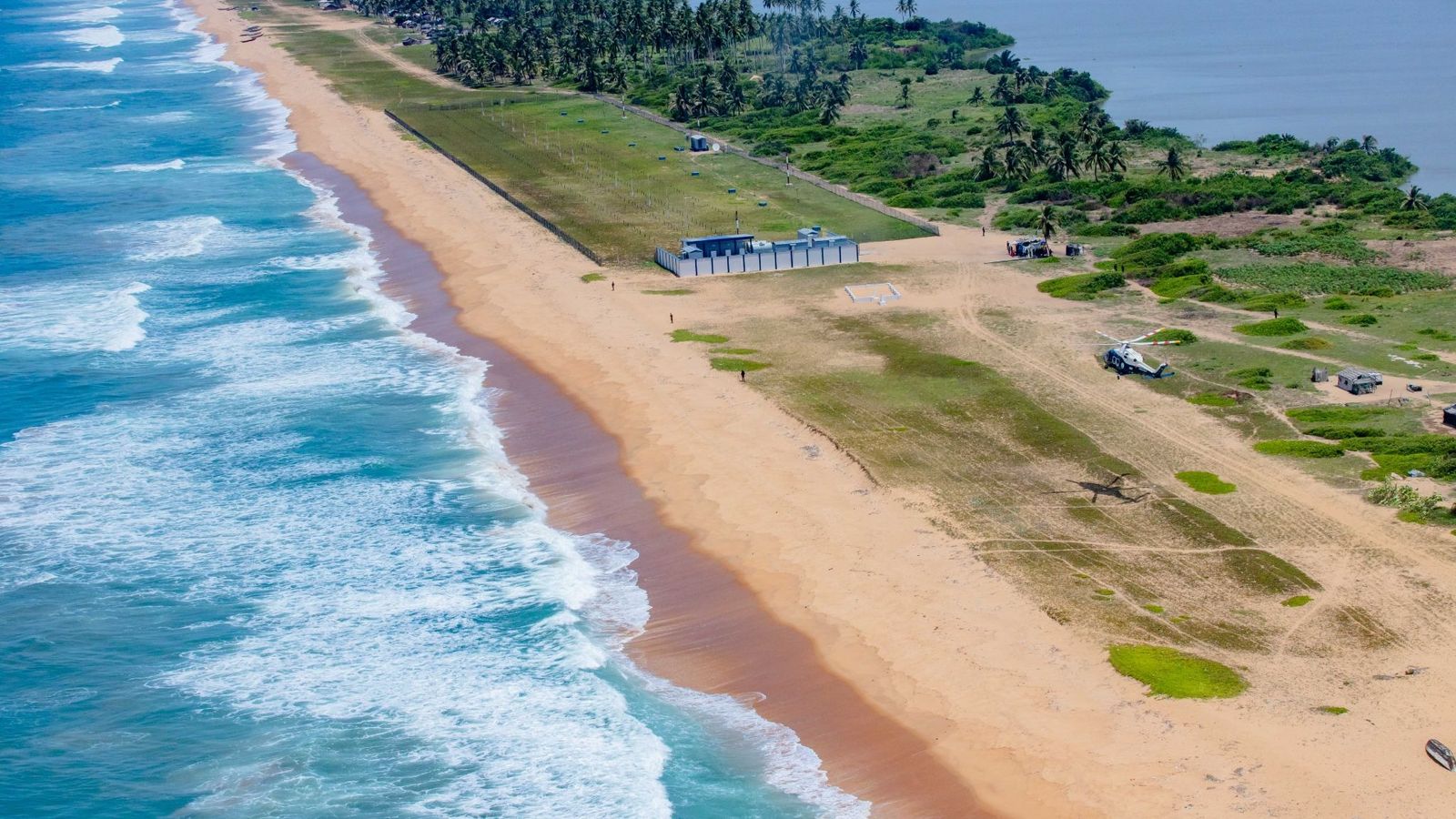
If you're Ido Shalev, the Chief Operating Officer of RTCom Defense, the company behind the Falcon Eye maritime surveillance system, you've spent the past decade watching it change the way Nigeria's Navy patrols its waters. For years, Nigerian naval ships were like sailors without a chart, navigating the vast expanse of the Gulf of Guinea with little more than a prayer to guide them. But Falcon Eye, which began deployment along Nigeria's coastline in 2015, has given them a clear picture of their waters. Now, Shalev is advocating for the system to tackle a different kind of security problem: banditry, kidnapping, and other forms of organised crime plaguing Nigeria's land.
The problem was stark: without a clear picture of what was happening across Nigeria's waters, the Navy often conducted blind patrols. Falcon Eye, which combines coastal radar, cameras, satellite feeds, automatic identification systems, and an over-the-horizon radar capable of detecting vessels hundreds of kilometres offshore, has changed that. The system's sensors stretch along Nigeria's coastline, with command centres in Lagos, Yenagoa, and Calabar feeding information into a main control centre at Naval Headquarters in Abuja. Its over-the-horizon radar can detect vessels as far as 200 nautical miles offshore, or about 370.4 kilometres, while electro-optical cameras and other sensors help operators identify targets. This has transformed the Navy's job, allowing them to focus on responding to unusual movements rather than searching large areas of ocean.
But Shalev is now pushing for what he describes as land domain awarenessthe ability to build a unified, real-time picture of activity, threats, and forces across the ground environment. This, he believes, is crucial for tackling the different kind of security problems plaguing Nigeria's land. For the past five years, he has been advocating for the expansion of Falcon Eye into Nigeria's backwaters, where the Niger Delta's maze of creeks and waterways provides a haven for bandits and kidnappers. Whether the system can be adapted to tackle the complex web of security threats on land, where the stakes are often higher and the challenges more daunting.
While Falcon Eye has been a turning point for maritime security, its application to land-based security is far from straightforward. The Niger Delta's complex geography, with its network of creeks and waterways, poses significant challenges for surveillance and intelligence gathering. Moreover, the nature of banditry and kidnapping on land is often more complex and nuanced than piracy at sea, requiring a more nuanced approach to security and intelligence gathering. While Falcon Eye's proponents may see it as a panacea for Nigeria's security problems, the reality is that the system's effectiveness will depend on a range of factors, including the quality of intelligence gathering, the effectiveness of command and control structures, and the willingness of security agencies to adapt to new technologies.
Despite the challenges, Shalev is undeterred. For him, the potential of Falcon Eye to tackle banditry and other forms of organised crime on land is a compelling one. With its ability to build a unified, real-time picture of activity, threats, and forces across the ground environment, the system could potentially provide a much-needed boost to Nigeria's security agencies. But, as with any new technology, the key will be in its effective implementation and adaptation to the complex security landscape on the ground.
In the end, it's hard to predict whether Falcon Eye will live up to its promise in tackling banditry and other forms of organised crime on land. But one thing is clear: if it does, it will be a turning point for Nigeria's security agencies. With its ability to provide a unified, real-time picture of activity, threats, and forces across the ground environment, the system could potentially provide a much-needed boost to Nigeria's security agencies. As Shalev says, "The next frontier is not the open ocean but the maze of creeks and waterways in the Niger Deltaand potentially the land itself." It's a bold claim, but one that has the potential to change the course of Nigeria's security history.