Sports
Watch Burna Boy, Shakira & the Ghetto Kids Perform 'Dai Dai' at the FIFA World Cup Final Halftime Show
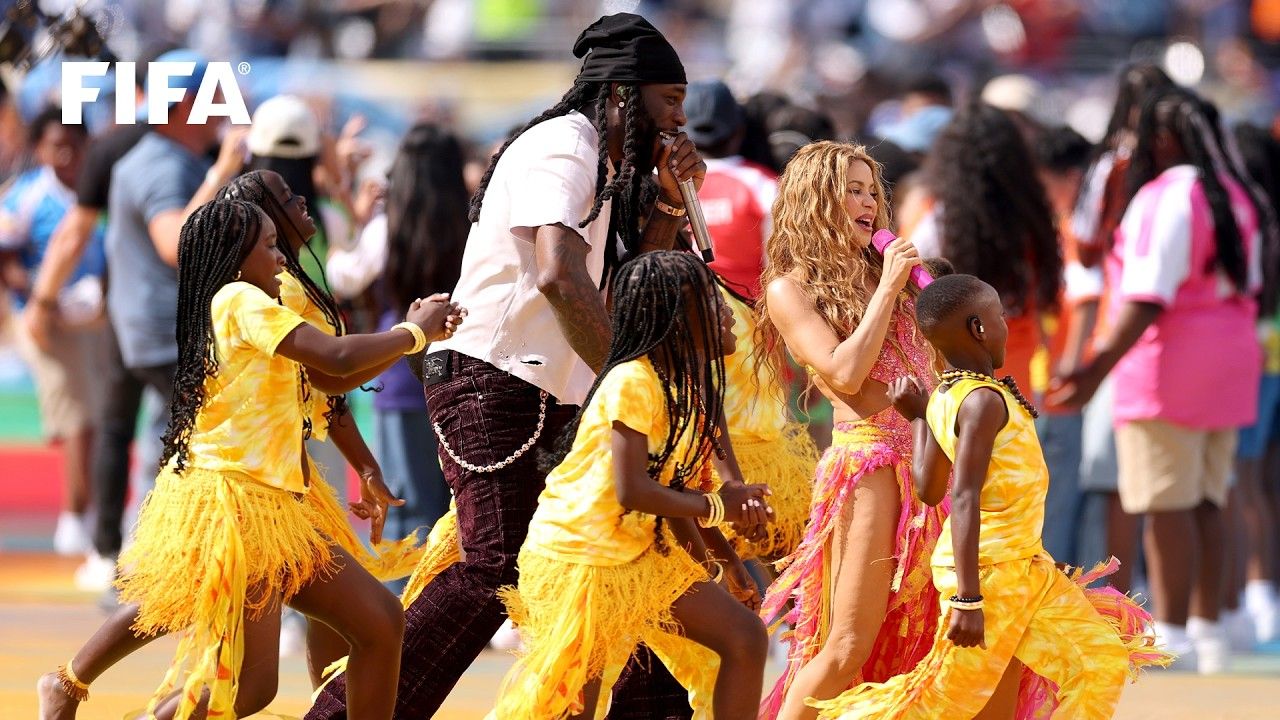
The real person at the centre of this story is Shakira, a global superstar who has been a household name for decades. For her, this performance at the FIFA World Cup final halftime show was a chance to showcase her unique blend of Latin rhythms and global appeal. But for Burna Boy, the Nigerian Afrobeats sensation, this was an opportunity to bring his genre to the world's biggest football stage. And for the Ghetto Kids, a Ugandan dance troupe, this was a chance to share their signature choreography with a global audience. What was at stake for them was the chance to make history and create a memorable performance that would be etched in the memories of millions.
What happened was that Shakira and Burna Boy performed the official anthem Dai Dai with the Ghetto Kids during the FIFA World Cup 2026 final halftime show at MetLife Stadium. This was their second time performing the song together, having debuted it at the opening ceremony in Mexico City on 11 June, but the final was a completely different occasion. The crowd at MetLife Stadium moved from the very first beat, and the millions watching around the world sang along to the catchy tune.
The numbers behind this performance are staggering. Dai Dai, released on 15 May 2026 through Sony Music Latin and Ace Entertainment, brings together Afrobeats and Latin rhythms into one of the most genuinely global anthems the World Cup has ever had. The title, borrowed from Italian, means come on, come on, and watching it performed live at the biggest football match on the planet, with tens of thousands of people singing along inside the stadium and hundreds of millions watching around the world, the title felt exactly right. The song's global appeal is evidence of the growing influence of Afrobeats and Latin music on the global stage.
The performance of Dai Dai at the FIFA World Cup final halftime show marks a significant milestone in the rise of Afrobeats and Latin rhythms in global music. For years, these genres have been gaining popularity, and this performance is evidence of their global appeal. The fusion of Afrobeats and Latin rhythms is a perfect example of the globalisation of music, where artists from different parts of the world come together to create something new and unique. This trend is set to continue, with more artists exploring the possibilities of fusion music.
The impact of this performance on African and Latin music will be significant. It will open up new opportunities for artists from these regions to collaborate with global artists and to reach a wider audience. It will also showcase the diversity and richness of African and Latin music, and inspire a new generation of artists to explore their cultural heritage. For Burna Boy, this performance will be a significant milestone in his career, and evidence of his ability to bring Afrobeats to the global stage.
Looking to the future, I predict that we will see more collaborations between African and Latin artists, and more fusion music that blends different genres and styles. This performance at the FIFA World Cup final halftime show is just the beginning, and it will pave the way for a new era of global music that is more diverse, more inclusive, and more exciting.
In conclusion, the performance of Dai Dai at the FIFA World Cup final halftime show was a historic moment that marked the beginning of a new era in global music. It showcased the global appeal of Afrobeats and Latin rhythms, and opened up new opportunities for African and Latin artists to collaborate with global artists and to reach a wider audience.
More stories you'll like

Sports
NFL London Game 2026: Where to Watch Houston Texans vs. Jacksonville Jaguars Live Online Free
Sports
How to watch the Champions League online for free
Sports