News
Watch Tobi Bakre & Onyinye Odokoro Tackle Money, Marriage & Masculinity in "Before We Fall Asleep"
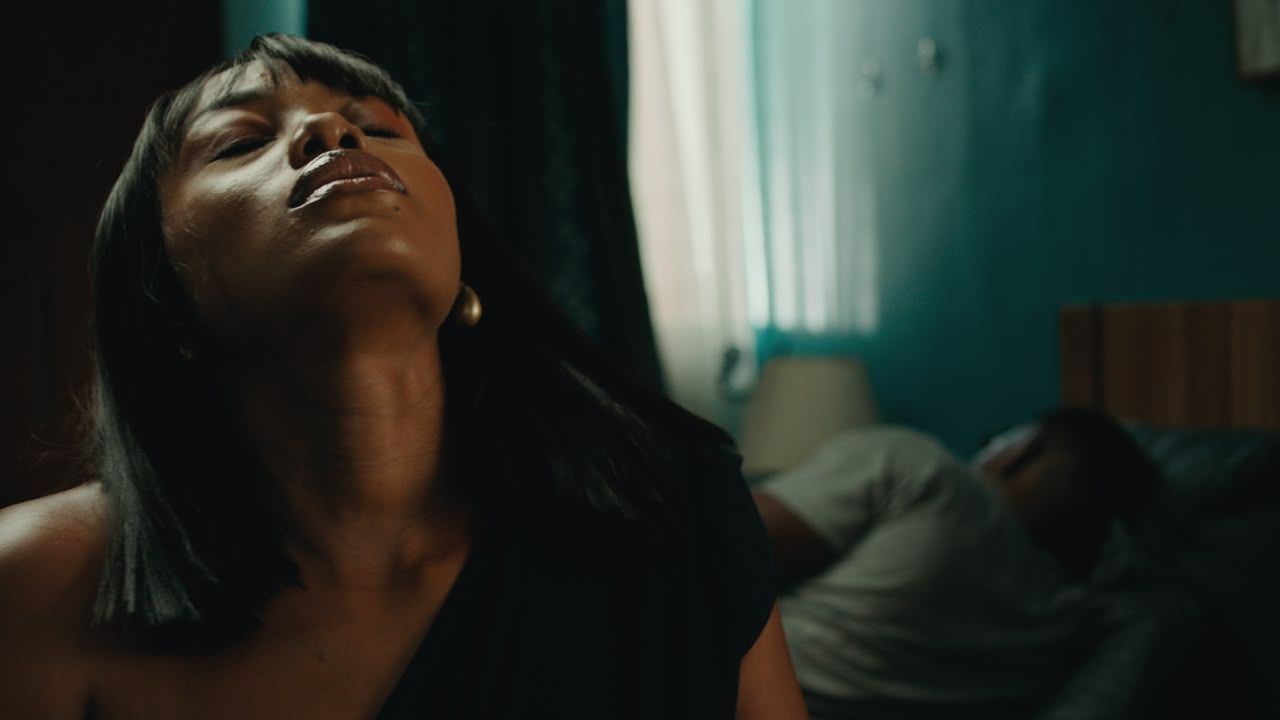
Tobi Bakre and Onyinye Odokoro's latest collaboration, "Before We Fall Asleep," is a poignant exploration of the unspoken rules that govern Nigerian masculinity. The film, directed by Kaelo Iyizoba, delves into the complexities of relationships, marriage, and financial commitments, challenging the traditional notion of the "man of the house." For Blessing Uzzi, the showrunner and writer, this film is a reflection of the societal expectations that often suffocate relationships. "Why is the man 'helping?' We are partners," she asks. "You're not helping me; I'm not helping you. We are doing what we're supposed to do."
The film's central theme revolves around Tola, a young father, and his partner Nazo, played by Tobi Bakre and Onyinye Odokoro respectively. Their relationship is put to the test as they navigate the challenges of co-parenting and financial commitments. Blessing Uzzi's intention is to create a nuanced portrayal of the couple, encouraging the audience to see them as human beings rather than archetypes. "You need to understand these two people," she says. "Whoever you feel for is left to you, but understand them. See them as humans." This approach allows the audience to empathize with the characters, making the film's exploration of masculinity all the more relatable.
The film's refusal to pick sides is a deliberate choice, making it a refreshing departure from the usual narratives that often rely on simplistic solutions. Kaelo Iyizoba's direction adds depth to the story, as he seeks to inspire reflection rather than provide answers. "This is a story about a couple who have expectations about what society expects their relationship to be," he says. "But they are also learning that what society expects won’t always work for them." This nuanced approach to storytelling is evidence of the complexity of human relationships, highlighting the need for open-ended conversations rather than black-and-white answers.
Onyinye Odokoro, who plays Nazo, draws attention to the film's nuance, stating that she was drawn to the role because of its complexity. "I naturally lean towards stories that explore complexity," she says. "It's not necessarily about right or wrong. It's open-ended, and it leaves room for the audience to talk." This openness to interpretation is a hallmark of the film, inviting the audience to engage with the characters and their struggles in a meaningful way.
As I reflect on "Before We Fall Asleep," I predict that this film will spark important conversations about Nigerian masculinity and the expectations that come with it. Blessing Uzzi's intention to create a nuanced portrayal of the couple will resonate with audiences, encouraging them to see relationships as complex and multifaceted. The film's refusal to pick sides will also make it a refreshing departure from the usual narratives that often rely on simplistic solutions. As the conversation around masculinity continues to evolve, "Before We Fall Asleep" will undoubtedly be a valuable addition to the discussion.
The film's exploration of the unspoken rules that govern Nigerian masculinity will be a catalyst for change, encouraging audiences to rethink their assumptions about relationships and marriage. As Tola and Nazo navigate their relationship, they challenge the traditional notion of the "man of the house," refusing to be bound by societal expectations. This film will be a landmark moment in the conversation around Nigerian masculinity, inspiring a new generation of thinkers to reevaluate the rules that have governed relationships for far too long.