News
'Well-known' celebrity sues to keep identity secret in sexual assault case
The man behind the headline is not a Hollywood star, but a well‑known individual whose name has been scrubbed from every article.
The man behind the headline is not a Hollywood star, but a well‑known individual whose name has been scrubbed from every article. He is fighting to keep his identity hidden because he claims that the press would drive him to suicide. The stakes are not about celebrity gossip; they are about the fragile mental health of a person who has already attempted suicide twice under the weight of public scrutiny.
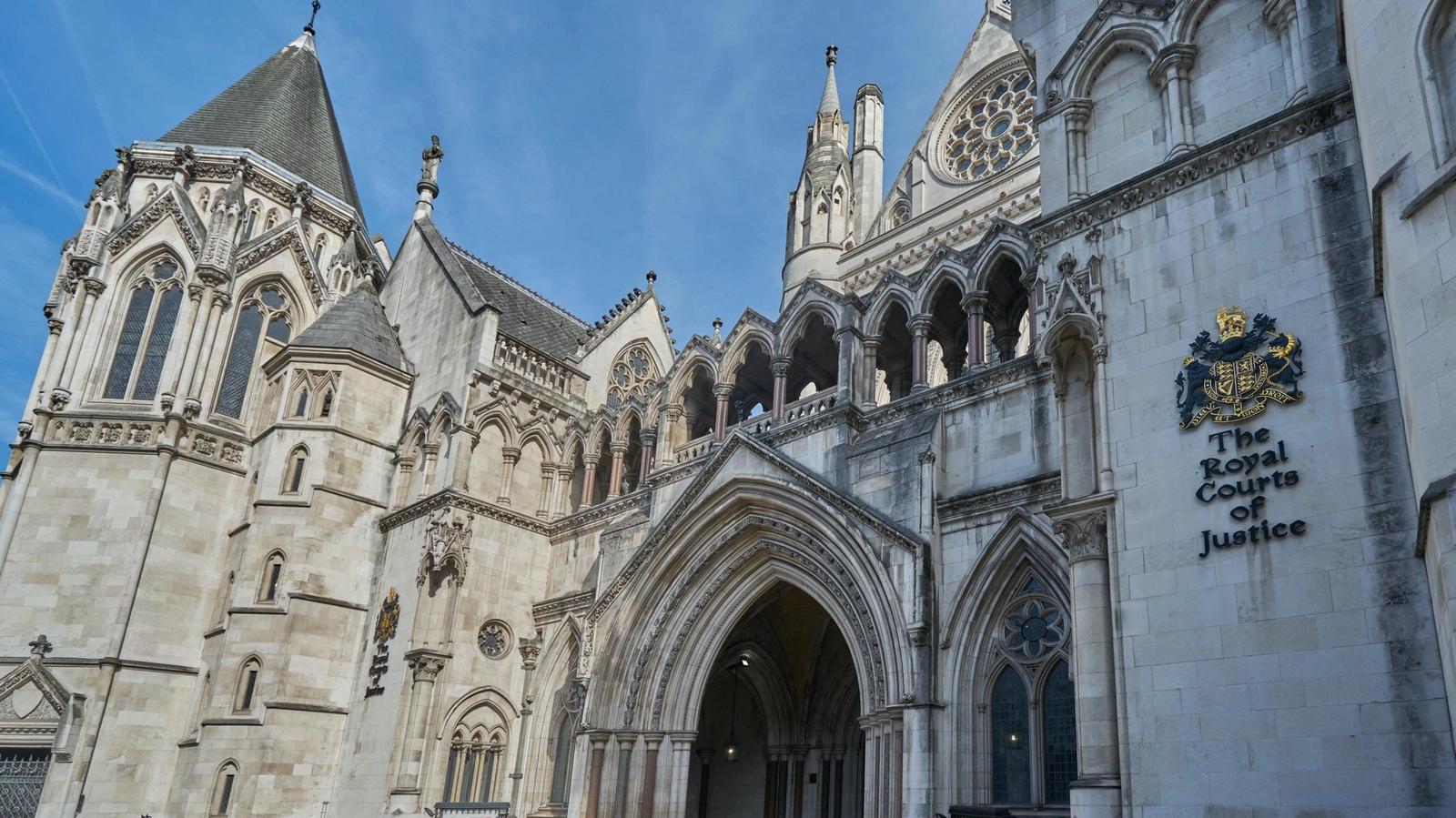
The High Court is being asked to grant a permanent injunction that would bar ITN and The Guardian from publishing any details of the alleged sexual offence. The claim hinges on the European Convention on Human Rights, specifically Articles 2 and 3, which protect the right to life and prohibit degrading treatment. The man’s lawyers argue that exposure would “almost certainly” lead to self‑harm, citing medical evidence that he has already attempted suicide twice. The court’s decision, set for later this month, will test whether the press can be restrained when a victim’s mental health is at risk.
Anonymity is a rare privilege in the UK media landscape, usually reserved for whistleblowers or protected witnesses. Granting it to a celebrity‑level figure is unprecedented. The court must weigh the public’s right to know against the individual’s right to privacy and mental well‑being. If the injunction is granted, it could set a precedent that allows public figures to shield themselves from scrutiny by claiming mental health vulnerabilities. That would undermine the very fabric of investigative journalism that holds power to account.
The man’s claim that publication would “lead to him attempting suicide” is not hyperbole. He has already made two attempts, and his legal team insists that the media’s relentless pursuit is a direct catalyst. The Guardian and ITN argue that mitigation measuressuch as careful wording and contextual safeguardscould protect him while still informing the public. The debate boils down to whether the press can responsibly report on sexual assault allegations without causing irreversible harm to the accused.
Given the UK’s strong tradition of press freedom and the lack of any previous case where a celebrity was granted anonymity on mental‑health grounds, I predict that the High Court will deny the injunction. The court is more likely to require the journalists to adopt protective measures rather than halt publication entirely. This outcome would reaffirm the principle that public interest outweighs individual privacy in cases involving serious allegations.
This case forces us to confront a growing dilemma: how do we balance the right to a fair trial with the need to protect vulnerable individuals from the psychological toll of public exposure? The media has a duty to report, but it also bears responsibility for the well‑being of those it covers. If the court sides with the press, it will send a clear message that anonymity cannot be used as a shield against scrutiny, even for those battling mental illness.
The outcome of this trial will reverberate beyond the courtroom. It will shape how journalists approach sensitive stories, how legal teams defend their clients, and how society views the intersection of mental health and public accountability. The next few weeks will decide whether the press can continue to wield its power without becoming a weapon against those it seeks to expose.


