News
What You Need to Watch Before 'VisionQuest'
When the lights dim on the Disney+ screen, Paul Bettany leans back, his eyes flickering over a cascade of memories that have been stitched back into his mind by the Hex Vision.
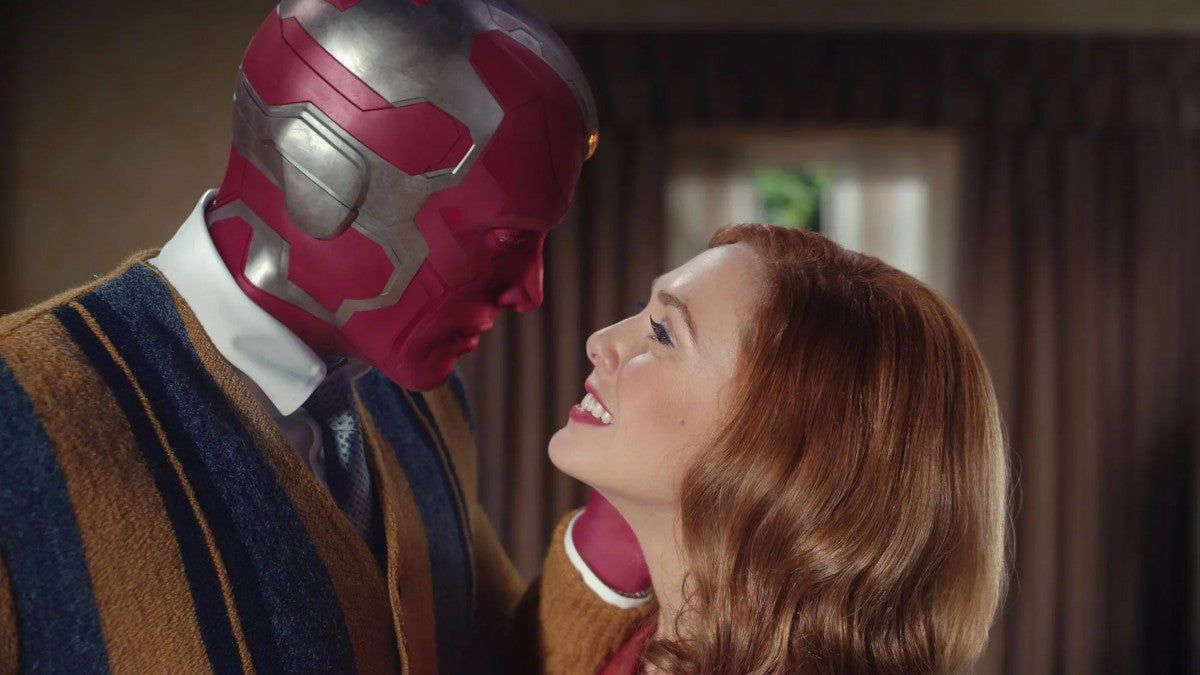
When the lights dim on the Disney+ screen, Paul Bettany leans back, his eyes flickering over a cascade of memories that have been stitched back into his mind by the Hex Vision. He is not the same Vision that the world once knew; he is a version that only came into being in the final episode of WandaVision. The man on screen feels the weight of his own fragmented past, a weight that only the viewer can truly feel if they have seen the threads that led him here.
The story of WandaVision began in 2021, a period when the MCU was experimenting with sitcom tropes and emotional depth. Its finale introduced a new incarnation of Vision, a character who would later become the centerpiece of VisionQuest. Watching the finale is essential because it is the point where Vision’s identity is reshaped, and the series sets up the very questions that VisionQuest will probe. Without that context, the viewer would miss the subtle nods to the sitcom‑style universe and the emotional stakes that linger in the new series.
Ruaridh Mollica first appeared as a child named Tommy in WandaVision, but his true origins are traced back to Agatha All Along. That 2023 Disney+ series explains how Tommy came into existence, a detail that reverberates in VisionQuest. The narrative of Agatha All Along is not merely a subplot; it is the backbone that supports Tommy’s role in the new trilogy. Seeing how the character was forged adds depth to the emotional journey he shares with Vision in the latest show.
While the MCU is known for its interconnectedness, Avengers: Age of Ultron remains a pivotal film for understanding VisionQuest. In that 2015 movie, James Spader introduced Ultron, an AI that would later surface in the new series. The film also introduced F.R.I.D.A.Y., another artificial intelligence that parallels the one that appears in VisionQuest. The character arcs and thematic threads from Ultron’s original story ripple through the new series, informing both character motivations and plot twists.
Sony Pictures Spider-Man: Far From Home may seem peripheral, but it offers a lens into the AI character Emily Hampshire plays, E.D.I.T.H. This AI, though not central to VisionQuest, mirrors the thematic exploration of artificial consciousness that runs through the series. Understanding E.D.I.T.H.’s relationship to Tony Stark and Peter Parker enriches the viewer’s appreciation of the AI dynamics that are a hallmark of VisionQuest.
Although the 2018 film Avengers: Infinity War can be approached with some leeway, it provides background on Wanda and Vision’s relationship. The emotional foundation laid in that movie informs the love story that surfaces in VisionQuest. The stakes of that relationship are amplified by the multiversal chaos introduced in Infinity War, making the new series a continuation rather than a standalone.
My own first time watching WandaVision felt like stepping into a living, breathing sitcom set. The blend of humor and heartbreak left me with questions that lingered long after the credits. That emotional residue is what VisionQuest seeks to explore: the idea that identity is not static but a collage of experiences. By watching the preceding series, you allow yourself to trace those collage pieces and see how they fit together.
- WandaVision finale introduces new Vision.
- Agatha All Along explains Tommy’s origin.
- Avengers: Age of Ultron sets up Ultron and AI themes.
- Far From Home offers peripheral AI context.
- Infinity War provides emotional groundwork.
As VisionQuest unfolds, the audience will realize that each episode is a thread in a larger tapestry. By starting with the recommended series, you unlock the full depth of that tapestry, turning the viewing experience into a richer, more coherent narrative journey.


