News
Why an Ethiopian nurse swapped her scrubs for software
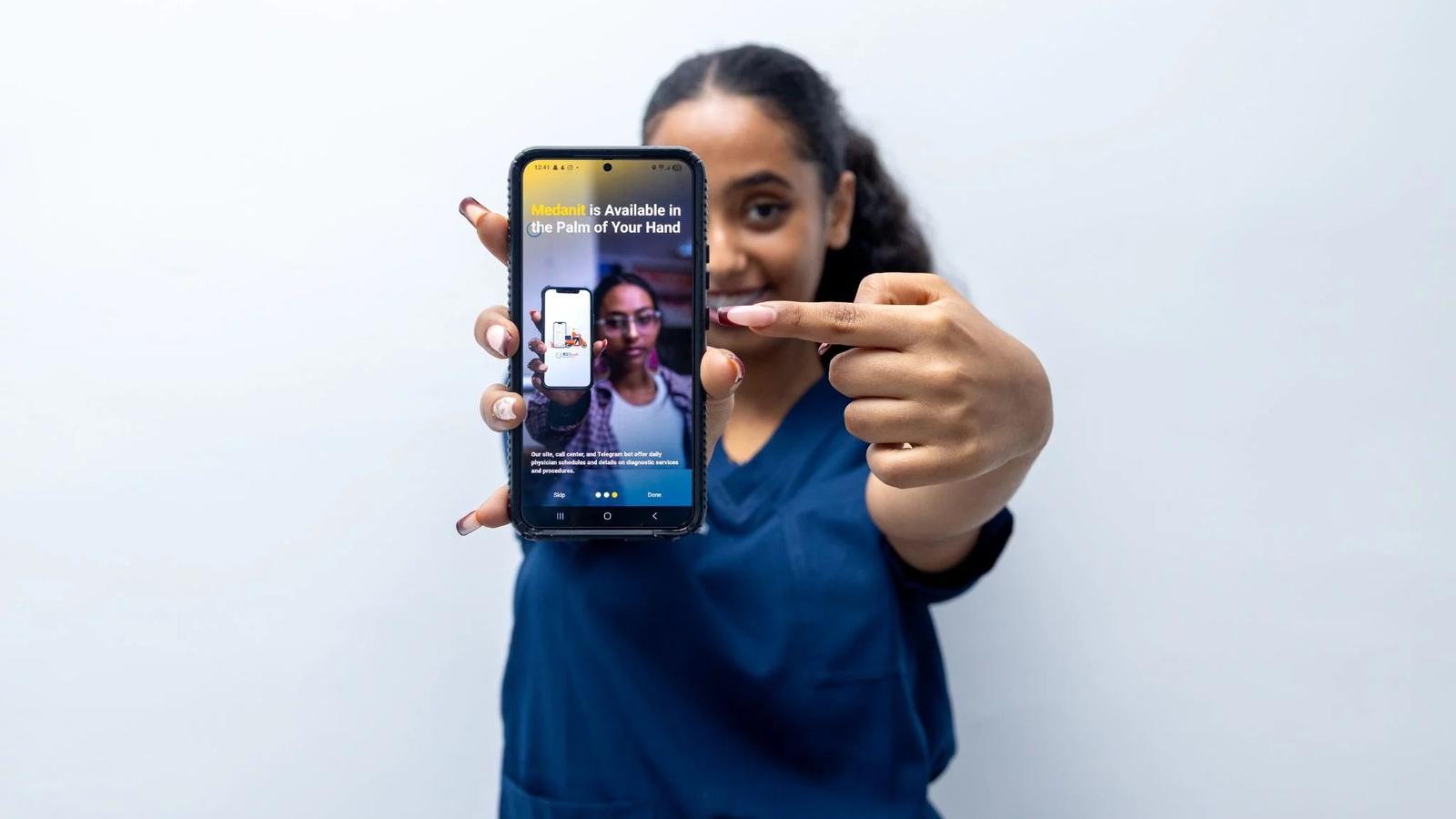
In a dimly lit emergency ward in Addis Ababa, a nurse in her late thirtiesher name in the paper was Beamlak Alemayehuwatched a patient’s pulse falter as the pharmacy door clanged open and closed three times in the span of a single hour. The patient, a young mother, had been sent from one pharmacy to another, each stop adding a minute that could mean the difference between life and death. The nurse’s hands, accustomed to the rhythm of charting and medication, felt the weight of a system that had no way to keep track of what was on hand, where it was, or when it would be available.
The emergency department where Alemayehu worked was a microcosm of a larger problem. In 2020, patients could spend three to four hours moving between pharmacies just to locate prescribed medication. Some waited days to find the right specialist, and others, tragically, did not survive the delay. The nurse saw doctors pause, waiting for test results that were delayed by the same fragmented logistics. Each pause was a reminder that in healthcare, time is not a luxury; it is a currency that can be spent or saved.
The incident that night, the one where a mother’s heart stopped while waiting for an antidote, pushed Alemayehu to ask a hard question: why was the system so fragmented? She realized that the answer lay not in hoping for infrastructure to arrive, but in creating it herself. In 2022, she founded Medanit, a digital healthcare platform aimed at providing a clean directory of available doctors, medications, and diagnostic services. The platform was conceived as a simple solution: a place where a nurse could look up a drug’s availability and a doctor could find a specialist’s schedule in real time.
When Alemayehu approached clinics and pharmacies, she was met with a wall of paper ledgers. Between 80% and 90% of them still operated entirely on manual records, offering no digital interface to plug into. Faced with this reality, she could not simply act as a consumer‑facing middleman. Instead, she took on the heavy lifting: writing hospital management software, building electronic medical records (EMR), setting up pharmacy delivery logistics, and launching a dedicated call centre. The call centre was a thoughtful addition, ensuring that rural farmers and mothers without smartphones were not left behind. This holistic approach turned Medanit from a directory into an ecosystem that addressed the entire patient journey.
Today, Medanit has onboarded over 520 doctors and logged 1.2 million platform visitors. The platform has also secured backing from the Bayer Foundation, a sign that its impact is being recognized beyond Ethiopian borders. As it prepares to expand into Rwanda and Zambia, Medanit’s growth reflects a broader trend in African health tech: local innovators stepping in to fill gaps that larger systems have missed.
Seeing a nurse transform frustration into technology is a reminder that the most powerful innovators are often those who have lived the problem firsthand. Alemayehu’s journey illustrates that solutions are not always about big budgets or foreign investment; sometimes they start in a cramped ward and grow into a platform that changes an entire healthcare landscape.
Medanit’s next chapters will likely involve deeper integration with national health data systems and broader adoption of its EMR across public hospitals. If the platform can maintain its user‑centric design while scaling, it could set a new standard for how healthcare delivery is coordinated in resource‑constrained settings. The next milestonelaunching in Rwanda and Zambiawill test whether the model can adapt to different health system structures while keeping the core principle intact: every minute saved is a life preserved.


